
Global Outcry as Taliban’s New Criminal Code Legitimizes Slavery and Deepens Gender Apartheid.
The human rights situation in Afghanistan has taken a critical turn with the issuance of a new
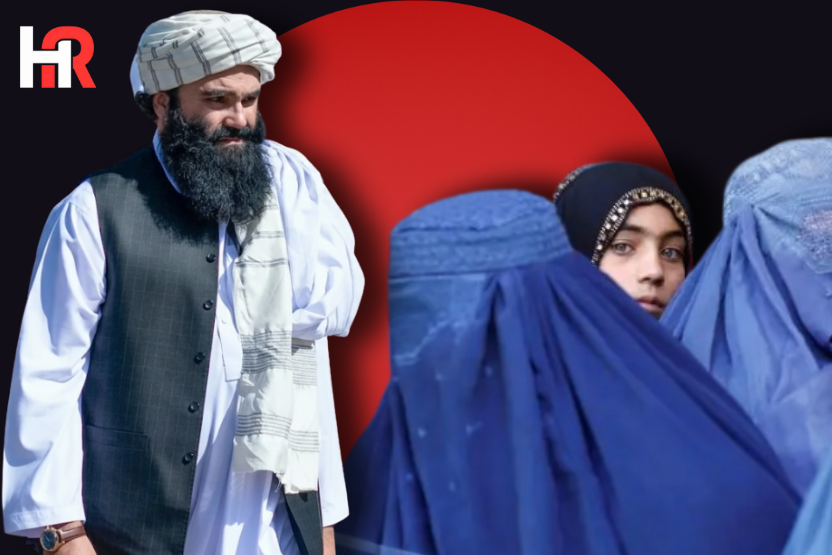
The Taliban's new criminal code introduces a hierarchical class system, including a legal category for "slaves".
The human rights situation in Afghanistan has taken a critical turn with the issuance of a new Taliban criminal code, titled “Criminal Procedure Code for Courts”. This 119-article document, signed by supreme leader Hibatullah Akhundzada, has drawn sharp condemnation from international organizations for referencing “slave” (ghulam) as a legal class. Rights groups warn that this move effectively legalizes slavery-like status and institutionalizes deep discrimination within the country’s judicial framework.
Alongside these legal changes, the country remains the only one in the world where secondary and higher education is strictly forbidden for girls and women. UN agencies, including UNESCO and UNICEF, report that over 2.2 million adolescent girls are currently denied schooling. In several controversial instances, the Taliban have attempted to justify these bans through selective interpretations of Sharia, further alienating Afghanistan from global standards.
Key Implications of the New Code:
- Social Hierarchy: Article 9 divides society into four unequal classes, placing religious scholars at the top while creating a legal distinction between “free” people and “slaves”.
- Criminalization of Dissent: Criticizing Taliban laws or leaders is now a formal crime, with dissenters facing lashings and imprisonment.
- Religious Discrimination: The code labels non-Hanafi Muslims and other religious minorities as “innovators” or “heretics,” heightening the risk of arbitrary punishment for Shias, Sikhs, and Hindus.
- Erosion of Fair Trials: The document lacks basic protections such as the right to a defense lawyer, the right to remain silent, or independent oversight.
UN Special Rapporteur Richard Bennett has warned that these laws violate fundamental human dignity and international treaties, marking a significant step backward for social justice in the region.
About The Author