Microsoft AI CEO Warns White-Collar Tasks May Be Fully Automated by Mid-2027.
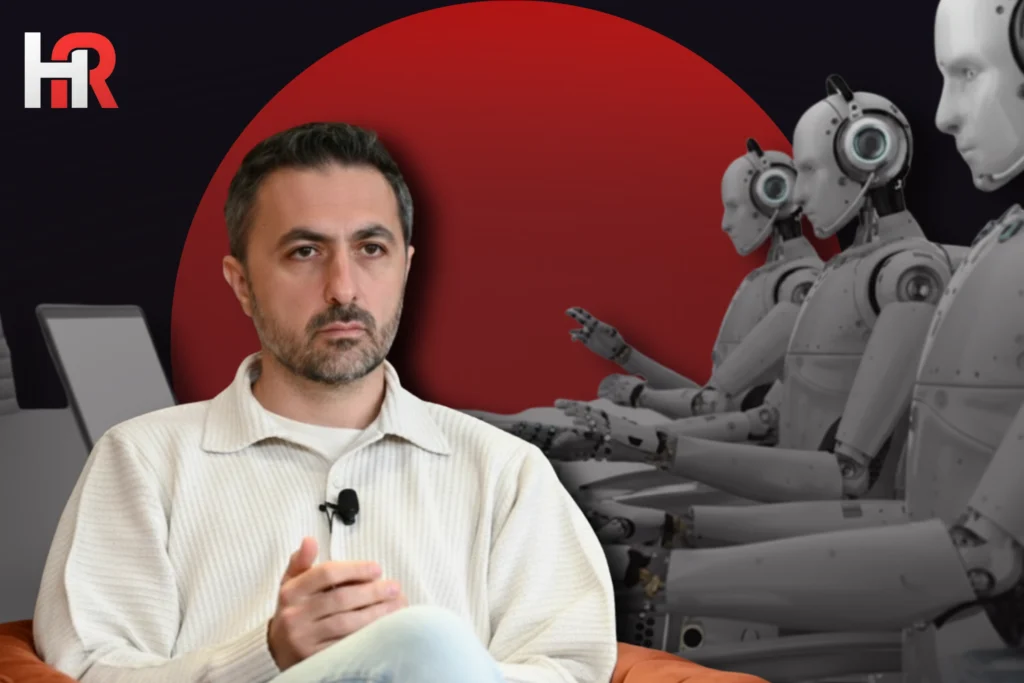
Mustafa Suleyman white-collar AI automation
In a significant and alarming forecast, Mustafa Suleyman, CEO of Microsoft AI, has warned that the era of traditional white-collar work faces an imminent and profound transformation. Speaking in an interview with the Financial Times on February 12, 2026, Suleyman stated that artificial intelligence is rapidly achieving human-level performance, with the potential to automate the majority of computer-based professional tasks by mid-2027.
Key Points from Suleyman’s Prediction
- Impacted Professions: Suleyman noted that office-based roles—including lawyers, accountants, project managers, and marketers—could see most of their routine computer tasks fully automated within the next 12 to 18 months.
- Shift in Software Engineering: He pointed to software engineering as a primary example of this shift, stating that developers are already using AI-assisted coding for the “vast majority” of their work, moving their human roles toward strategic architecture and debugging.
- Professional-Grade AGI: Microsoft is focusing on developing “professional-grade AGI” (Artificial General Intelligence), designed to handle everyday knowledge-worker tasks with high reliability and human-level competence.
- Autonomous AI Agents: Within the next two to three years, Suleyman expects “AI agents” to independently manage substantial portions of institutional workflows, moving from simple assistance to autonomous multi-step processes.
- “Economic Earthquake”: U.S. Senator Bernie Sanders has previously warned of such a shift, referring to rapid AI-driven job displacement as a potential “economic earthquake” that could upend the economy faster than the world is prepared for.
- Expert Echoes: Anthropic CEO Dario Amodei recently mirrored these concerns, claiming that software engineering as a profession could become obsolete within 12 months due to the sheer pace of AI progress.
Microsoft’s Strategic Shift
Suleyman also signaled a pivot toward “true AI self-sufficiency” for Microsoft. While the company retains its partnership with OpenAI, it is increasingly focusing on building its own foundation models and infrastructure to ensure long-term resilience and control over these advanced systems.
About The Author