
China’s Strategic Masterstroke: Rewiring Global Trade Amid Trump’s Tariff War.
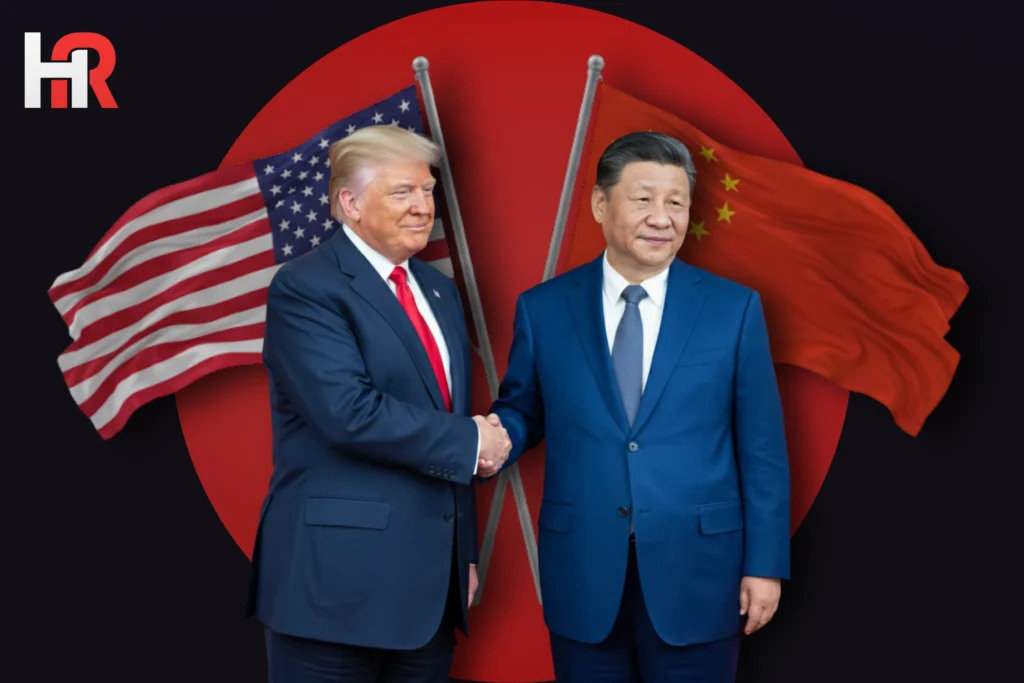
China global trade strategy 2026
In a significant strategic shift, China is positioning itself to capitalize on the trade disruptions caused by the Trump administration’s protectionist policies. By fast-tracking new trade deals and positioning itself as a champion of multilateralism, Beijing aims to insulate its $19 trillion economy from future U.S. leverage while filling the vacuum left by American withdrawal from global agreements.
The “Rewiring” of Global Trade
Chinese policymakers view current U.S. tariff pressures not just as a challenge, but as a strategic opportunity to embed China more deeply within alternative economic blocs.
- Accelerated Diplomacy: Beijing is fast-tracking roughly 20 free-trade pacts with major entities, including the European Union (EU), the Gulf Cooperation Council (GCC), and various Asia-Pacific nations.
- Africa Outreach: Starting May 1, 2026, China will implement zero-tariff treatment for 53 African countries with which it has diplomatic ties. This move expands duty-free access to almost the entire continent, aiming to rebalance trade flows and strengthen China’s influence in the Global South.
- Technological Integration: To facilitate smoother trade, China is deploying AI-driven customs tools and upgrading mechanisms like the “green channel” for faster approval of agricultural and food products.
Strategic Objectives and Risks
- Market Diversification: China has already shifted focus toward ASEAN (its largest trading partner) and BRICS nations to mitigate the loss of the U.S. market, which some describe as an “extinction-level event” for bilateral trade.
- Industrial Dominance: Beijing’s 15th Five-Year Plan (2026–2030) prioritizes “industrial upgrading,” using AI and green technologies like EVs and batteries to maintain an unchallenged lead in global manufacturing.
- Domestic Concerns: Despite these global gains, analysts warn of persistent issues such as overcapacity, domestic overproduction, and the need for structural reforms to boost weak internal demand.
Disclaimer: This post is for informational and educational purposes based on recent international trade reports and analysis. Economic shifts, trade pacts, and geopolitical strategies are subject to change and official government confirmations. Please refer to global economic forums and official trade ministries for detailed data and updates.
About The Author