Pakistan to Link Electricity and Gas Bills to Household Income in Massive Energy Reform.
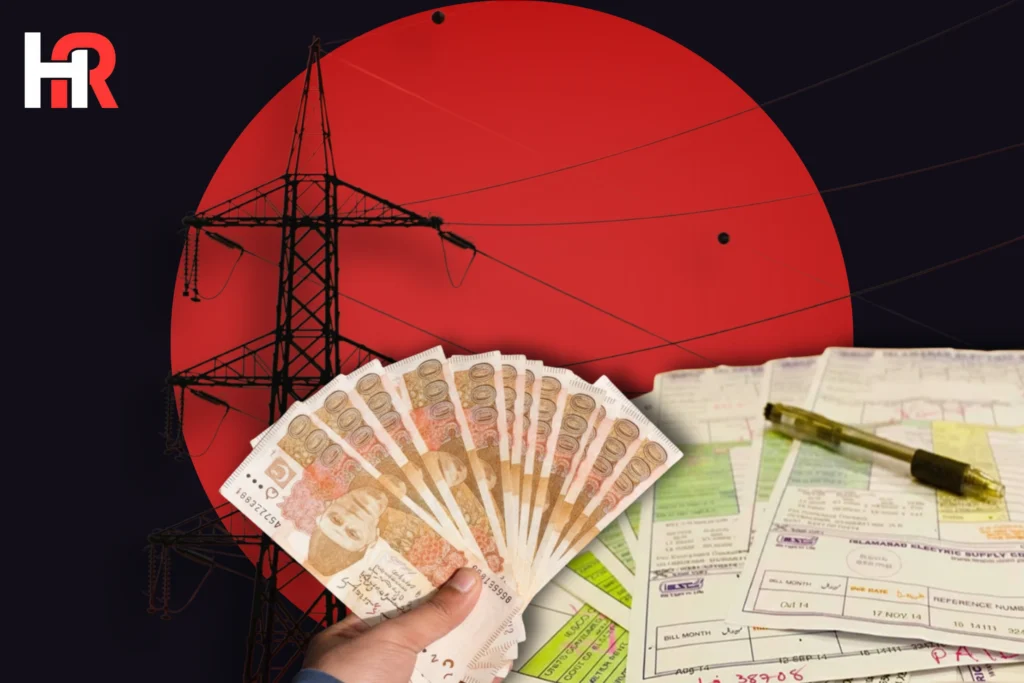
Pakistan income-based electricity gas bills
In a major structural shift, the federal government of Pakistan is preparing to overhaul its energy pricing by linking electricity and gas tariffs directly to household income levels rather than traditional consumption slabs. Reported on February 20, 2026, this proposed reform aims to ensure that financial support is strictly targeted toward those in need while affluent households pay rates closer to the actual cost of energy.
Key Features of the Proposed Reform
- Targeted Subsidies: The current usage-based slab system would be replaced by a model where eligibility for subsidies is determined by household earnings.
- Data Integration: The government plans to sync utility billing with existing national databases, such as tax records and the Benazir Income Support Programme (BISP), to accurately verify income levels and prevent subsidy misuse.
- Ending Cross-Subsidies: The move is designed to phase out “cross-subsidies,” where high-income consumers or industries were previously protected by rates meant for lower-income groups.
- Sector Efficiency: By aligning tariffs with market values for higher earners, the reform seeks to reduce circular debt—which recently hit Rs 3.283 trillion in the gas sector alone—and improve the financial stability of utility companies.
The IMF and Economic Context
This reform is a critical component of Pakistan’s commitments under the International Monetary Fund’s (IMF) $7 billion Extended Fund Facility (EFF):
- Protection of Vulnerable Groups: The IMF has emphasized that while tariff revisions are necessary for macroeconomic stability, the burden must not fall on middle- or lower-income households.
- Industrial Relief: Parallel to this, the government has already notified a reduction in industrial electricity tariffs by up to Rs 4.58 per unit to boost export competitiveness, shifting the resulting cost burden toward residential fixed charges.
- Upcoming Review: A formal IMF review mission is scheduled for February 25, 2026, to assess the progress of these energy sector restructures and tax reforms.
Disclaimer: This post is for informational and public awareness purposes based on recent reports regarding energy sector reforms. The proposed income-based billing model is currently in the preparatory stage and subject to official cabinet approval and data verification processes. Please refer to the Ministry of Energy for official policy updates and implementation timelines.
About The Author