
Trump Strikes Back: 10% Global Tariff Signed Hours After Supreme Court Defeat.
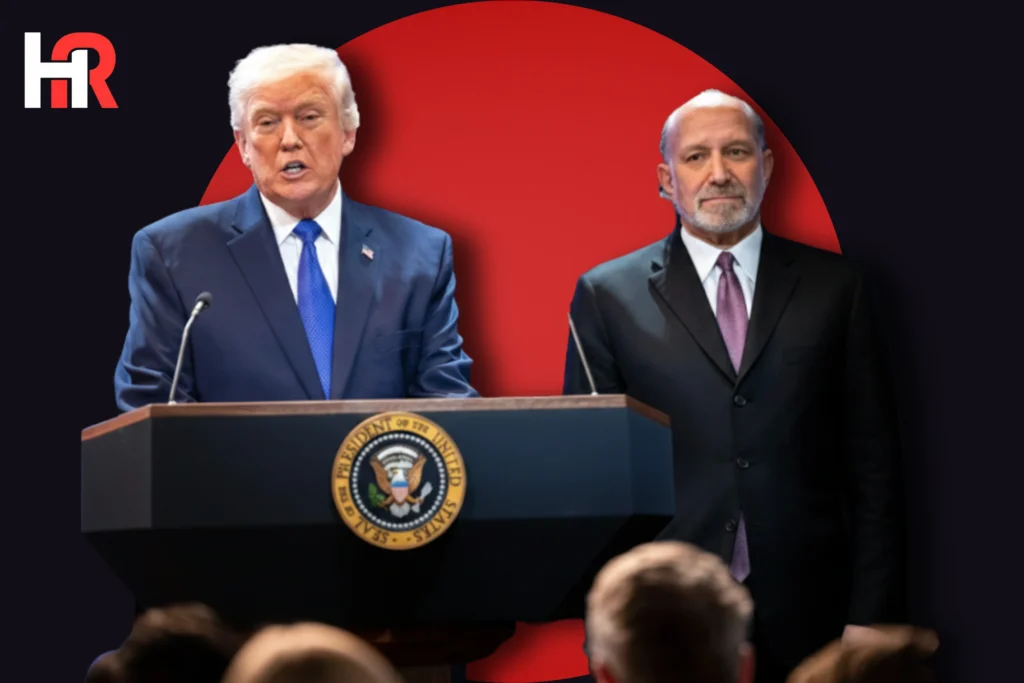
Trump 10 percent global tariff 2026
In a swift response to a major judicial defeat, President Donald Trump signed a proclamation on February 20, 2026, imposing a temporary 10% global tariff on almost all imports. The move came just hours after the U.S. Supreme Court, in a 6-3 decision, ruled that the administration had exceeded its authority by using emergency laws to bypass Congress in setting broad trade levies.
The New Legal Framework
To sustain his “America First” trade agenda, the President pivoted to a different statutory authority:
- Section 122 Invoked: The new duties are grounded in Section 122 of the Trade Act of 1974, which allows for temporary import surcharges to address “fundamental international payments problems,” specifically balance-of-payments deficits.
- Effective Date and Duration: The 10% tariff takes effect at 12:01 a.m. EST on February 24, 2026. Under the law, these surcharges are limited to 150 days (expiring in late July 2026) unless extended by an Act of Congress.
- Impact on Revenue: Treasury Secretary Scott Bessent indicated that these and other planned measures aim to keep overall tariff revenue stable throughout 2026 despite the court’s invalidation of previous IEEPA-based duties.
Exemptions and Strategic Carve-outs
The administration has included several “essential” exemptions to prevent supply chain disruptions and mitigate costs for American consumers:
- Pharmaceuticals: Medicines and pharmaceutical ingredients are exempt.
- Agriculture: Specific products, including beef, tomatoes, and oranges, will not face the new duty.
- Critical Minerals & Energy: Metals used in currency, energy products, and natural resources or fertilizers not produced sufficiently in the U.S. are excluded.
- Trade Agreements: Goods entering under the USMCA (Canada and Mexico) and certain textiles from the Dominican Republic-Central America Free Trade Agreement remain exempt.
- Technology: Certain electronics, passenger vehicles, and aerospace products are also listed for exclusion.
Supreme Court Ruling Context
The 6-3 verdict in Learning Resources, Inc. v. Trump was led by Chief Justice John Roberts, who was joined by the court’s three liberal justices and Trump appointees Neil Gorsuch and Amy Coney Barrett. The majority held that the International Emergency Economic Powers Act (IEEPA) of 1977 did not grant the president the “extraordinary power” to unilaterally impose taxes, which is a core constitutional authority of Congress.
Disclaimer: This post is for informational purposes based on recent legal and executive developments in U.S. trade policy. The implementation of these tariffs and potential legal challenges are ongoing. Businesses and importers should consult official trade advisories or legal counsel for specific impacts on their operations.
About The Author