
U.S. Tech & Aerospace Face Rare Earth Crisis Ahead of Trump-Xi Summit.
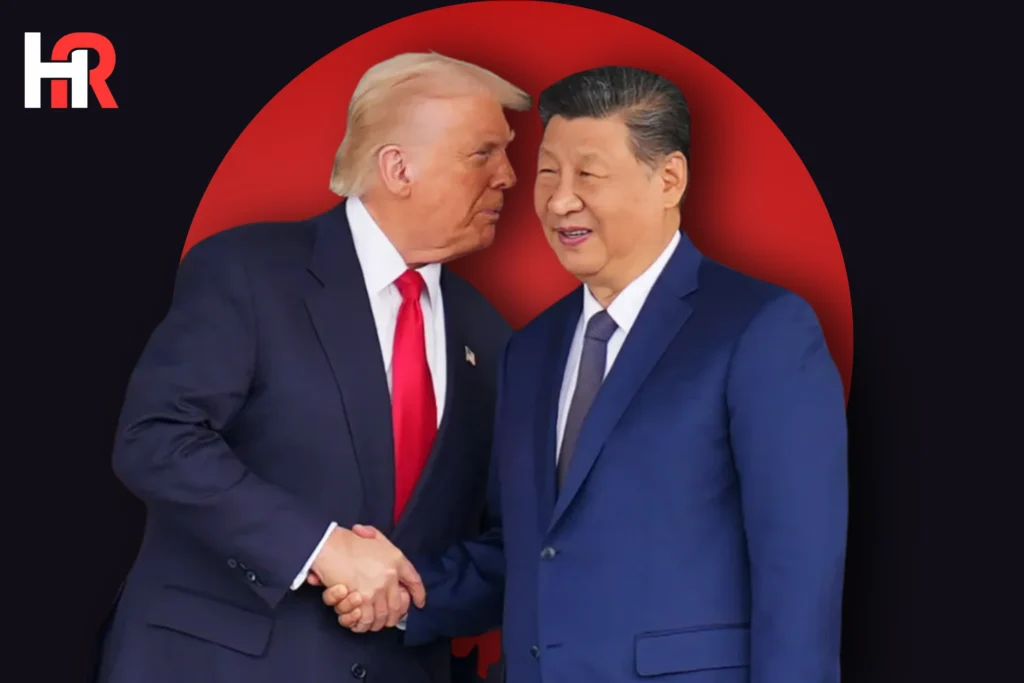
U.S. rare earth supply chain crisis
The U.S. aerospace and semiconductor industries are facing a critical supply chain crisis as shortages of essential rare earth elements intensify. Despite a brief trade detente in October 2025, supplies of Yttrium and Scandium—elements almost entirely produced in China—remain heavily restricted, posing a direct threat to high-tech manufacturing.
Key Highlights of the Supply Squeeze
- Aerospace at Risk: Yttrium, vital for jet engine coatings, has seen prices surge 60% since November 2025 and is now 69 times higher than last year.
- Production Paused: Major North American aerospace suppliers have temporarily halted production, rationing limited supplies to prioritize engine giants like Boeing and Airbus.
- Chipmaking Crisis: Scandium shortages are threatening 5G chip production and fuel cell manufacturing, with U.S. domestic production currently at zero.
- Limited Stockpiles: Tech firms warn that existing stockpiles are estimated to last only a few months as China continues to delay new export licenses.
- Strategic Targeting: U.S. officials believe the semiconductor sector is being specifically targeted, noting that other nations, such as Germany, have seen partial import rebounds.
- Upcoming Summit: This crisis sets a tense backdrop for the March 2026 Trump-Xi summit in Beijing, where trade compliance and mineral security will be top priorities.
Strategic Response
While the White House is pushing a $12 billion minerals stockpile initiative, the immediate and heavy reliance on Chinese rare earths highlights a significant vulnerability in U.S. defense and technology supply chains.
Disclaimer: This post is for informational purposes based on the Reuters report regarding the U.S.-China trade dynamics and rare earth supply chains. Future market prices and supply availability are subject to the outcomes of diplomatic negotiations and international trade policies.
About The Author