U.S. fertilizer crisis 2026: U.S. Farmers Face Massive Shortfalls Amid Middle East War.

U.S. fertilizer crisis 2026
The escalating Middle East conflict has triggered a significant agricultural crisis in the United States, as the closure of the Strait of Hormuz has blocked more than 30% of global nitrogen fertilizer exports. With the spring planting season imminent, American farmers are struggling with acute supply shortages and vertical price spikes for essential nutrients.
Fertilizer Supply and Economic Impact
- Production Blockade: The Persian Gulf is a primary hub for urea and nitrogen-based nutrients; the current maritime blockade has effectively halted the “just-in-time” delivery model required by the U.S. agricultural sector.
- Projected Shortfalls: Experts warn that the U.S. may face a 25% shortfall in spring urea requirements as shipments remain trapped or diverted.
- Rapid Inflation: Since the start of hostilities, fertilizer prices have surged by over 33%, with urea alone spiking 30% in just two weeks.
- Input Costs: This surge adds tens of thousands of dollars in input costs per farm, threatening the overall viability of the 2026 crop cycle.
Administrative and Industry Response
- Emergency Measures: The Trump administration is reportedly exploring fast-tracking urea imports from Venezuela and investigating potential market profiteering.
- Food Security Risks: The American Farm Bureau warns that a persistent blockade may force farmers to reduce acreage or accept lower yields, which would trigger secondary food price inflation for consumers.
Global and Regional Context
This agricultural strain unfolds as global markets and regional powers scramble to address the wider conflict:
- Energy Emergency: Brent crude has surged past $100 per barrel following the targeting of six commercial vessels in the Strait.
- Restructuring Reality: Industrial giants like Honda have reported their first loss in 70 years ($15.7 billion) due to shifting market realities and rising costs.
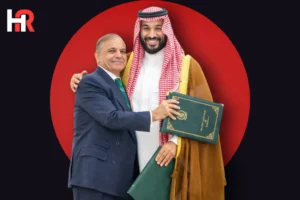
- Diplomatic Efforts: PM Shehbaz Sharif recently met with Saudi Crown Prince Mohammed bin Salman in Jeddah to push for de-escalation and secure energy lifelines.
- Monetary Stability: The State Bank of Pakistan has maintained interest rates at 10.5% to guard against imported inflation caused by the Gulf war.
About The Author