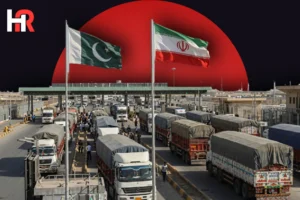
Pakistan Rejects U.S. Intelligence Claims of Missile Threat to American Homeland.

Pakistan rejects U.S. intelligence missile threat
In a direct diplomatic confrontation, Pakistan’s Foreign Office has formally rejected a new U.S. intelligence assessment that characterizes Pakistan’s ballistic missile program as a potential future threat to the American homeland. The rebuttal, issued by spokesperson Tahir Andrabi on March 19, 2026, follows testimony from U.S. Director of National Intelligence Tulsi Gabbard, who categorized Pakistan alongside Russia, China, North Korea, and Iran as nations developing advanced systems capable of reaching U.S. soil.
Strategic Rebuttal and Defensive Doctrine
Pakistan has dismissed these claims as “unfounded” and “speculative,” emphasizing the following points:
- Defensive Nature: Andrabi reiterated that Pakistan’s strategic capabilities are “exclusively defensive”.
- India Focus: The missile program is strictly calibrated to maintain Credible Minimum Deterrence against India, rather than seeking global reach.
- Range Constraints: The Foreign Office pointed out that Pakistan’s current arsenal lacks the intercontinental range (exceeding 12,000 kilometers) required to reach the U.S. from South Asia.
Regional Security & Conflict Context
This diplomatic friction occurs as the broader region remains engulfed in a high-stakes military and economic crisis:
- Iran Conflict: The Pentagon has confirmed that 140 American soldiers were injured during the first ten days of the conflict with Iran.
- Leadership Hits: Israel recently claimed the elimination of senior Iranian leaders, including security chief Ali Larijani, leading to a “near-total decapitation” of the regime’s traditional leadership.
- Maritime Paralysis: The Strait of Hormuz remains effectively closed, with six tankers set ablaze and oil prices surging past $103 per barrel.
- Agricultural Strain: The blockade has blocked 30% of global nitrogen exports, leaving U.S. farmers facing a 25% shortfall in fertilizer for spring planting.
- Economic Resilience: Despite the maritime chaos, Pakistan’s land-based trade with Iran via Taftan and Rimdan remains “fully operational and uninterrupted”.
About The Author