
The End of an Era: New START Treaty Expires, Leaving Global Nuclear Arsenals Unregulated.

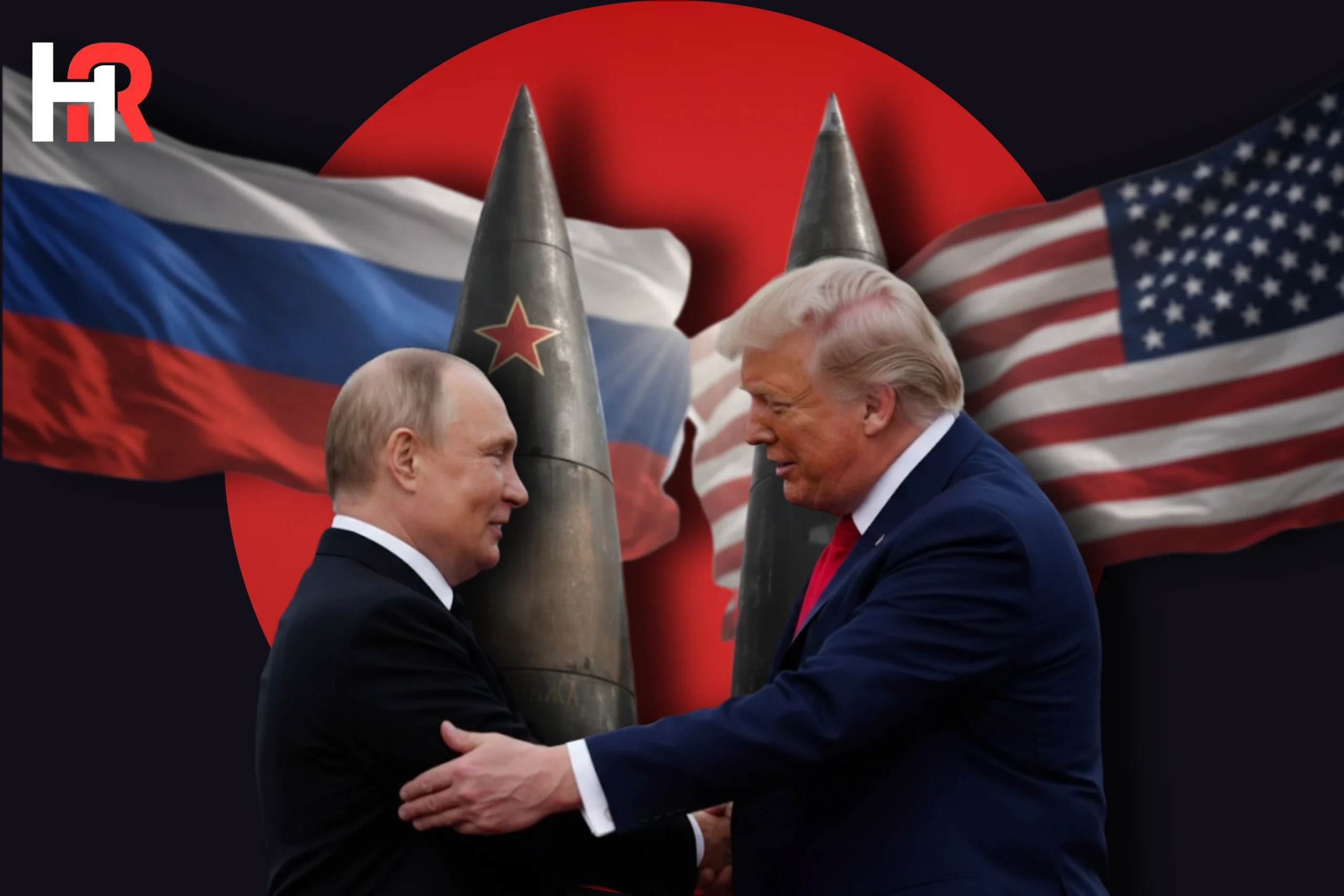
A pivotal era of global security has officially come to an end today, February 5, 2026, as the New START treaty expired without a successor agreement in place. This marks the conclusion of decades of verifiable arms control between the world’s two largest nuclear powers, removing the final bilateral constraints on their strategic nuclear forces.
What was the New START Treaty?
Signed in 2010 and extended in 2021, the treaty was the last remaining pillar of nuclear stability:
- Central Limits: Both nations were restricted to 1,550 deployed strategic warheads.
- Delivery Systems: Limited to 700 deployed ICBMs, SLBMs, and heavy bombers.
- Verification: Included mandatory on-site inspections and biannual data exchanges to prevent miscalculation.
A “Grave Moment” for International Peace
UN Secretary-General António Guterres has labeled this a “grave moment,” warning that for the first time in over half a century, the world is without binding limits on strategic nuclear weapons. He emphasized that the risk of nuclear weapon use is now at its highest in decades.
The China Factor and Diplomatic Deadlock
While Moscow suggested a one-year voluntary limit extension in late 2025, the Trump administration has taken a different path:
- Trump’s Priority: The U.S. has prioritized a broader trilateral agreement that includes China’s rapidly growing arsenal.
- Beijing’s Refusal: China has so far refused to join these talks, complicating immediate continuity.
- Uncertain Future: President Trump recently noted, “If it expires, it expires. We’ll just do a better agreement,” signaling a shift toward a “new era” of nuclear policy.
The expiration means an end to the transparency that once governed 80% of the world’s nuclear weapons, raising fears of an unconstrained and volatile multipolar arms race.