Pakistan’s 2026 Economic Reset: Can Industrial Reforms Drive Sustainable Growth?

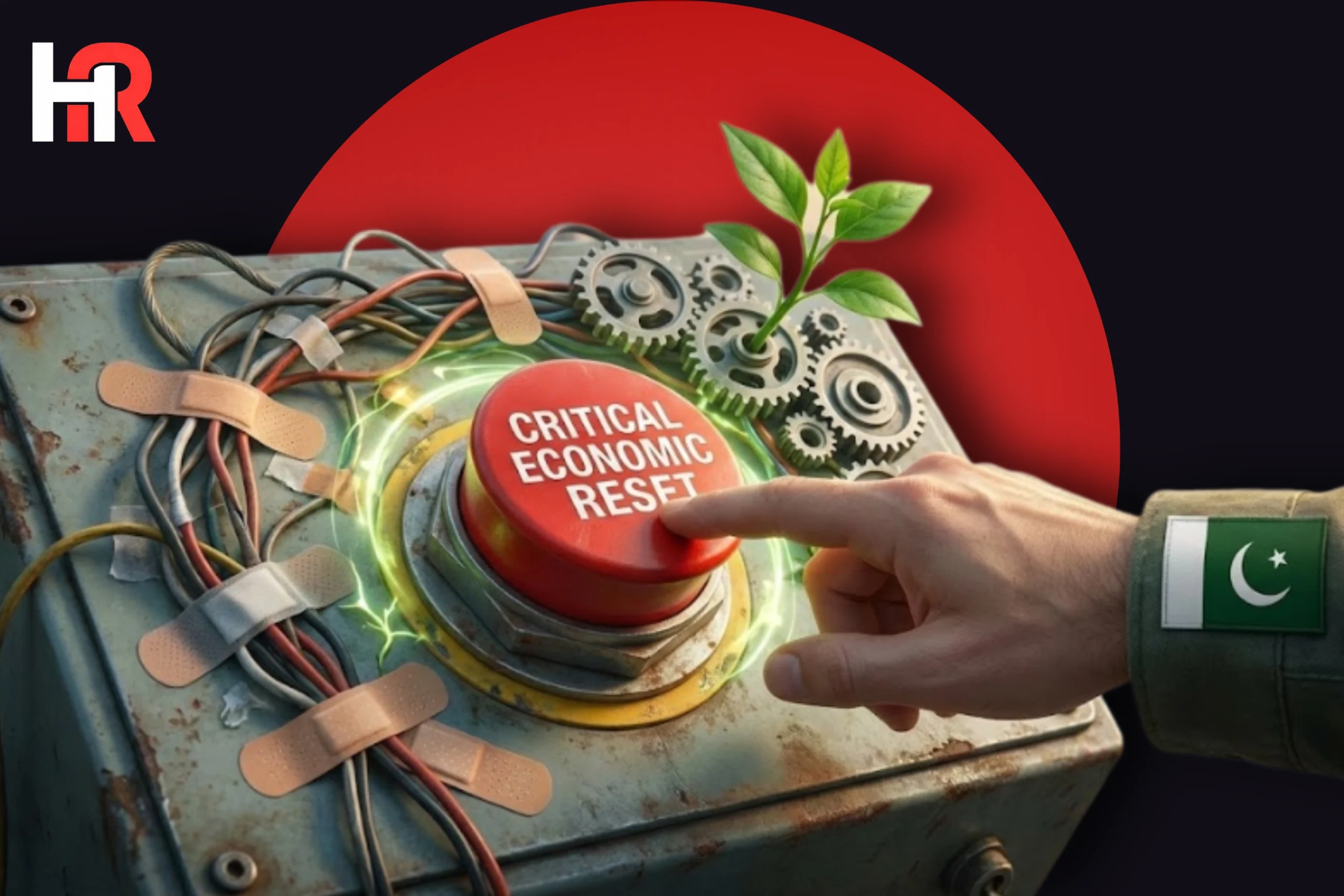
To achieve a sustainable economic recovery, Pakistan is prioritizing a comprehensive economic reset focused on structural reforms and local industrial expansion. As of February 2026, the country has maintained macroeconomic stability, with inflation declining to 5.6% in December 2025 and real GDP growth projected at 3.75%–4.75% for FY2026.
Key Pillars of the Economic Reset
Experts and government plans emphasize four critical areas for industrial and organic growth:
- Lowering Finance Costs: The State Bank of Pakistan (SBP) has cumulatively reduced the policy rate by 1,150 basis points since June 2024 to ease financial conditions. While the rate was held steady at 10.5% in January 2026, the easing of monetary conditions is designed to encourage credit to the private sector and sustain Large-Scale Manufacturing (LSM) growth.
- Energy Sector Reform: Addressing circular debt, which reached Rs 3.283 trillion in the gas sector by February 2026, remains a top priority. To protect the industrial base, the government has moved to reduce industrial electricity tariffs by up to Rs 4.58 per unit, though this has shifted some cost burdens toward domestic fixed charges.
- Tax Simplification and Revenue: FBR tax revenue grew by 9.5% in the first half of FY2026. Ongoing reforms focus on broadening the tax base and reducing compliance costs to attract foreign investment, such as the new $100 million iPhone refurbishment and manufacturing framework with Apple.
- Policy Stability and Investment: The government is targeting an increase in the investment-to-GDP ratio to 14.7% for FY2026 by ensuring policy continuity. This includes strategic partnerships like the $1 billion MoU to redevelop the Roosevelt Hotel in New York.
Disclaimer: This post is for informational and analytical purposes based on current economic proposals and expert recommendations. The implementation of these reforms is subject to government policy decisions and international financial agreements. Please refer to official Ministry of Finance and State Bank reports for formal policy updates.
 Pakistan
 Pakistan
 Pakistan