
Trump Escalates Supreme Court Feud, Imposes New 10% Global Tariffs via Section 122.

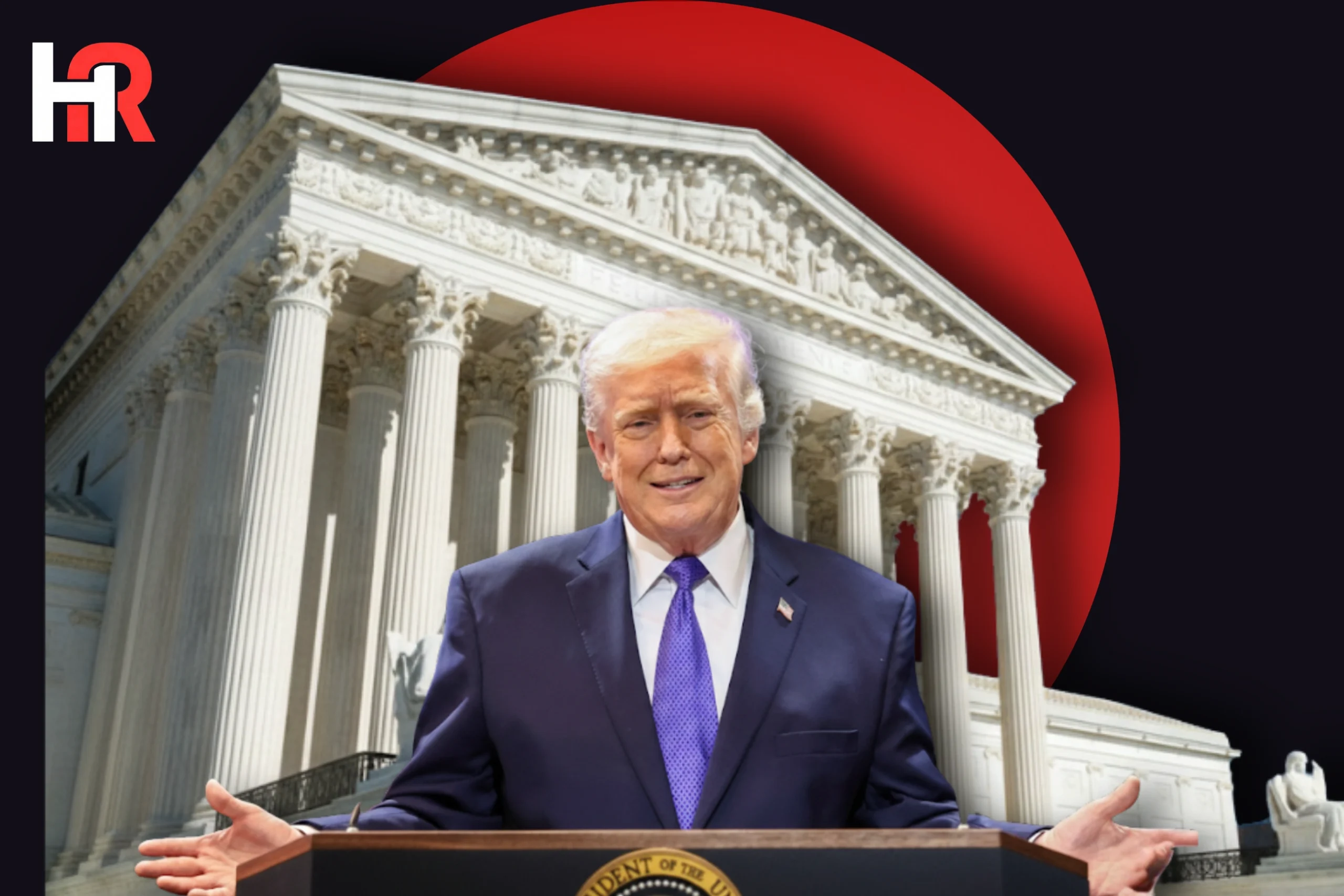
On February 23, 2026, President Donald Trump intensified his confrontation with the U.S. Supreme Court following a landmark 6-3 ruling that struck down his use of the International Emergency Economic Powers Act (IEEPA) to impose tariffs. The Court concluded that the power to levy tariffs is a branch of the taxing power reserved for Congress under Article I of the Constitution.
Economic Standoff and Strategy Shift
In a rapid response to the judicial setback, the Trump administration has shifted its legal basis to maintain the “America First” trade agenda:
- The Section 122 Workaround: Within hours of the ruling on February 20, 2026, the White House reimposed a 10% global tariff under Section 122 of the Trade Act of 1974.
- Statutory Limits: Unlike the IEEPA, Section 122 is expressly limited to a 15% cap and a 150-day duration. It is intended to address serious balance-of-payments deficits.
- Aggressive Rhetoric: Following the decision, Trump publicly slammed the Court’s ruling and signaled that he would utilize remaining trade authorities in a “much more powerful” manner.
- Potential for Section 301 Actions: The administration announced plans to launch new Section 301 investigations, which could lead to additional country-specific tariffs in the future.
Global and Market Reaction
The sudden shift in U.S. trade policy has caused significant ripples across international markets and diplomatic circles:
- Economic Uncertainty: U.S. equity futures and global markets have shown signs of unease as importers face a complex landscape regarding potential refunds for the invalidated IEEPA tariffs.
- International Response: While major trading partners like China have called for an end to these measures, others like the EU and India are reportedly reconsidering their trade negotiations in light of the new baseline 10% surcharge.
- Corporate Impacts: While some businesses initially celebrated the Supreme Court win, they now face a new 10% baseline tariff on all imports regardless of origin, replacing previous country-specific rates.
Disclaimer: This post is for informational and analytical purposes based on the latest reports regarding U.S. trade policy and judicial rulings as of February 2026. Economic impacts and legal outcomes are subject to further court proceedings and international diplomatic responses.