
The Heart of Japanese Industry: How Workers Honor Retired Machines.

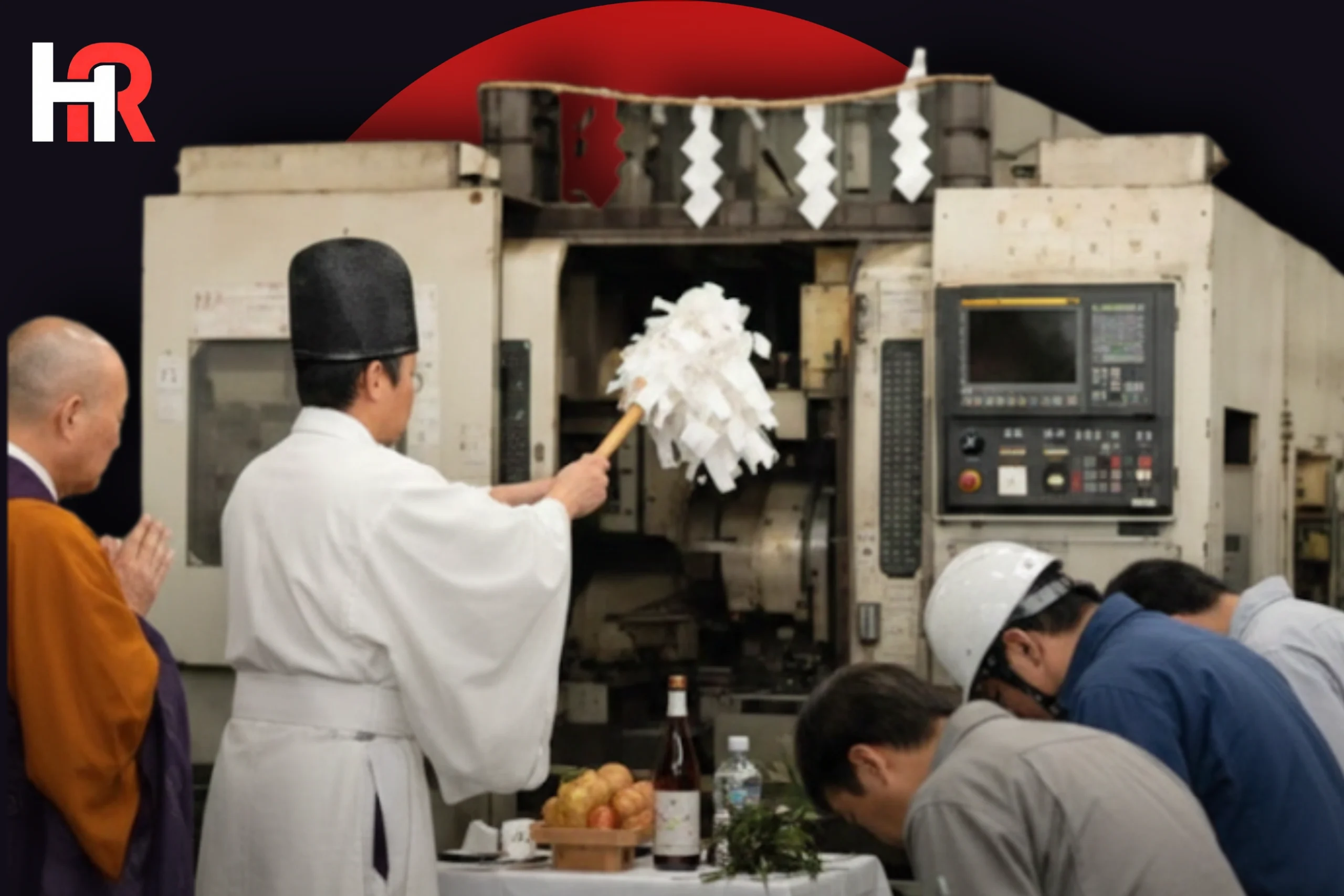
Japanese ceremony for retired machines
In Japan, respect for history and craftsmanship extends to the very tools and machines that build the nation. When a long-serving machine reaches the end of its utility, workers often hold unique and heartfelt retirement ceremonies to thank it for years of dedication and reliable service.
Key Aspects of This Tradition
- Cultural Values and Animism: Deeply rooted in Shinto and Buddhist traditions, this practice reflects an animistic belief that spirits can reside in objects (often referred to as Tsukumogami). It fosters a culture of mindfulness and loyalty toward one’s equipment.
- Acknowledging Progress: These rituals allow workers to honor the shared journey of effort and the tangible progress made possible through the machine’s labor.
- Strengthening Bonds: Even in high-tech environments, these quiet ceremonies provide a sense of pride and strengthen the connection between workers and their physical surroundings.
- Specific Examples: Traditions such as Hari-kuyo (the festival of broken needles) involve laying old sewing needles to rest in blocks of tofu to thank them for their service before they are “retired”.
This enduring human element of gratitude remains at the heart of Japanese industry, serving as a powerful reminder that appreciation for one’s history preserves the dignity of work.
Disclaimer: This post is for informational and inspirational purposes, highlighting cultural practices in Japan. Please note that the accompanying image is AI-generated and intended for illustrative reference only.