India Secures Safe Passage for Oil Tankers Amid Rising Gulf Conflict.

India Iran oil tanker assurance
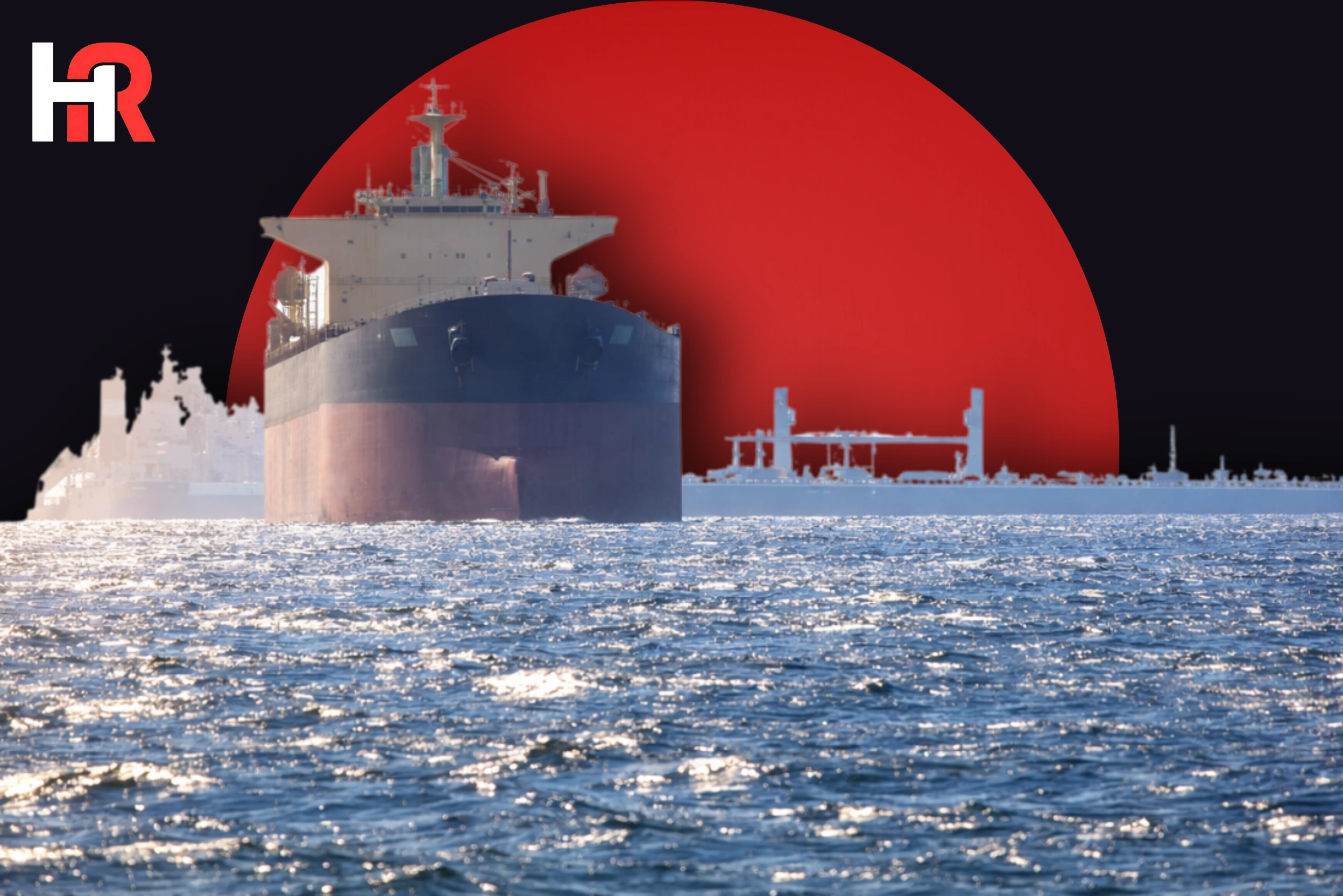
In a significant diplomatic achievement, India has secured a critical assurance from Iran to permit Indian-flagged oil tankers safe passage through the Strait of Hormuz. This breakthrough follows intensive negotiations between External Affairs Minister S. Jaishankar and his Iranian counterpart, Seyed Abbas Araghchi, as the region faces the 13th day of the “Operation Epic Fury” conflict.
Diplomatic Lifeline and Economic Impact
The agreement serves as a vital safeguard for India’s energy stability during a period of extreme maritime volatility:
- Strategic Transit: India relies on the Strait of Hormuz for approximately 40% of its crude oil imports.
- Successful Navigation: The Shenlong Suezmax successfully reached Mumbai on Wednesday after navigating the corridor, marking the first major success of this diplomatic deal.
- Safety Monitoring: New Delhi is currently tracking 28 domestic vessels and nearly 800 Indian seafarers in the Gulf region to ensure their safety.
- Fragile Agreement: While promising, some Iranian sources indicate the assurance is “informal” and remains contingent on broader military developments.
Regional Maritime Peril
Despite the localized relief for Indian vessels, the wider Strait remains a high-risk zone:
- Tankers Targeted: At least six commercial vessels were set ablaze in a single night, including the Safesea Vishnu and the Mayuree Naree.
- Skyrocketing Prices: Brent crude has surged past $100 per barrel, with Tehran warning that prices could hit $200 if U.S. or Israeli forces target Iranian energy terminals like Kharg Island.
- Supply Plummet: The IEA reports regional production has dropped by 10 million barrels per day, prompting G7 nations to release 400 million barrels from strategic reserves.