Pakistan-Iran Land Trade Remains Operational Amid Gulf Maritime Paralysis.

Pakistan Iran land trade 2026
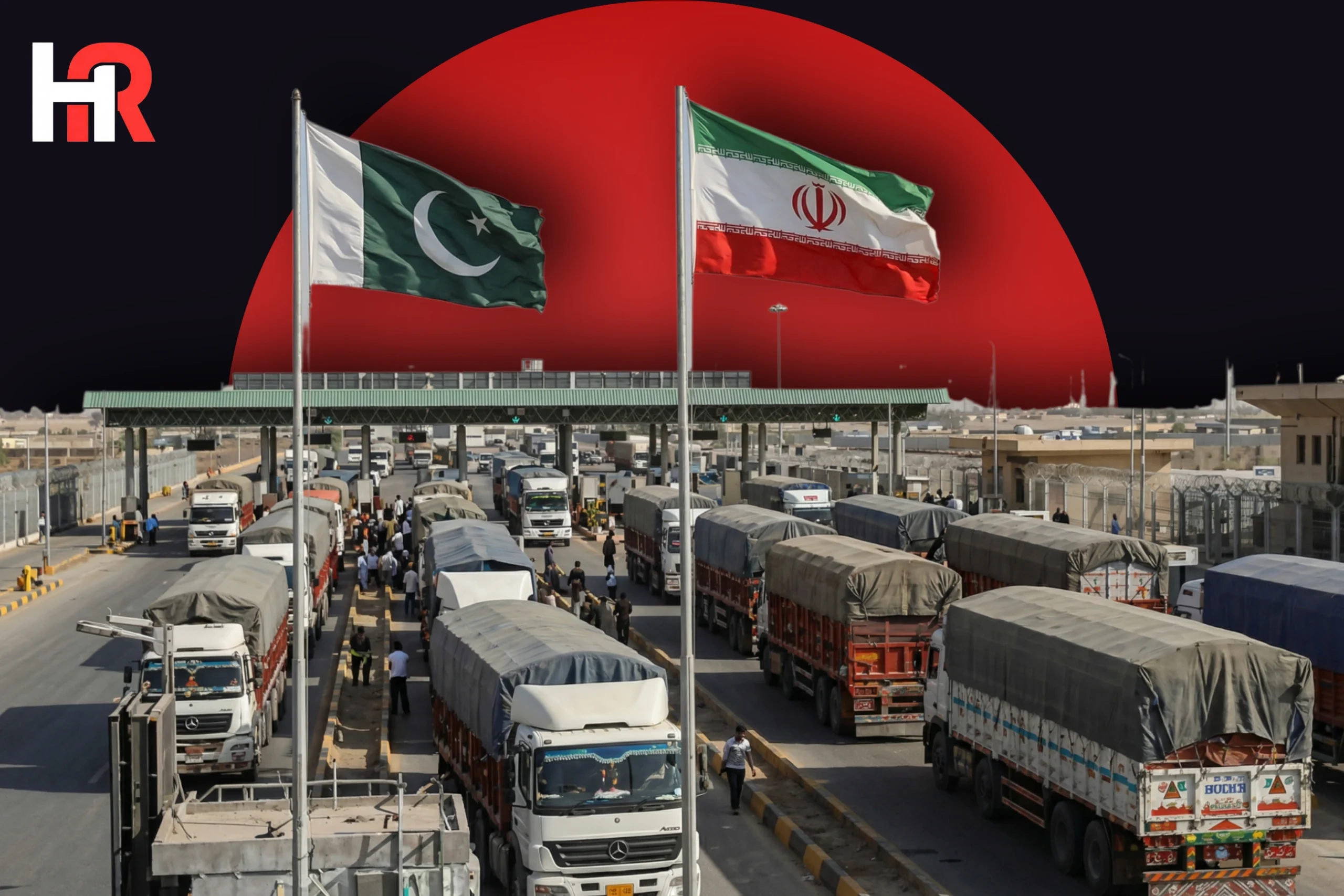
While maritime chokepoints face unprecedented paralysis, the land-based economic partnership between Pakistan and Iran has emerged as a rare beacon of stability. Pakistan’s Ambassador to Iran, Muhammad Mudassir Tipu, confirmed on March 17, 2026, that cross-border trade and transit activities remain fully operational and uninterrupted despite the peak in regional tensions.
Land-Based Economic Resilience
The continuity of land trade is providing a vital lifeline as traditional sea routes suffer from the ongoing conflict:
- Operational Border Crossings: “Green Channels” at key land borders, specifically Taftan and Rimdan, are currently handling the bulk of regional commerce.
- Local Market Support: These land routes are essential for sustaining local markets in Balochistan and Iran’s border provinces, bypassing the high-risk maritime zones.
- Diplomatic Cooperation: Ambassador Tipu expressed gratitude to Iranian authorities for the efficient clearance of goods during this volatile period.
Maritime Context and Energy Flow
Despite the land-based stability, the maritime situation remains critical:
- Hormuz Blockade: The ongoing blockade has choked nearly 20% of global oil and gas flows.
- Selective Passage: Specific diplomatic arrangements allowed a recent fuel tanker destined for Karachi to navigate the strait successfully, even as commercial traffic for other nations has fallen to nearly zero.
- Market Pressure: On March 17, Brent crude surged past $103, fueled by reports of sea mines and intensified threats in the Gulf.