Industrial Revival: Manufacturing Sector Roars Back with 6.6% Growth to Anchor GDP Expansion.
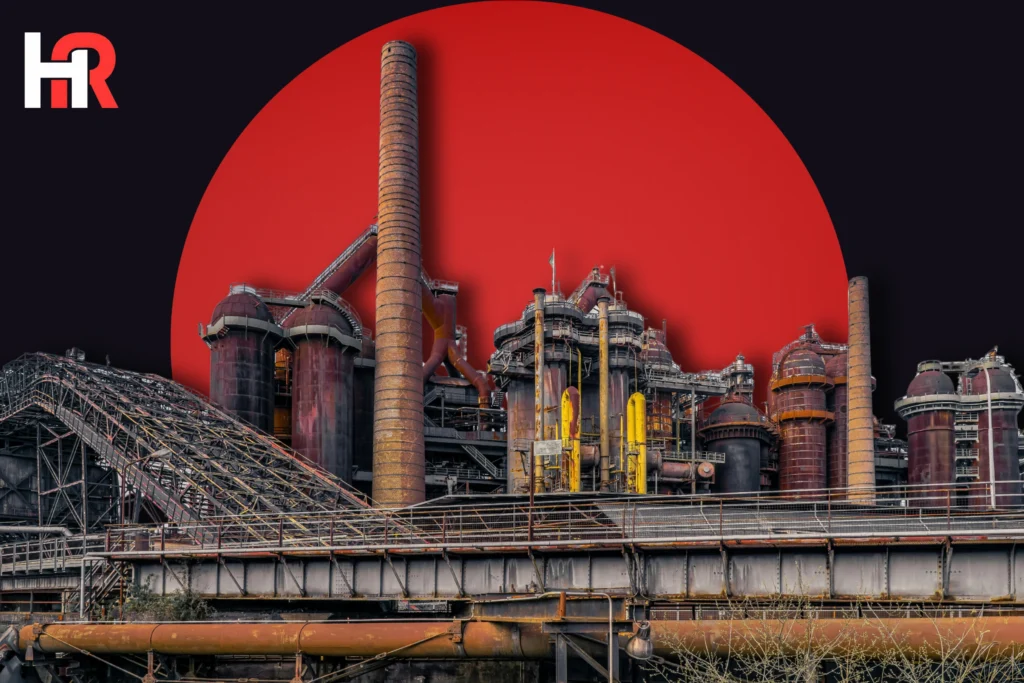
Pakistan Economic Survey 2025-26 manufacturing growth
Pakistan’s industrial sector recorded a strong recovery in FY26, with manufacturing growth rising to 6.6%, according to the Pakistan Economic Survey 2025-26. The performance marks a significant improvement from the 2% growth registered in the previous fiscal year, reflecting renewed momentum in industrial activity.
The recovery was driven primarily by large-scale manufacturing (LSM), which expanded by 6.5% during July–March FY26 after contracting by 1.9% during the same period a year earlier. On a yearly basis, LSM growth reached 11.1% in March 2026, compared with a 2.4% decline in March 2025.
The survey attributes the improvement to stable macroeconomic conditions, lower inflation, exchange rate stability, better availability of industrial inputs, and a gradual reduction in interest rates.
Industrial growth played a major role in supporting Pakistan’s overall GDP growth of 3.7%. Of the 22 industrial groups included in LSM, 16 posted positive growth during the period.
Key contributors included food products, textiles, garments, beverages, automobiles, electrical equipment, and petroleum products. The textile sector grew by 0.7%, while the wearing apparel segment expanded by 9.8%. Food manufacturing recorded a notable increase of 10.9%, supported by stronger consumer demand and improved agricultural production.
The mining and quarrying sector also returned to growth, posting a 0.4% increase after four consecutive years of decline. Output of minerals such as rock salt, gypsum, iron ore, and limestone showed significant gains.
Despite the overall improvement, some sectors continued to face challenges. Pharmaceutical production declined by 5.1%, while natural gas and crude oil production remained under pressure.
Private sector credit rose to Rs934 billion during July–March FY26, indicating increased business investment and demand for working capital.
Analysts view the manufacturing rebound as a positive sign for employment, exports, and investment. However, maintaining this momentum will depend on continued policy stability, energy sector reforms, and the ability to navigate global economic uncertainties and trade-related challenges.
About The Author