
Deadly Heatwave Claims Over 1,000 Lives in France Amid Continent-Wide Chaos.
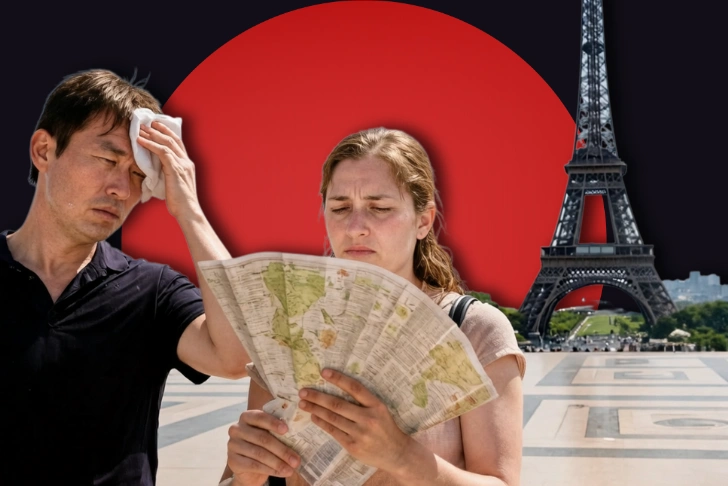
A catastrophic summer heatwave has claimed at least 1,000 lives in France and plunged much of Europe into logistical chaos. The extreme weather event, which began on June 20, has exposed severe infrastructure vulnerabilities across the continent—disrupting mass transit, forcing major power plants to cut electricity generation, and devastating vital agricultural water systems.
Public Health France confirmed the staggering initial death toll, noting that the vast majority of the heat-related fatalities involved citizens aged 65 and older. Health officials warn the figure is an underestimate that will likely rise as more data emerges from private residences and care homes.
A Continent-Wide Infrastructure Crisis
The unrelenting heat has pushed vital European infrastructure past its design limits, compounding localized weather disasters with systemic utility failures:
- Nuclear Power Curbs: In Hungary, the operator MVM was forced to cut output at the Paks nuclear power plant after the Danube River’s cooling water temperature hit 29.7°C—surpassing the strict 29.5°C environmental safety threshold. Similar thermal restrictions hit river-cooled reactors in Switzerland and France.
- Grid Collapse & Storms: Severe thunderstorms trailing the heat front knocked out power lines across northern and central France, leaving 36,000 households completely in the dark.
- Transit Shutdowns: In Germany, extreme thermal stress on steel tracks disrupted main rail corridors in North Rhine-Westphalia, while municipal operators in Leipzig suspended tram lines as a safety precaution against track warping.
- Ecological Backflow: Italy’s Po River dropped to critically low levels, allowing seawater from the Adriatic to push a damaging 18 kilometers inland, contaminating agricultural soils and delicate wetland ecosystems in the river delta.
Regional Extreme Weather Statistics
The closing days of June shattered long-standing meteorological benchmarks across Central and Western Europe, forcing multiple governments to issue emergency health mandates:
| Country | Record Registered (June 2026) | Local Impact / Warning Status |
| Germany | 41.7°C (Neißemünde) | Firefighting halted in explosive WWII-era ammunition forests |
| Czech Republic | 41.1°C (National Record) | Severe smog and ground-level ozone alerts issued |
| Germany (Night) | 29.4°C (Kubschütz) | All-time highest minimum nighttime temperature recorded |
The Human-Driven Climate Link
Rapid scientific evaluations have tied the severity of this crisis directly to global warming. A flash study by the World Weather Attribution network concluded that the atmospheric moisture and blistering heat indexes felt across Europe would have been virtually impossible without human-driven climate change.
The researchers discovered that skyrocketing nighttime temperatures—which prevent the human body from shedding heat and recovering—have become 100 times more likely across the continent than they were just two decades ago.
Global Health Warning: World Health Organization (WHO) Director-General Tedros Adhanom Ghebreyesus emphasized that these severe patterns are shifting from anomalies into annual crises. “This isn’t pleasant summer weather,” officials warned, as Europe cements its position as the fastest-warming continent on Earth.
While cooler weather systems are finally pushing into Western Europe, the core of the heat dome is now moving deeper into Central Europe and the Balkans, prompting localized water rationing and strict outdoor activity bans.

 Global
 Global
 Global