Sheikh Hasina Plans to Return to Bangladesh from India Exile in December.

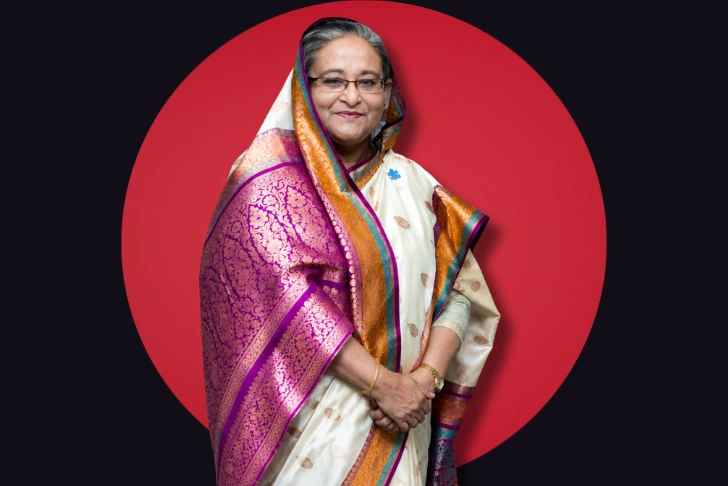
Former Bangladeshi Prime Minister Sheikh Hasina intends to return home around December with exiled Awami League colleagues and surrender to authorities. Facing a death sentence, the longtime leader says she is prepared for arrest or worse to defend her party and legacy.
Return to Face Justice
In an exclusive Reuters interview, Hasina stated she has not consulted foreign governments on timing. “They may arrest me on my return, they may even kill me. Still, I have to go,” the 78-year-old said.
She highlighted repression against Awami League members. Many leaders and workers are in hiding or facing cases. Hasina called on them to join her in surrendering together in court to expose what she calls flawed proceedings.
The move tests Bangladesh’s political landscape two years after her ouster. It comes as the country works to restore order following the 2024 uprising.
Impact on Regional Ties and Domestic Politics
A voluntary return could help mend Bangladesh-India relations, severely strained by New Delhi sheltering Hasina. India is examining Dhaka’s extradition request and aims to strengthen bilateral ties.
Hasina said she has had no direct contact with Dhaka over the plans. “Democracy, voting rights, the political rights of the Awami League and justice are not subjects for secret talks,” she emphasised.
She leaves judgment to the people. “When a government works for a long time, mistakes can happen. But the right to judge belongs to the people.”
Hasina built a dominant political career after her father Sheikh Mujibur Rahman’s assassination. She returned from exile in 1981, faced repeated detentions, and later led the nation to economic gains. Her rule, however, drew criticism for alleged authoritarianism and dismantling democratic institutions — accusations she denies.
The deadly crackdown on protesters ultimately forced her flight. Now, she focuses on party revival while challenging the ban on Awami League.
Hasina believes court proceedings will reveal the truth to the public. She remains committed despite personal risks, drawing strength from her family’s legacy and past struggles.
This development could reshape Bangladesh’s political future as the nation navigates post-uprising challenges.