Pakistan must reapply for EU GSP+ access under new rules
✧ GENERATE BRIEFING +
Pakistan must submit a formal new application to retain preferential market access under the European Union's revised Generalised Scheme of Preferences Plus framework taking effect on January 1, 2027. While current beneficiaries retain transitional access through 2028 under existing obligations, continuation beyond that period requires a forward-looking action plan meeting five new international conventions, raising the total compliance mandate from 27 to 32 agreements covering human rights, labor, environment, climate action, and governance. The arrangement remains vital for Pakistan's export sector, which recorded roughly €7.5 billion in shipments to the bloc in 2024, predominantly in textiles and garments, saving exporters about €732 million in annual tariffs. The updated regulatory regime features strengthened monitoring mechanisms and stricter compliance standards, meaning Pakistan must undergo a rigorous fresh assessment to secure duty-free benefits beyond the transition window and preserve export competitiveness.
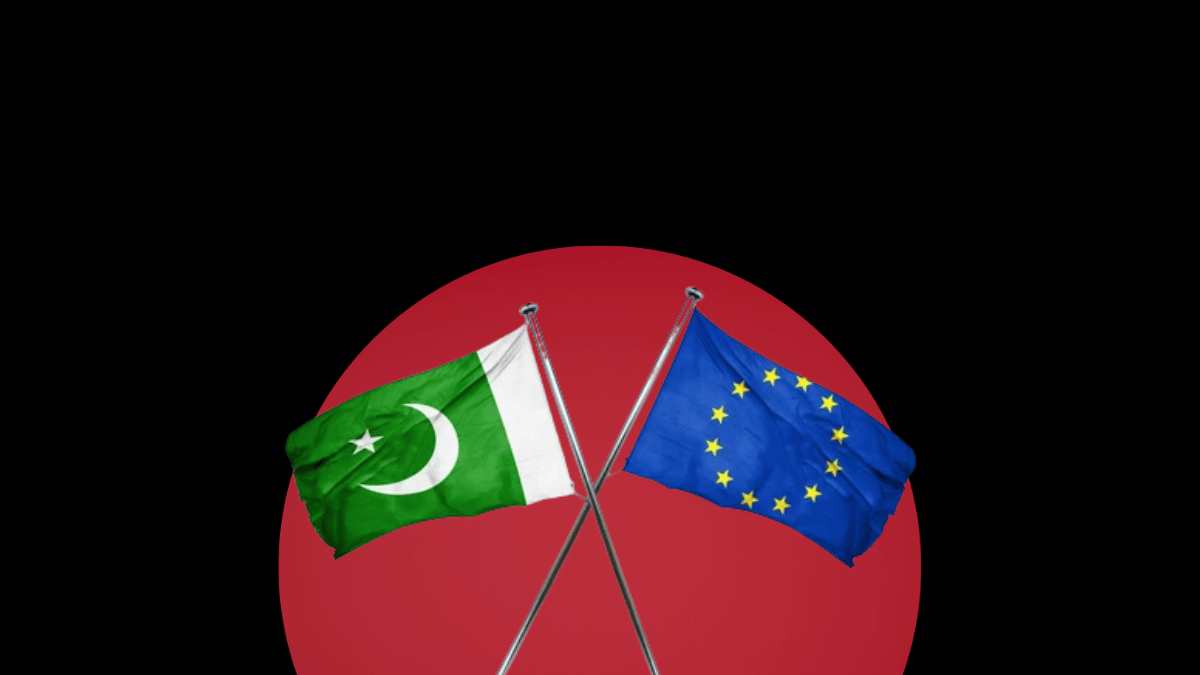
ISLAMABAD: Pakistan will have to submit a fresh application to retain preferential access to the European Union market under the bloc’s revised Generalised Scheme of Preferences Plus (GSP+) framework, with the number of international conventions covered by the scheme increasing from 27 to 32.
The new EU GSP regulation will take effect from January 1, 2027. Existing GSP+ beneficiaries, including Pakistan, will continue receiving preferential market access during a two-year transition period through the end of 2028, provided they continue meeting their existing obligations.
However, continuation beyond the transition period will not be automatic. Pakistan will need to submit a new request under the revised framework along with a forward-looking action plan explaining how it intends to implement the expanded commitments covering human rights, labour standards, environmental protection, climate action and governance.
The European Union has made clear that existing beneficiaries will not simply be rolled over into the new scheme. The revised system introduces a new legal basis and additional requirements, meaning Pakistan will have to undergo a fresh assessment before securing GSP+ benefits beyond 2028.
The GSP+ arrangement is particularly important for Pakistan’s export sector because the EU is one of the country’s largest trading partners. Pakistan exported goods worth around €7.5 billion to the bloc in 2024 under duty-free or preferential arrangements, with textiles and garments accounting for a major share of those exports. The preferential access was estimated to save Pakistani exporters about €732 million in tariffs.
The revised EU framework also strengthens monitoring and links preferential trade access more closely with compliance on international standards. The European Commission says the new system increases accountability and introduces stronger mechanisms for responding to serious and systemic violations.
For Pakistan, retaining GSP+ will therefore require sustained progress on the additional commitments rather than simply securing another extension. The country’s ability to preserve preferential access will remain important for the competitiveness of its textile, apparel and other export-oriented industries in the European market.