
Pakistan Seeks Larger China Swap Line, Awaits US Decision On $10bn Facility.
✧ GENERATE BRIEFING +
Pakistan is planning to seek an expansion of its fully drawn 30 billion yuan ($4.2 billion) currency swap arrangement with China when the facility comes up for renewal in 2027, Finance Minister Muhammad Aurangzeb announced. Beijing has signaled initial openness to increasing the credit line. Simultaneously, Islamabad is awaiting a formal response from Washington within the next two months regarding a requested $10 billion exchange stabilisation facility, alongside ongoing financing talks with the US Export-Import Bank (EXIM)—targeting potential Boeing aircraft financing for the privatized Pakistan International Airlines (PIA)—and the US International Development Finance Corporation (DFC) to support a $5 billion refinery upgrade program.Describing Pakistan’s diplomatic and economic policy as an "and-and" strategy, Aurangzeb emphasized strong ties with both global powers. While external liquidity is being bolstered, the finance minister cautioned that if the ongoing Middle East conflict and elevated oil prices persist into November or December, it could threaten the government’s 4% GDP growth target for the fiscal year.
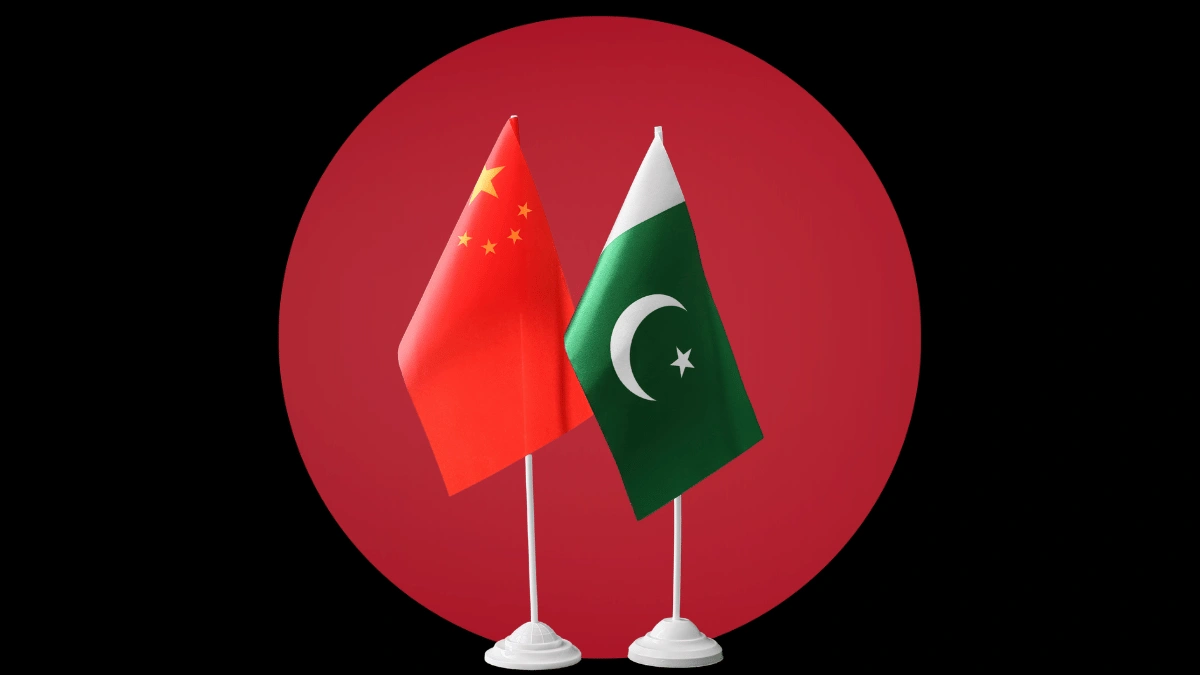
Pakistan plans to seek an expansion of its 30 billion yuan currency swap arrangement with China when the facility expires in 2027, Finance Minister Muhammad Aurangzeb said, as the country continues to secure external financing to strengthen foreign exchange reserves and meet debt obligations.
Aurangzeb said the entire existing 30 billion yuan swap line has been fully drawn. While Pakistan has not yet determined the size of the additional facility it will request, the finance minister said Beijing had indicated openness to an expansion and that a formal request would be made when the arrangement comes up for renewal.
At the same time, Pakistan is awaiting a response from Washington on its request for a $10 billion exchange stabilisation facility. Aurangzeb expects a decision within about two months.
The finance minister said Pakistan is also discussing financing with the US Export-Import Bank (EXIM) and the US International Development Finance Corporation (DFC). EXIM financing could support Pakistan International Airlines’ planned aircraft purchases from Boeing following the airline’s privatisation.
DFC financing, meanwhile, could support a planned $5 billion programme to upgrade Pakistan’s oil refineries, potentially helping modernise the country’s refining infrastructure.
Aurangzeb described Pakistan’s approach to China and the United States as an “and-and” strategy, saying the country maintains strong relations with both major economic powers. He said China remains a long-standing strategic partner while Pakistan also has a positive leadership-level relationship with the Trump administration.
The financing discussions come as Pakistan continues to monitor risks from elevated international oil prices following the Middle East conflict. Aurangzeb said the country has sufficient oil stocks to meet requirements through September and is well positioned for October, while preparations for November supplies are already underway.
However, the minister warned that a prolonged conflict extending into November or December could create economic risks and potentially threaten the government’s 4% growth target for the fiscal year.
Despite the financing discussions, Aurangzeb said Pakistan currently has no plans to seek additional IMF financing or emergency support from the Washington-based lender.

 Business
 Business
 Business