Listen4 min
Read aloud by your device’s built-in synthetic voice, not a recording. Needs a browser that can read aloud.
✧ GENERATE BRIEFING
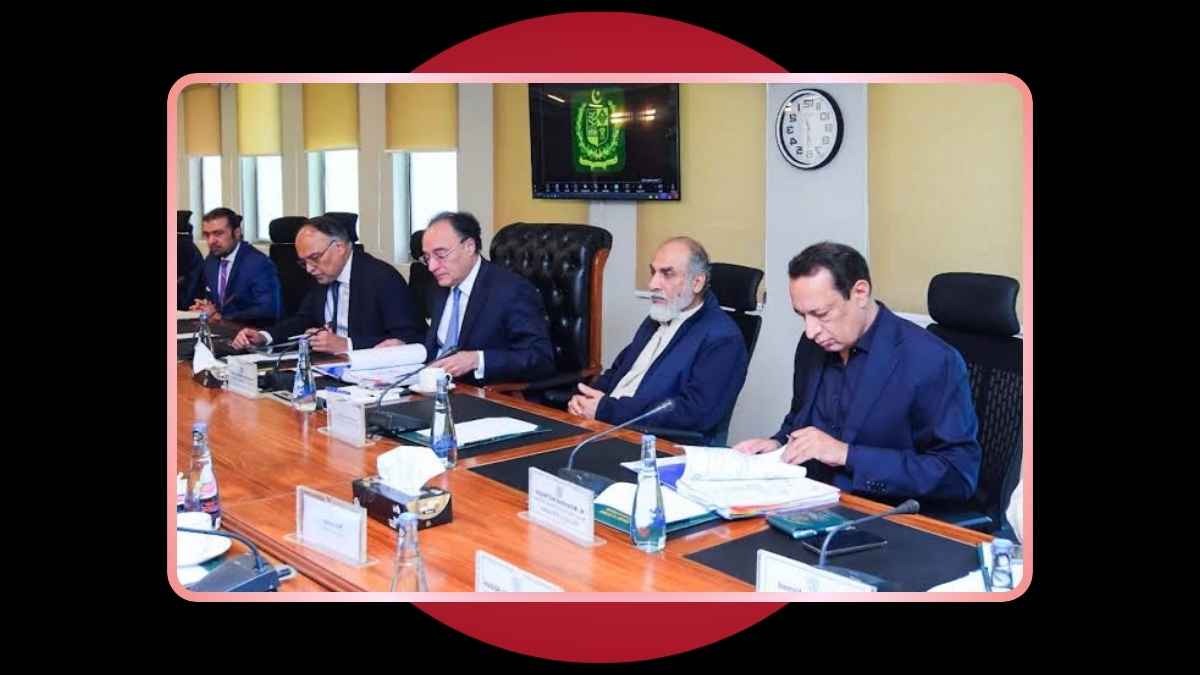
Federal Minister for Finance Senator Muhammad Aurangzeb chaired the third meeting of the committee tasked with developing Pakistan's National Private Equity Framework on Monday, October 26, 2026. The federal government is accelerating regulatory and taxation reforms to mobilize domestic savings, attract institutional capital, and provide long-term equity financing for corporate expansion and restructuring.Key regulatory revisions, proposed taxation structures, and policy priorities include:Expanded Bank Investment Caps: The State Bank of Pakistan (SBP) briefed the committee on amendments to Regulation R-6 of the Prudential Regulations for Corporate/Commercial Banking (issued via BPRD Circular Letter No. 22 of 2026). Permissible bank/DFI investment limits in a single private equity fund, REIT, or mutual fund have been doubled from 10% to 20% of fund units (capped at 5% of a bank's Tier-I capital).Pass-Through Tax Framework: The committee reviewed proposals to establish a "pass-through" tax mechanism for private equity vehicles. Under this structure, fund-level double taxation is eliminated, shifting tax obligations directly to end-investors to match international market norms.
Pakistan is accelerating efforts to develop its private equity market through regulatory and taxation reforms aimed at mobilising domestic savings, attracting institutional investment, and expanding access to long-term capital for businesses.
Finance Minister Senator Muhammad Aurangzeb chaired the third meeting of the high-level committee tasked with developing the National Private Equity Framework on Monday, October 26, 2026.
Regulatory Enhancements and SBP Investment Limits
The State Bank of Pakistan (SBP) briefed the committee on recent regulatory amendments to the Prudential Regulations for Corporate and Commercial Banking. Under the revised rules (BPRD Circular Letter No. 22), the SBP expanded the permissible equity investment limit for banks and Development Finance Institutions (DFIs) in a single private equity fund, REIT, or mutual fund from 10% to 20% of total fund units, subject to a maximum cap of 5% of the bank’s Tier-I capital.
| Investment Category | Revised Regulatory Limit / Ceiling | SBP Prudential Regulation Reference |
| Single Private Equity / REIT Fund | 20% of Fund Units (or 5% of Tier-I Capital) | Prudential Regulation R-6 (Paras 1A & 1B) |
| Startup / Fintech Exposure | Lower of Rs500 Million or 5% Tier-I Capital | BPRD Circular Letter No. 22 of 2026 |
| Single Company Shares | Lower of 10% Paid-Up Shares or 5% Tier-I | BPRD Circular Letter No. 22 of 2026 |
| Taxation Model under Review | Pass-Through Vehicle (Taxation at Investor Level) | FBR / Ministry of Finance Tax Committee |
The expanded cap provides commercial banks with broader capacity to deploy capital into professional private equity funds, provided each institution maintains an internal risk evaluation policy covering capital adequacy, exit strategies, and portfolio exposure.
Mobilizing Domestic Capital and Institutional Sources
The committee evaluated mechanisms to mobilize domestic liquidity from non-banking institutional sources, including insurance companies, pension funds, provident schemes, mutual funds, and private family offices.
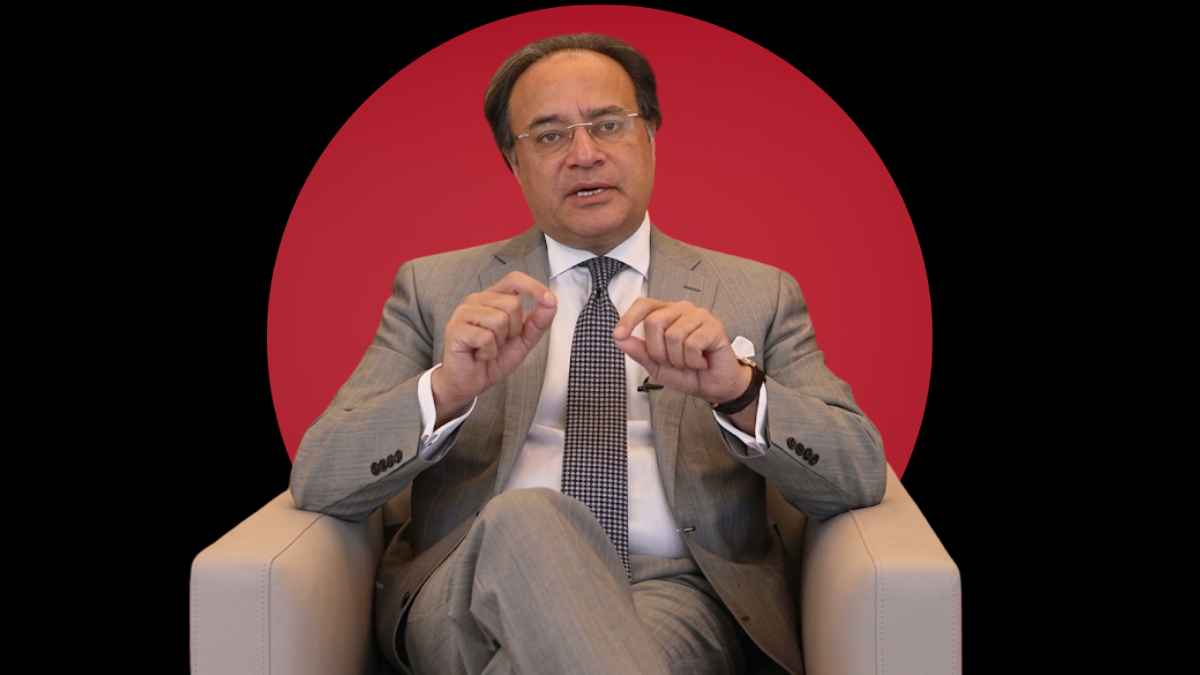
Minister Aurangzeb stated that establishing a deep domestic investor base remains the immediate priority for building a functioning private equity market. A structured domestic ecosystem will subsequently enhance international investor confidence and facilitate cross-border co-investment structures into Pakistani enterprises.
Proposed Pass-Through Taxation Architecture
Taxation reform formed a central component of the committee’s deliberations. The meeting reviewed recommendations for a competitive and predictable tax regime that treats private equity funds as pass-through vehicles. Under this structure, income generated by the fund is taxed directly at the investor level rather than being subjected to corporate-level taxation within the fund entity.
Aurangzeb instructed the Federal Board of Revenue (FBR) and committee members to evaluate international tax models to ensure the framework encourages legitimate risk capital deployment while preventing tax arbitrage or structural market distortions.
Capital Market Growth and Investable Pipeline
The committee examined potential investment pipelines over a 5-to-10-year horizon, focusing on corporate acquisitions, industry consolidation, expansion-stage financing, and venture capital exits.
The Finance Minister concluded that a functional private equity ecosystem is essential for deepening domestic capital markets, reducing corporate reliance on short-term bank debt, and supporting long-term economic growth. The meeting was attended by the Prime Minister’s Adviser on Privatisation, the Finance Secretary, the FBR Chairman, and senior regulatory leaders, who were directed to finalize operational guidelines for early implementation.