
Legislative Rebuke: US House Passes War Powers Resolution to Restrict Trump’s Iran Operations.
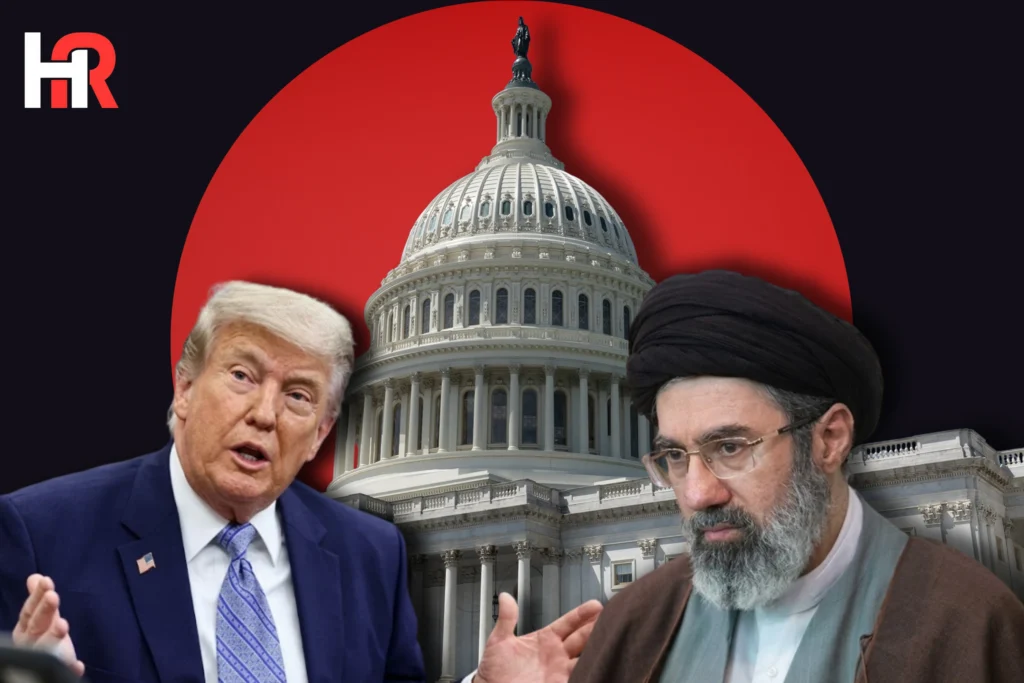
US House War Powers Resolution Iran
In a rare and significant legislative rebuke of the White House, the Republican-controlled U.S. House of Representatives voted on Wednesday to restrict President Donald Trump’s authority to continue military operations in Iran.
The bipartisan war powers resolution, which passed by a narrow margin of 215 to 208, directs the President to withdraw U.S. forces from the conflict unless explicit congressional authorization is granted. The successful vote comes as the joint U.S.-Israeli military campaign against Iran enters its fourth month. It follows three previous failed attempts by the lower chamber to force oversight on an administration that launched the war on February 28 without seeking formal legislative approval.
Asserting Constitutional Oversight Amid Regional Escalation
The dynamic on Capitol Hill signals growing institutional anxiety regarding the executive branch’s military independence. By passing this resolution, the House aims to re-establish its foundational power over declarations of war, highlighting several strategic friction points:
- Restraining Unilateral Actions: Forcing a structural stop to ongoing combat operations unless the White House secures explicit statutory approval or a formal declaration of war.
- Bipartisan Defections: The tight 215–208 victory highlights key defectors within the majority party who crossed the aisle to vote alongside the opposition, signaling fraying party uniformity on foreign policy.
- Mitigating Global Vulnerabilities: Lawmakers cited the extreme economic and maritime fallout from the campaign, particularly escalating security threats across volatile commercial chokepoints like the Strait of Hormuz.
A Looming Veto and the Midterm Landscape
“The vote represents a critical constitutional reminder that the power to initiate and sustain foreign conflicts remains firmly embedded in the legislature, not the Oval Office.”
Despite the historic nature of the lower chamber’s action, political analysts emphasize that the framework faces steep hurdles before becoming law. The legislation must navigate a highly polarized Senate, and even if it passes the upper chamber, the White House has strongly signaled that President Trump will deploy his executive veto power to quash the resolution.
Nevertheless, the successful vote sets up an aggressive constitutional showdown and positions foreign policy oversight as a central, high-stakes battleground issue heading into the upcoming 2026 midterms.
About The Author