
Pakistan Faces Electricity Price Surge Due to LNG Supply Disruptions.
Pakistan electricity price surge LNG supply disruptions
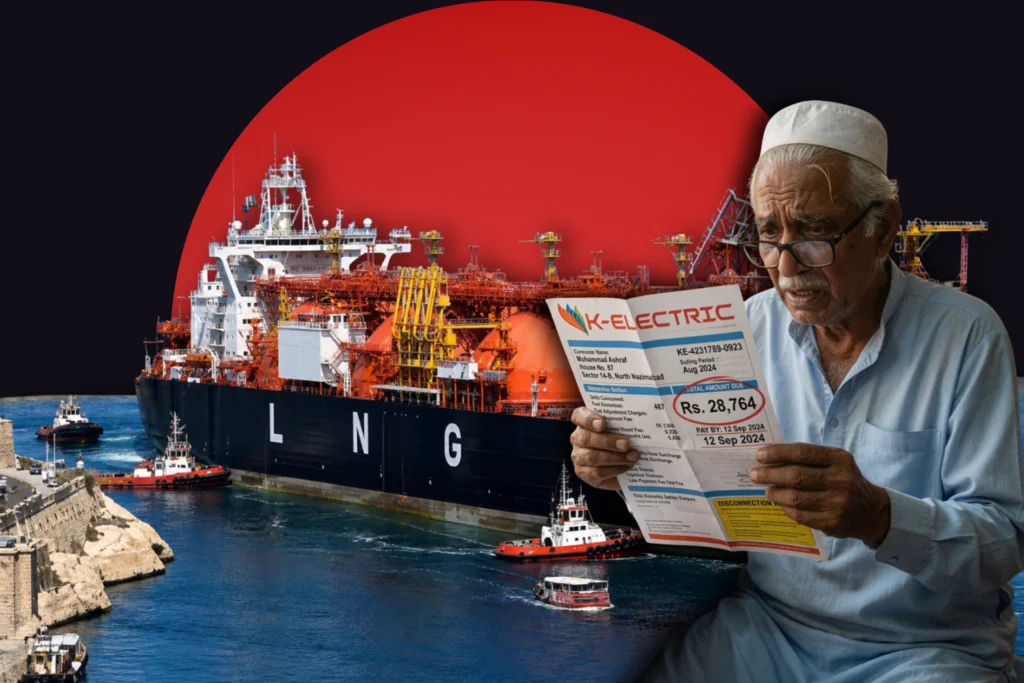
Pakistan’s electricity consumers brace for potential tariff increases of up to one rupee per unit. The hike is linked to emergency gas management strategies during the Persian Gulf crisis.
Regional instability has disrupted LNG imports, compelling authorities to reallocate domestic resources.
Geopolitical Triggers and Supply Chain Disruptions:
The US-Iran war led to Qatar Energy declaring force majeure on LNG supplies in late February 2026. This forced the National Coordination and Management Council to approve indigenous gas supplies to RLNG-based power plants for April, May, and June.
Sui Northern Gas Pipelines Limited diverted substantial volumes from CNG stations to ensure uninterrupted power generation.
Such decisions reflect the government’s priority to maintain electricity supply despite rising costs and payment backlogs.
Proposed Pricing Framework and Payment Mechanisms:
Petroleum Division has recommended charging Rs2,000 per mmBtu for the diverted indigenous gas supplied to power plants. This is lower than prevailing RLNG prices but higher than standard local gas tariffs.
The framework includes establishing escrow accounts for weekly payments to prevent further buildup of circular debt, currently at Rs1.8 trillion in the gas sector.
Power Division concerns center on potential fuel cost adjustments that could burden households and industries if full RLNG rates were applied.
Ogra-notified RLNG prices for recent months reached as high as Rs4,375 per mmBtu, highlighting the cost differential.
Analysts note that without such interventions, power plants might face fuel shortages, leading to load-shedding and economic slowdown.
The proposal also addresses full payment assurances for FY26 LNG supplies, including spot purchases by PLL and PSO.
Reconciliation of receivables between power and petroleum sectors remains a critical pending issue.
Broader implications include pressure on CNG-dependent transport and commercial sectors in Khyber-Pakhtunkhwa.
This episode reveals vulnerabilities in Pakistan’s energy infrastructure and the challenges of managing dual gas and power crises simultaneously.da79b8
Stakeholders call for faster diversification of energy sources, including hydropower, solar, and coal alternatives, to build resilience against future shocks.
The Economic Coordination Committee is expected to deliberate on these measures soon, balancing short-term relief with long-term fiscal discipline.
Public reaction has been mixed, with many expressing frustration over recurring energy price adjustments amid inflation.
Government officials maintain that these steps are necessary to stabilize the energy supply chain during exceptional circumstances.
Enhanced coordination between ministries could pave the way for more sustainable pricing policies in the future.
About The Author