IMF Insists on 18% Sales Tax, Spurns NEV Incentive Proposal.
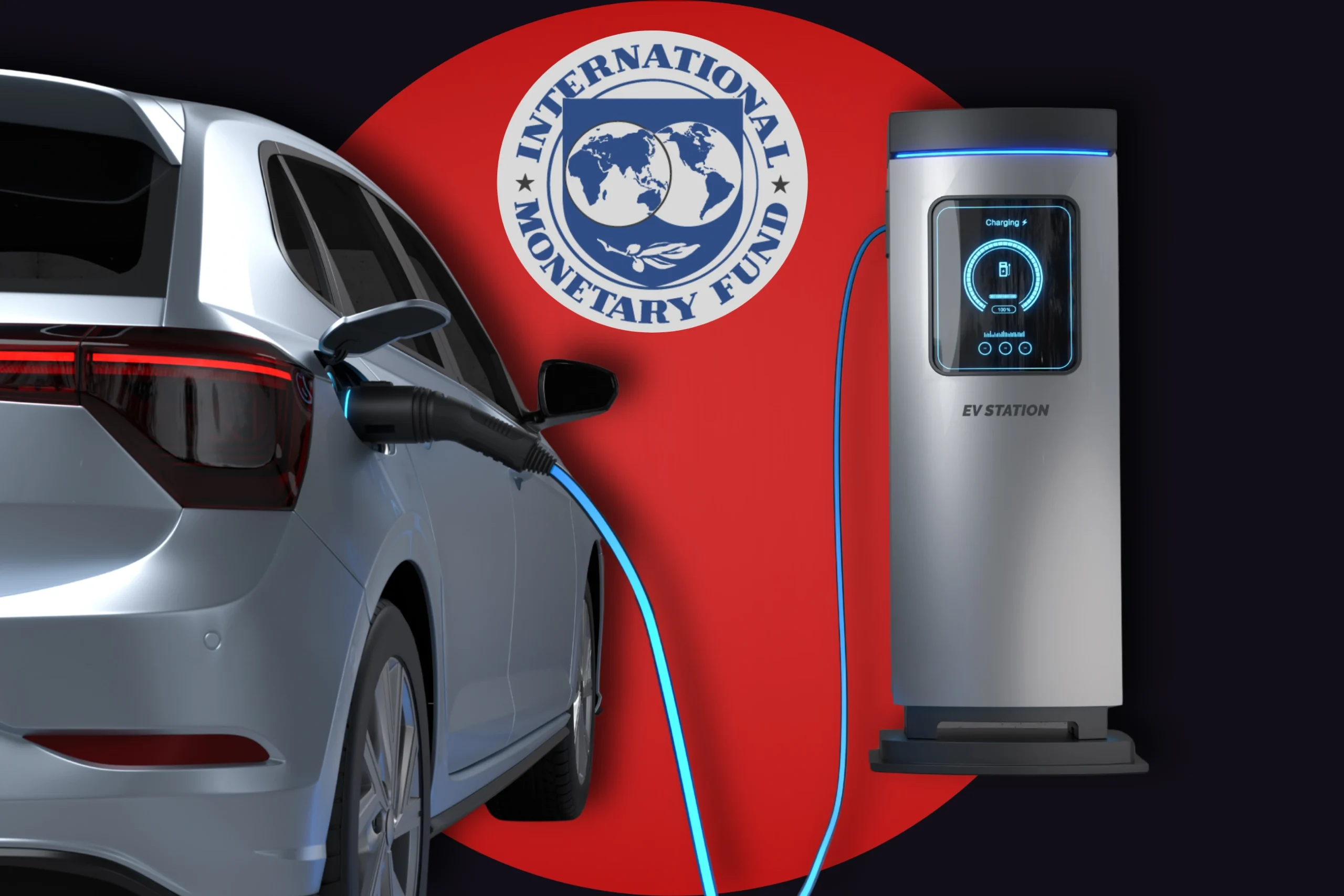
Pakistan’s draft Auto Policy 2026-31 proposes a range of tax concessions and strict localisation targets to accelerate the adoption of new energy vehicles. The proposals have run into reservations from the International Monetary Fund and differences between key ministries, leaving the policy in limbo as the current framework nears expiry. The industry is watching closely for clarity on duties and incentives.
Industry Ministry Proposes Extensive Concessions for NEVs
The Ministry of Industries and Production has recommended a 1% sales tax on the local supply and sale of new energy vehicles for five years. It has also suggested that imports of NEV-specific parts attract only 1% customs duty for the first three years, rising to 5% from the fourth year onwards. Sales tax on the import of these parts would be fully exempted during the policy period.
Further relief includes exemption from federal excise duty, capital value tax and withholding tax on the sale of new energy vehicles throughout the policy duration. To encourage a shift away from conventional vehicles, the draft proposes ad valorem levies on expensive internal combustion engine cars — 5% on vehicles priced Rs15-20 million, 10% on those between Rs20-25 million, and 15% on cars above Rs25 million.
The draft also caps the maximum depreciation rate at 30% for all used vehicles imported into Pakistan, including those older than three years but not more than 50 years from the date of manufacture. These measures are designed to support domestic production and make new energy vehicles more competitive.
Localisation Targets and Inter-Ministerial Differences Persist
A major focus of the draft policy is rapid localisation of vehicle manufacturing. It sets a target of up to 85% domestic value addition for two- and three-wheelers, including L6 and L7 category electric vehicles, by 2030. Companies will be required to localise core components such as battery packs, electric motors and controllers to remain eligible for tariff concessions. Non-compliance could lead to suspension of benefits.
The policy further calls for a gradual phase-out of SRO 655, SRO 656 and SRO 693, along with related exemptions under the Fifth Schedule of the Customs Act, by 2030. The objective is to reduce the weighted average applied tariff to below 6% by June 2030, starting from July 2026.
However, differences have surfaced with the Ministry of Commerce over the pace of duty reduction. The commerce ministry wants to follow the National Tariff Policy’s cap of 15% maximum customs duty by 2030. The industry ministry argues that higher duties on locally assembled vehicles are still needed in the transition period to build scale. Localisation so far remains limited to peripheral, low-tech parts, with high-value components still imported. The industry ministry has faced criticism for seeking concessions while progress on deeper localisation stays slow.
These unresolved issues, combined with the IMF’s feedback on sales tax, have delayed finalisation of the policy.