The JF-17 Export Surge: Can Pakistan’s Production Lines Meet Global Demand?
Listen2 min
Read aloud by your device’s built-in synthetic voice, not a recording. Needs a browser that can read aloud.
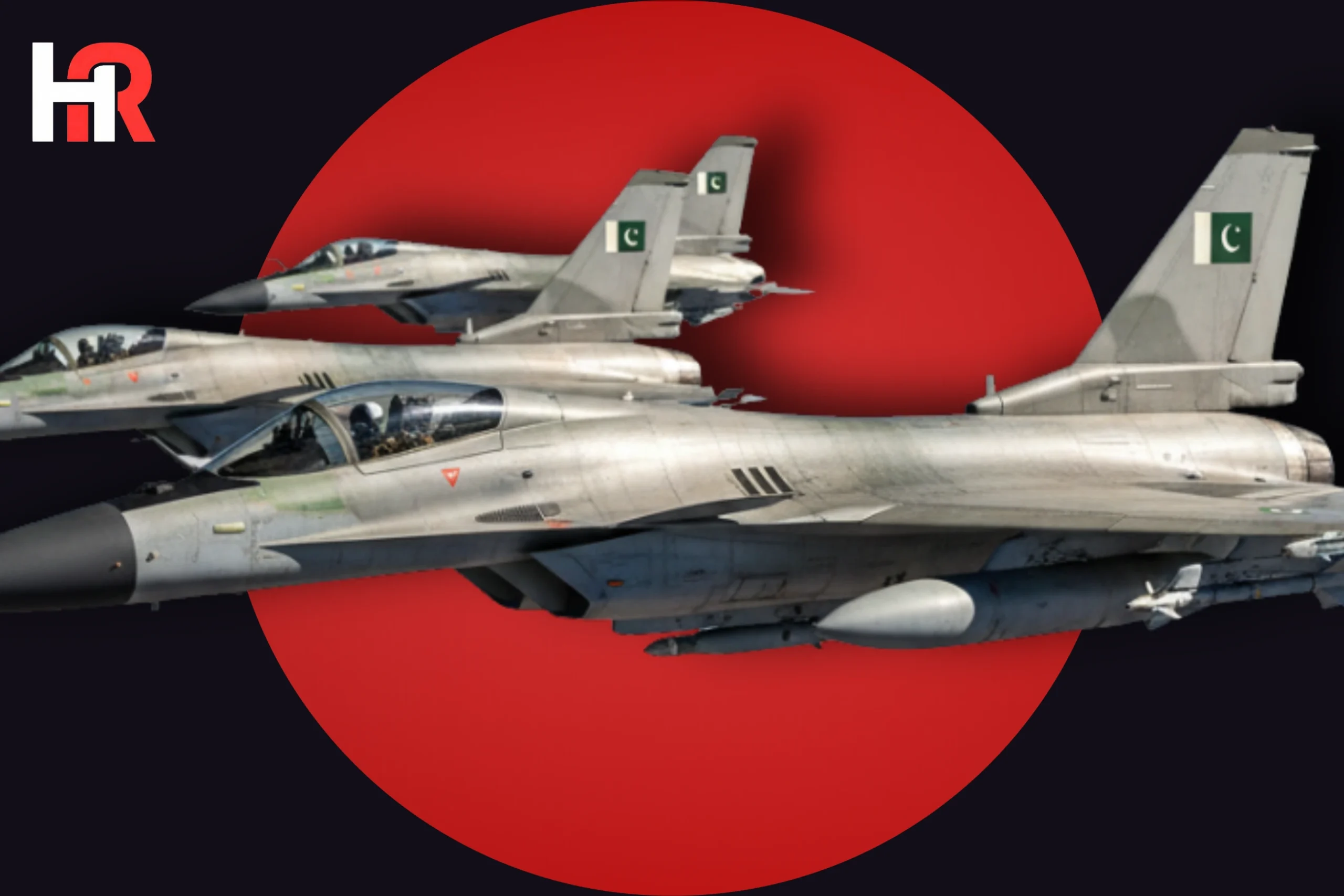
Global Spotlight: The JF-17 Thunder faces a "sweet problem" as export demand from five nations outpaces current production capacity.
Pakistan is currently facing a significant supply bottleneck as international demand for the JF-17 Thunder begins to outpace its current production capacity. The surge in interest follows the aircraft’s celebrated performance during the May 2025 military standoff with India, where it proved to be a lethal and cost-effective alternative to expensive Western fighters.
A Growing List of Buyers
According to reports, at least five nations have recently explored acquiring the jet:
- Saudi Arabia: Reportedly in talks for a $4 billion package, which includes converting existing $2 billion loans into a procurement deal for up to 50 aircraft.
- Libya: Finalized a landmark weapons pact worth over $4 billion, including 16 JF-17 jets and 12 Super Mushshak trainers.
- Iraq, Bangladesh, and Indonesia: All three countries have formally expressed interest in acquiring the multi-role fighter within the last month.
The “Sweet Problem” of Production
While the demand is a major achievement for Pakistan’s defense industry, scaling up remains a challenge:
- Current Capacity: The Pakistan Aeronautical Complex (PAC) currently produces fewer than 20 units annually (typically between 16 and 18 aircraft).
- Domestic vs. Export: Most units are currently reserved for the Pakistan Air Force (PAF), which still needs to replace over 250 aging Mirage and F-7 fighters.
- The “China Factor”: Chinese experts describe this as a “sweet problem,” suggesting that with Beijing’s support, Pakistan can scale up investment and expand assembly lines to meet the sudden influx of orders.