
Macro Crisis: PIDE Reveals Pakistan’s Savings Rate Has Plummeted to a 30-Year Low.
Listen3 min
Read aloud by your device’s built-in synthetic voice, not a recording. Needs a browser that can read aloud.
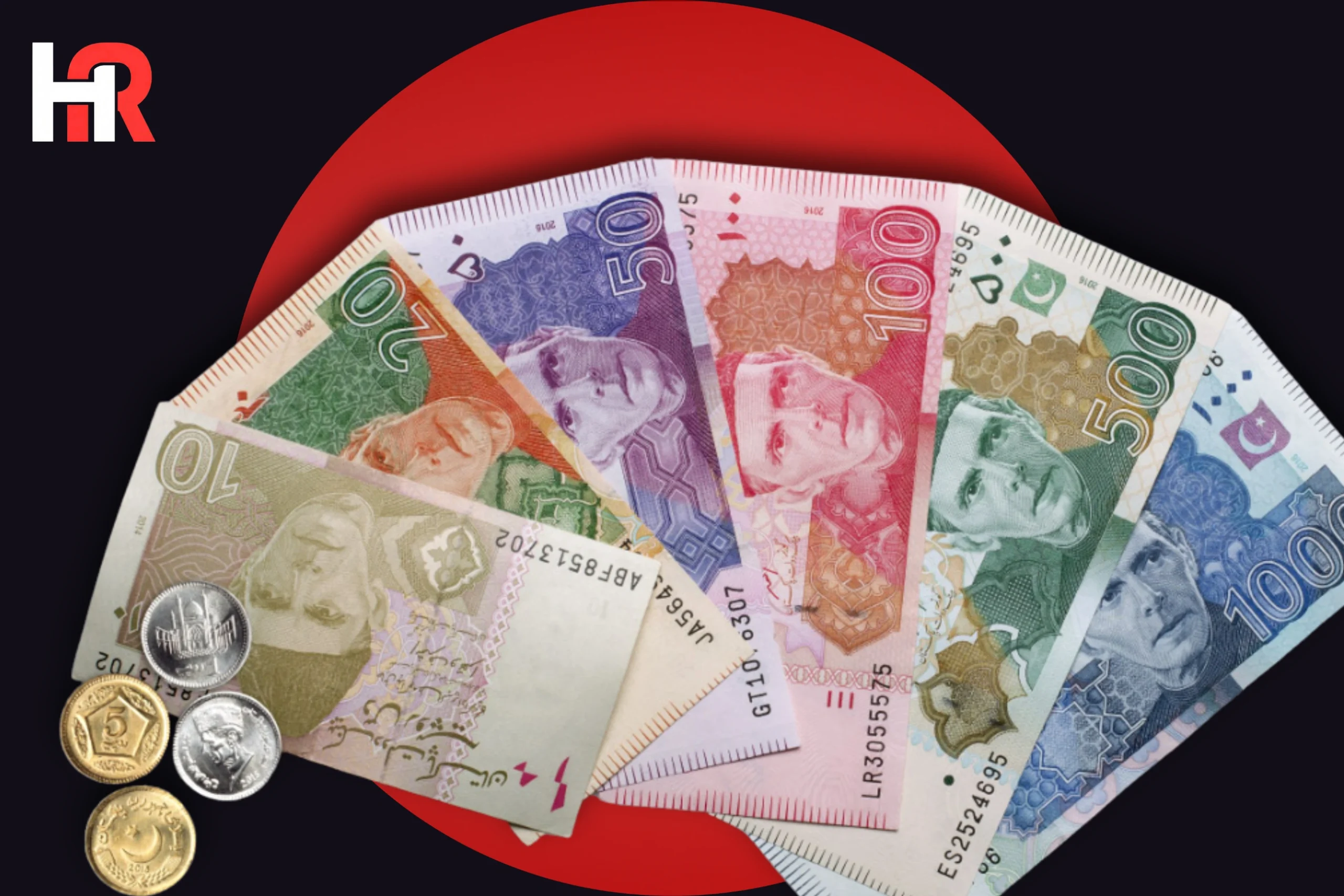
Highlighting a severe, long-term threat to the country’s macroeconomic stability, a comprehensive new report by the Pakistan Institute of Development Economics (PIDE) reveals that Pakistan’s household savings rate has plummeted to a worrying three-decade low.
The Inflation-Consumption Trap
The policy brief, authored by Professor of Economics Dr. S.M. Naeem Nawaz and Research Economist Wajid Islam, delivers a pointed diagnosis of the economic landscape.
The researchers highlight that behind almost every balance-of-payments emergency and multilateral bailout program of the past three decades lies the same structural failure: a nation that has progressively stopped saving.
The core structural causes behind this massive decline include:
- The Inflation-Consumption Trap: With high inflation repeatedly outrunning bank deposit returns, formal saving has become a guaranteed slow loss.
- Capital Flight to Unproductive Assets: To hedge against currency depreciation, household wealth is increasingly locked away in cash, gold, committees, and real estate—informal assets that finance no factories and create no employment.
Regional Disparities in Savings
The report draws a stark comparison between Pakistan’s 30-year savings average of 10.9 percent and its regional peers, showing how the lack of a domestic resource base stunts long-term growth.
| Country | Gross Domestic Savings Rate (30-Year Average) |
| Pakistan | 10.9% (Dropped to 6.4% in 2024) |
| Bangladesh | 20.7% |
| India | 28.4% |
| Vietnam | 30.0% |
Proposing a National Savings Mobilization Package
“For thirty years we have financed our ambitions with other people’s money, and paid for it with recurring crises. The choice is no longer austerity versus growth. It is whether we keep renting our future from foreign creditors, or finally rebuild the domestic savings base that every successful economy has relied on.”
— Dr. S. M. Naeem Nawaz, Co-Author
The proposed package outlines immediate policy interventions:
- Restoring Tax Credits: Redesigning Section 62 of the Income Tax Ordinance to offer capped tax credits for approved long-term savings instruments.
- Expanding Retail Digital Access: Digitizing National Savings products and simplifying Know-Your-Customer (KYC) protocols for small-balance accounts.
- Diversifying Shariah Instruments: Accelerating the issuance of retail Sukuk, voluntary pension schemes, REITs, and regulated gold funds to attract capital locked in the informal grid.