Fiscal Strain: Industry Warns Deficit Cuts in Upcoming Budget Could Drive Utility Prices Up.
Listen3 min
Read aloud by your device’s built-in synthetic voice, not a recording. Needs a browser that can read aloud.
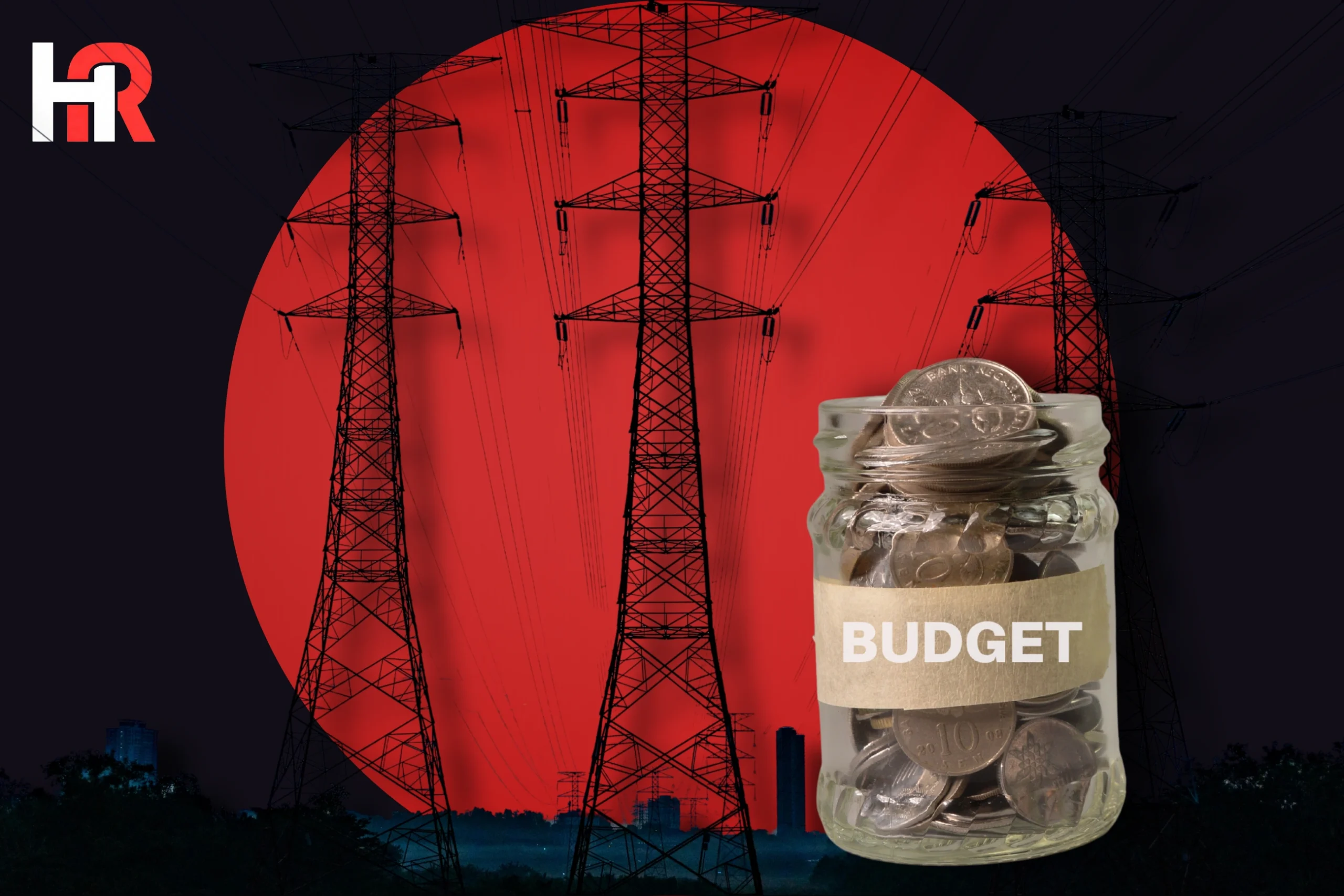
Confronting an existential survival crisis, Pakistan’s manufacturing sector has raised an urgent alarm over upcoming federal budget reforms. Industrial associations warn that the state’s aggressive drive to cut fiscal deficits could trigger a devastating spike in grid electricity and gas tariffs, permanently crippling domestic economic activity.
Faced with a choice between short-term revenue generation and long-term industrial growth, corporate boards are closely monitoring the budget rollout. They warn that uncompetitive utility pricing will lock Pakistani factories out of global export markets, leading to widespread factory closures and severe job losses.
The True Cost of Deficit Reductions
The business community’s primary fear centers on how the government plans to plug its massive fiscal gaps. Historically, structural deficits in the power sector are managed by passing cascading circular debt inefficiencies directly onto industrial consumers via surcharges and fuel cost adjustments.
The prominent industrial and energy concerns raised by economic experts include:
- The Tariff Escalation Trap: Implementing steep upward revisions in base electricity and gas tariffs to satisfy immediate revenue benchmarks, which makes local operational planning impossible.
- Squeezing Export Competitiveness: Depriving cross-border earners—such as textiles, sports goods, and surgical manufacturing—of regionally competitive energy tariffs (RCET), pricing them entirely out of global markets.
- The Industrial Grid Defection Trend: As grid prices surge, viable industrial units are aggressively shifting to captive solar arrays or alternative generation. This leaves fewer consumers on the national grid, causing fixed capacity charges to spiral even higher for those remaining.
- Circular Debt Realities: Trying to patch fiscal shortfalls through pricing increases without executing deep structural reforms across power distribution companies (DISCOs) or tackling heavy line losses.
Demanding a Balanced Fiscal Strategy
“We cannot build a sustainable revenue model by taxing the country’s productive base into extinction. If the upcoming budget prioritizes short-term accounting balances over real utility affordability, the resulting industrial slowdown will actually shrink the long-term tax collection pool.”
Business leaders are urging the Ministry of Finance and energy regulators to explore alternative deficit management routes. Instead of relying on aggressive utility hikes, they recommend expanding the retail tax net, accelerating state-owned enterprise (SOE) privatizations, and implementing the Competitive Trading Bilateral Contract Market (CTBCM) framework to let industries purchase power transparently from independent producers.