Pakistan earns $1.15B from foreign tourists in 2024, while Pakistanis spent an estimated $2.4B abroad, FPCCI

Karachi: The Policy Advisory Board of the Federation of Pakistan Chambers of Commerce & Industry (PAB-FPCCI) today released a pivotal new study titled, “Mapping Pakistan’s Tourism Potential: A Comprehensive Export Analysis.”
The research explores the immense opportunities the tourism sector offers as a driver of exports, economic growth, and employment generation – while identifying the structural challenges currently constraining its international competitiveness.
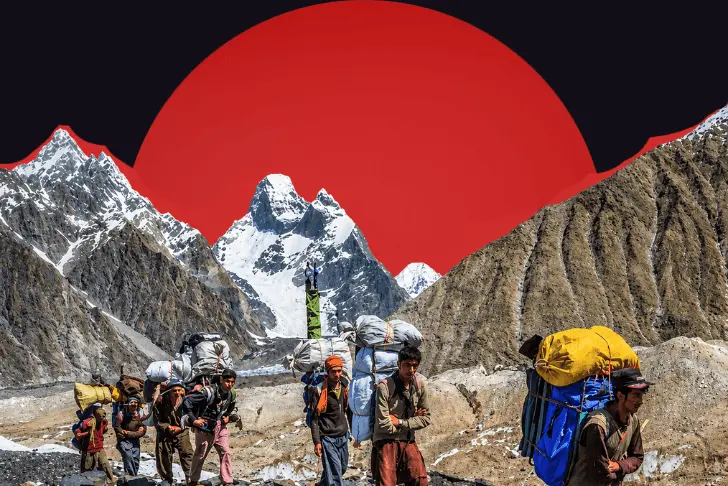
Despite Pakistan’s extraordinary natural beauty, rich cultural heritage, religious landmarks, and adventure tourism potential, the sector requires strategic intervention to fully capitalize on its global appeal.
The comprehensive study by PAB-FPCCI, built on primary data from 213 stakeholders – including tourists, tour operators, the hospitality sector, and government representatives – underscores the strategic economic importance of the Travel and Tourism (T&T) sector.
Key economic indicators highlighted in the report include; GDP and employment as tourism currently contributes approximately 5.9% to Pakistan’s GDP and supports 4.7 million jobs. Whereas, export earnings contribution of the sector in 2024 was USD 1.15 billion as tourism export earnings. Additionally, trade share of tourism exports accounted for 2.9% of Pakistan’s total exports and 14% of its services exports in 2024.
PAB-FPCCI has mapped Pakistan’s tourism demand across eight major categories: Adventure (45%), Religious (22%), Historical (11%), Business (6%), Education (6%), Sports (5%), Dark (3%), and Cruise (2%).
The FPCCI report identifies a substantial imbalance between inbound and outbound tourism spending. While Pakistan earned USD 1.15 billion from foreign tourists in 2024, Pakistani outbound tourists spent an estimated USD 2.4 billion abroad.
Spending behaviors further illustrate the economic potential of attracting international visitors. Foreign tourists spend an average of USD 12.5 per day, with a typical four-to-five-day trip injecting between USD 1,500 and USD 1,750 into the local economy. In contrast, domestic tourists spend an average of USD 8.5 per day, totaling approximately USD 500 per trip.
To bridge this gap and boost foreign inflows, the study isolates critical barriers stifling industry growth as Demand-Side Constraints which refer to inadequate road infrastructure, limited basic amenities, weak digital connectivity, and ongoing safety and security concerns. Whereas, Supply-Side Bottlenecks include unplanned construction, visa complexities, poor international marketing and branding, inconsistent government policies, and severe regulatory hurdles – most notably the requirement of No-Objection Certificates (NOCs) for foreign tourists.
To unlock new avenues for tourism-driven economic growth and improve Pakistan’s standing on the global Travel and Tourism Development Index (TTDI), the FPCCI Policy Advisory Board recommends the immediate implementation of targeted strategies as Regulatory Reforms to simplify visa procedures and ease NOC requirements for foreign visitors.
PAB-FPCCI emphasized digital integration to introduce digital governance systems for surveillance and complaint management, and aggressively promote digital payment infrastructure across tourist hubs. Infrastructure Development stressed to invest in climate-resilient infrastructure and expand roadside facilities to ensure safety and convenience. Whereas, Quality Control mechanism is required to standardize and improve food quality, hygiene, and robust waste management systems in tourist zones.
The effective implementation of these measures is essential for Pakistan to transition from a domestic-heavy tourism market to a competitive global destination, ultimately driving substantial export revenue and economic stability.
 Pakistan
 Pakistan
 Pakistan