Industry Warns Pricing Uncertainty Could Choke $6 Billion Refinery Upgrades.

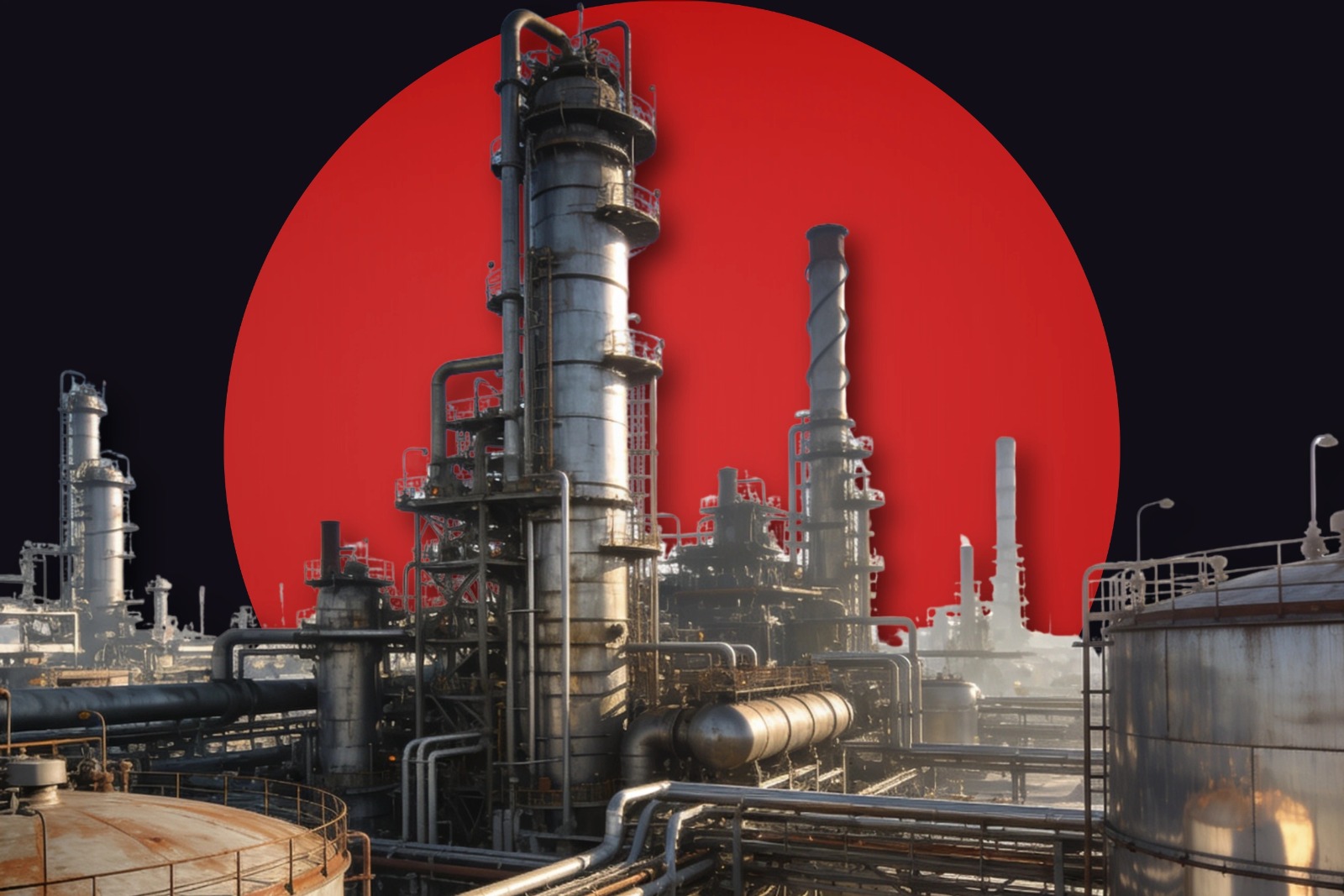
A worsening regulatory standoff between Pakistan’s downstream oil sector and the Oil and Gas Regulatory Authority (OGRA) over rapid alterations to the national petroleum pricing formula has inflicted heavy financial losses and is now threatening to derail over $6 billion in critical brownfield refinery upgrades.
The structural pricing dispute has caused severe operating friction at a time when the government is seeking to lock down long-term energy infrastructure modernization.
Shifting Goalposts and Staggering Losses
Leading oil marketing companies (OMCs) and domestic refineries have accused OGRA of applying inconsistent, unpredictable calculations regarding international product premiums and S&P Global Platts benchmark averages. The industry alleges that the regulatory pricing metrics have shifted arbitrarily, preventing companies from recovering actual import costs.
The direct financial impact of the recent regulatory adjustments has introduced severe volatility to corporate balance sheets:
- The Per-Litre Strain: During a single recent calculation adjustment, the financial burden abruptly shifted by Rs46 per litre on high-speed diesel (HSD) and Rs11 per litre on petrol.
- Cumulative Disputed Variances: Total disputed pricing calculations over the past month have ballooned to nearly Rs75 per litre on diesel and Rs35 per litre on petrol.
- The Sector Hit: The sudden formulaic changes have triggered estimated accumulated losses exceeding Rs100 billion for local refineries, entirely wiping out the sector’s trailing annual profitability in a matter of weeks.
Liquidity Crisis and Stalled Modernization
The ongoing pricing row has triggered an acute working capital and liquidity crisis across the supply chain, worsened by a substantial backlog of Price Differential Claims (PDCs) and withheld funds stuck at OGRA.
Chief executives of both private and state-owned energy firms—which combined control roughly 50% of the domestic fuel market—recently held emergency meetings with Federal Minister for Petroleum Ali Pervaiz Malik and Secretary Petroleum Hamed Yaqoob Shaikh to demand immediate intervention.
Pakistan Refining Sector Crises (Mid-2026)
- OGRA Standoff: Rs100+ Billion lost due to volatile pricing methodologie
- Liquidity Backlog: Multi-billion rupee Price Differential Claims (PDCs) stuck in audit
- Capex at Risk: $6 Billion Brownfield Refinery Policy upgrades on hold
The executive delegation warned that the absolute lack of regulatory predictability has shattered investor trust. The policy volatility directly threatens the execution of the multi-billion-dollar Brownfield Refinery Upgradation Agreements, which are legally required to transform domestic plants, slash low-margin furnace oil production, and transition Pakistan to cleaner, Euro-V standard transport fuels.
Government Intervenes with High-Level Committee
Responding to the industry’s intensifying backlash, Petroleum Minister Ali Pervaiz Malik confirmed that Prime Minister Shehbaz Sharif has officially constituted a high-level committee tasked with auditing the petroleum pricing mechanism to establish structural transparency.
The Ministry of Energy assured the angered executives that upcoming fuel revisions will seek to incorporate actual, verifiable import premiums directly linked to state-run Pakistan State Oil (PSO) shipments.
While the state pushes back on the industry’s timeline for complete pricing deregulation—arguing it must be implemented via a gradual transition from weekly to daily adjustments—officials promised to issue clear directives to OGRA to streamline the verification and release of outstanding industry cash reserves. Analysts warn that unless a legally binding “stability clause” is integrated into upcoming regulatory contracts, foreign and domestic lenders will remain reluctant to finance the country’s grid upgrades.