Oil Flows Through Hormuz Return to Pre-War Levels.

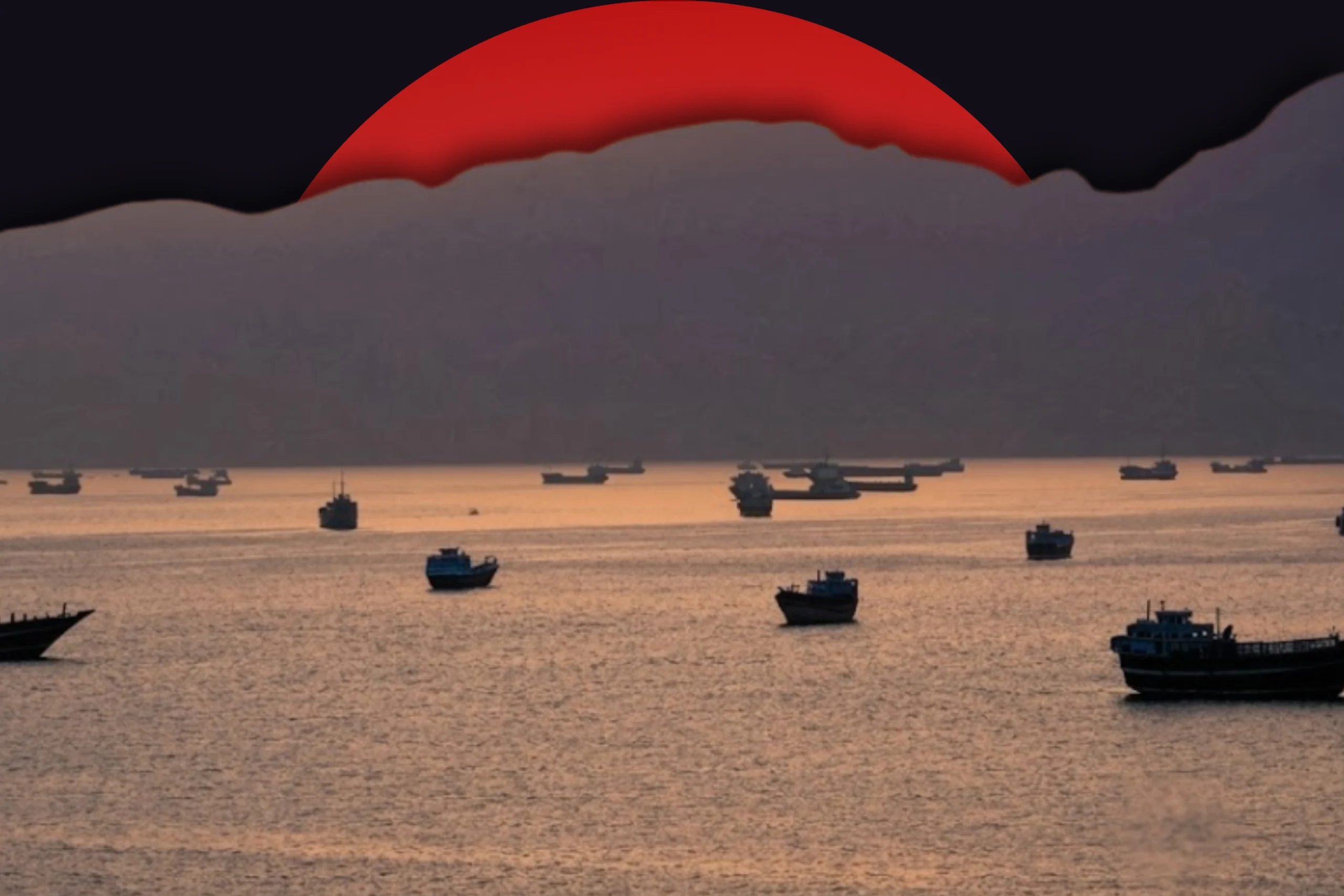
Global energy markets experienced a sweeping relief rally on Thursday as crude oil prices plummeted back to pre-war baselines. The sharp market correction follows official confirmation from Washington that commercial maritime traffic through the vital Strait of Hormuz is rapidly nearing full normal operating capacity after months of severe conflict-driven disruptions.
The sudden influx of supply has effectively erased the steep geopolitical risk premium that had gripped the energy sector since joint U.S.-Israeli military strikes on Iran commenced earlier this year on February 28.
20 Million Barrels Clear the Chokepoint in 24 Hours
Speaking at the Reuters Global Energy Forum in New York, U.S. Energy Secretary Chris Wright provided the definitive data that triggered the market sell-off. Wright revealed that the highly contested waterway—which handles roughly 20% of the world’s total petroleum and liquefied natural gas (LNG) consumption—is once again seeing massive, uninterrupted throughput.
- The Daily Volume: At least 20 million barrels of crude oil successfully exited the strait over a single 24-hour window.
- The Fleet Dynamics: A total of 72 commercial vessels carried the cargo.
- The Transit Strategy: While total ship counts remain slightly lower than traditional historical averages, operators are deploying significantly larger supertankers. Furthermore, under heavy military escort, vessels are actively avoiding central shipping channels due to residual naval mine risks, hugging the Iranian coastline or utilizing a UN-coordinated southern route near Oman instead.
Strait of Hormuz Flow Recovery
├── 24-Hour Throughput: 20 Million Barrels
├── Active Tankers: 72 Vessels (Utilizing larger hull capacities)
└── Escort Matrix: Blended military escort avoiding central mine-risk zones
Rubio’s Gulf Tour: No Tolls on International Waters
The swift physical recovery of energy lanes coincides with an intense diplomatic blitz led by U.S. Secretary of State Marco Rubio. Completing a multi-nation tour of the Persian Gulf intended to solidify support for a controversial preliminary framework deal with Tehran, Rubio issued a stern warning regarding the future governance of the waterway.
Speaking from Bahrain—the strategic headquarters of the U.S. Navy’s Fifth Fleet—Rubio directly addressed reports that Tehran has attempted to exert long-term regulatory control by introducing arbitrary transit permissions and maritime fees.
“The reality of it is that no country on Earth has the right to charge for the use of international waterways. And that will never be an acceptable condition of any deal,” Rubio told Gulf Arab foreign ministers.
While Oman’s foreign ministry mirrored Washington’s stance, insisting that future maritime stability must not rely on tolls, the situation on the water remains tense. Iran’s Revolutionary Guards issued a counter-warning on Thursday, ordering all commercial vessels to follow Tehran-designated routes while flatly rejecting new shipping lanes brokered by Oman and the United Nations as “dangerous and unauthorized.”
Domestic Backlash and Regional Skepticism
Despite the tangible economic victory of lowered oil prices, the broader geopolitical arrangement faces a grueling uphill battle. In Washington, President Donald Trump is confronting fierce resistance from hawkish congressional Republicans who argue that the preliminary framework deal concedes too much ground to a depleted Iranian regime. A contentious Senate vote recently blocked attempts to legally restrict presidential war powers over the theater.
Concurrently, traditional U.S. allies in the Gulf remain deeply skeptical of the architecture of the truce. Middle Eastern capitals have expressed severe anxiety that the accord’s proposed $300 billion reconstruction fund could inadvertently allow Iran to rebuild its conventional military infrastructure. The dynamic sets up a high-stakes, 60-day window of secondary diplomatic talks focused entirely on resolving unresolved nuclear proliferation limits and regional security guarantees.