KATI Urges Government to Explore Importing Iranian Oil and Gas in Local Currency
Listen3 min
Read aloud by your device’s built-in synthetic voice, not a recording. Needs a browser that can read aloud.
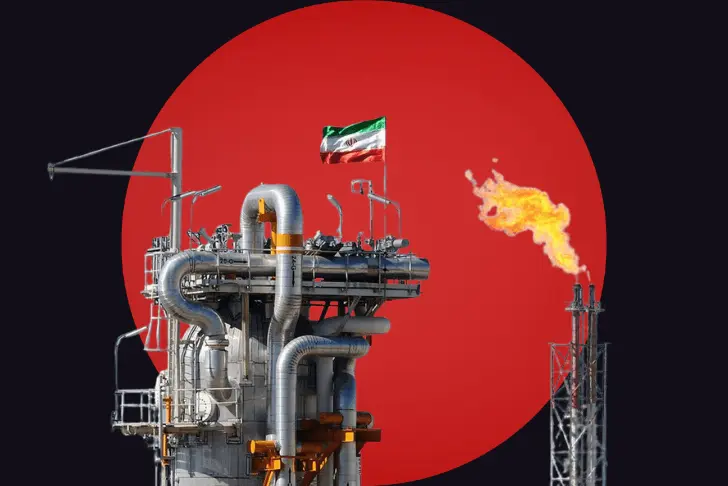
KARACHI: President of the Korangi Association of Trade and Industry (KATI), Muhammad Ikram Rajput, has called on the Government of Pakistan to seriously examine the possibility of importing low-cost oil and gas from Iran through local currency transactions, saying such a move could help meet the country’s energy requirements at a lower cost, reduce pressure on foreign exchange reserves, and strengthen the national economy.
Rajput said Pakistan should move swiftly to capitalize on any potential easing of sanctions on Iran following the ongoing negotiations between the United States and Iran. He emphasized that, as an energy-importing country, Pakistan requires reliable access to affordable sources of oil and gas to support its industrial, agricultural, transportation, and domestic sectors.
He said establishing a mutually beneficial trade mechanism with Iran based on local currency settlements would not only lower the country’s import costs but also strengthen economic cooperation between the two neighboring Islamic countries.
Referring to recent developments in the global energy market, Rajput said regional tensions and retaliatory strikes had created uncertainty, leading to an increase in international crude oil prices. However, with global oil prices now showing signs of easing, he urged the government to ensure that the benefits of lower international prices are passed on promptly to Pakistani consumers, industries, and businesses.
The KATI president said Pakistan’s electricity, gas, and overall energy costs remain among the highest in the region, making local industries less competitive and increasing production costs for exporters. He noted that high energy prices continue to place an additional financial burden on businesses and undermine the country’s export competitiveness.
Rajput said access to affordable energy would help increase industrial output, improve export performance, create employment opportunities, and encourage both domestic and foreign investment. He added that reducing energy costs would strengthen Pakistan’s manufacturing sector and contribute to broader economic growth.
He urged the government to evaluate all available energy options and opportunities for regional economic cooperation in the national interest, enabling Pakistan to benefit from lower-cost energy supplies while accelerating its path toward economic stability.
Expressing optimism, Rajput said he hoped the government would adopt pragmatic and forward-looking energy policies that would help reduce inflationary pressures, provide affordable energy to industry, and pave the way for sustainable economic growth.