SNGPL Burdened by Rs819 Billion, Seeks Sovereign Guarantee Extension as Circular Debt Mounts
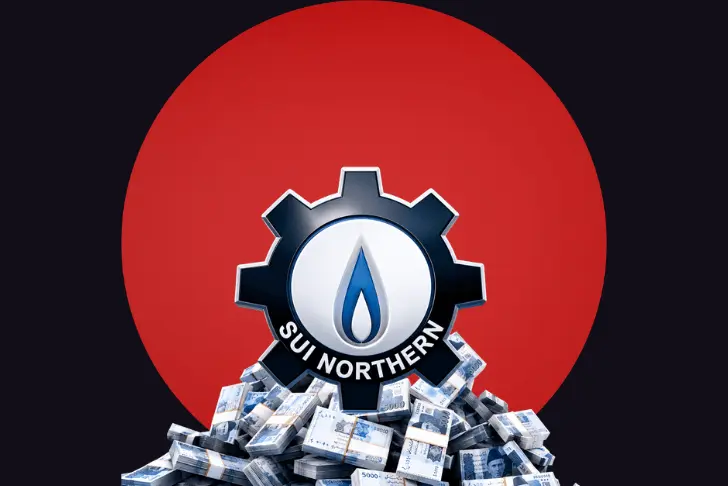
ISLAMABAD: Efforts to address Pakistan’s longstanding gas sector circular debt are gathering pace, with Sui Northern Gas Pipelines Limited (SNGPL) remaining at the center of the issue as it continues to deal with the financial impact of past pricing and gas allocation policies.
The accumulation of circular debt in the gas sector began in the 2013 financial year after successive governments either avoided or delayed revisions in consumer gas prices. As a result, the Sui companies were unable to recover the full cost of gas purchased from producers, leading to a steady build-up of outstanding receivables over the years.
By December 2025, SNGPL’s total receivables had reached Rs1.095 trillion, reflecting the scale of the financial challenge facing the utility. Of this amount, the late payment surcharge alone stood at Rs931 billion, while primary receivables totaling Rs819 billion were linked to tariff differentials and the diversion of Re-gasified Liquefied Natural Gas (RLNG).
According to SNGPL, the gap emerged because gas prices remained frozen for extended periods while costly RLNG was supplied to the domestic sector at rates below its actual cost. This pricing mechanism prevented the company from recovering its expenses and significantly contributed to the accumulation of circular debt.
Although consistent gas price revisions introduced since November 2023 have helped curb the further build-up of circular debt, the financial burden on the company continues to rise due to increasing interest costs on accumulated liabilities.
The Petroleum Division has already highlighted these challenges before the country’s economic decision-making body, noting that while recent tariff revisions have helped contain additional circular debt, SNGPL still lacks the financial resources required to retire previously accumulated liabilities.
The company said these broader financial constraints continue to affect its ability to pay gas suppliers on time and service its outstanding loans, underscoring the need for a comprehensive solution to restore financial sustainability across the gas value chain.
To address the issue, the Petroleum Division, in collaboration with the Task Force on Power Reforms and consulting firm KPMG, has prepared a Gas Circular Debt Management Plan (GCDMP) aimed at resolving the accumulated liabilities in a structured manner.
The plan was presented to the International Monetary Fund (IMF) in March 2026 and was shared again in May 2026 to respond to additional queries raised by the lender. The Petroleum Division is currently awaiting the IMF’s final response.
According to the third review of the IMF’s Extended Fund Facility (EFF), the Petroleum Division has developed the GCDMP, which is expected to be implemented during fiscal year 2027 after obtaining the necessary approvals.
The proposed plan is intended to address the accumulated liabilities in a structured manner while improving the financial viability of SNGPL and strengthening the overall gas sector. SNGPL has reiterated that although recent gas price revisions have helped contain further growth in circular debt, they have not generated sufficient funds to clear previously accumulated dues.
Stakeholders remain hopeful that a positive response from the IMF will pave the way for government approvals, allowing the Gas Circular Debt Management Plan to move forward during the coming fiscal year.
The planned implementation is expected to mark an important step toward resolving the chronic financial issues affecting Pakistan’s gas sector while supporting a more sustainable and efficient gas value chain.