SBP Estimates Pakistan’s Climate Finance Needs at $331 Billion by 2030

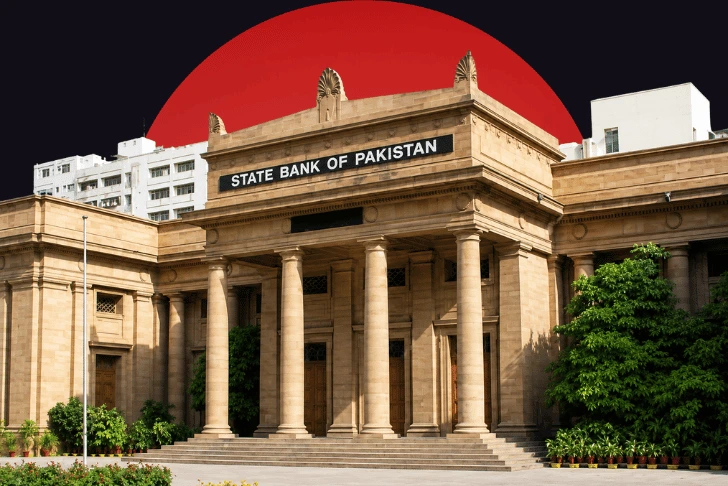
KARACHI — Pakistan will require an estimated $331 billion in climate financing between 2024 and 2030 to build resilience against intensifying environmental risks and avert massive economic losses, according to the State Bank of Pakistan (SBP).
The central bank noted that the financing requirement, based on assessments by the Climate Policy Initiative (CPI), amounts to roughly 10% of the South Asian nation’s cumulative gross domestic product (GDP). This translates to a staggering funding gap of approximately $47 billion annually over the six-year period.
The projections underscore the severe financial burden facing the country. According to the data highlighted by the SBP, Pakistan ranks as the 15th most affected nation globally by extreme climatic events between 1995 and 2024.
Despite contributing a negligible fraction to global greenhouse gas emissions, Pakistan has faced a series of devastating, climate-induced disasters in recent years. Unprecedented torrential rains, accelerated glacial melting, severe river flooding, and sudden, extreme heatwaves have heavily impacted its agriculture, infrastructure, and overall macroeconomic stability.
The SBP report highlights that securing the $331 billion investment is critical not only for climate mitigation but also for urgent adaptation measures to strengthen infrastructure and prevent structural economic destabilization.
To address the growing systemic threat, the State Bank has increasingly integrated climate risk into its core regulatory frameworks, identifying “Climate Change” as a primary cross-cutting theme under its Vision 2028. The central bank has been pushing the domestic financial sector to adopt green banking guidelines, scale up sustainable finance, and integrate environmental risk management into core credit policies.
However, current climate finance inflows remain drastically below the required levels. While Pakistan has committed to reducing its projected emissions by 50% by 2035 under the Paris Agreement, a significant portion of this target remains highly conditional on the provision of international grant-based or concessional financing. Policymakers continue to warn that without a massive mobilization of both public and private capital, the widening climate finance gap will leave the country highly vulnerable to future climate shocks.
 Pakistan
 Pakistan
 Pakistan