
AI Race Moves Beyond Chips as Power Infrastructure Becomes the New Battlefield.
Listen2 min
Read aloud by your device’s built-in synthetic voice, not a recording. Needs a browser that can read aloud.
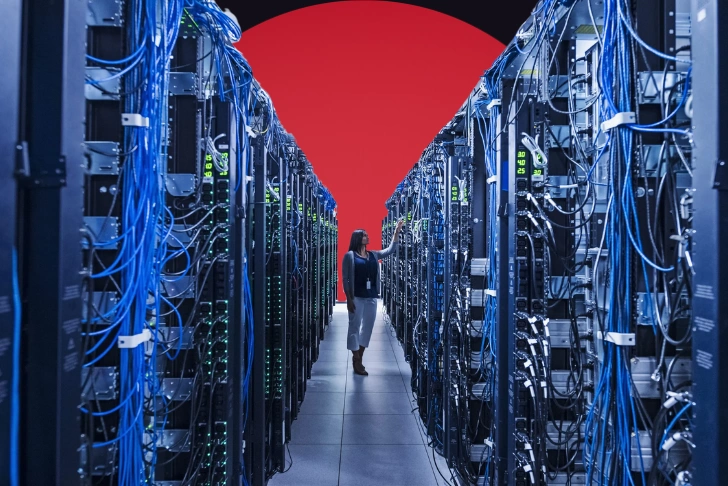
The rapid expansion of artificial intelligence (AI) infrastructure is creating a new challenge for the U.S. energy sector, as power companies struggle to secure critical grid equipment needed to support a surge in electricity demand from data centers.
Utilities and developers are facing shortages of essential components including large transformers, circuit breakers and switchgear — equipment required to connect new facilities to the electricity grid. Some equipment lead times have stretched to more than three years, increasing project costs and delaying new capacity.
The Grid Strain from High-Density Data Centers
The growing demand is being driven by AI-focused data centers that require massive amounts of continuous electricity to train and operate advanced models. According to Wood Mackenzie estimates cited by Reuters, U.S. data center capacity could rise from around 24 gigawatts (GW) currently to 110 GW by 2030 under accelerated growth scenarios.
The challenge is not only generating more electricity but also expanding the physical infrastructure required to deliver it. Power companies are now ordering equipment years in advance, securing manufacturing slots, sourcing components globally and refurbishing older infrastructure to meet rising demand.
Small Utilities Vulnerable to Constrained Supply Chains
Smaller utilities are particularly affected as limited supplier options and higher prices make it harder to compete for equipment.
Industry players are also pushing for expanded domestic manufacturing capacity to reduce reliance on constrained global supply chains.
The AI race is increasingly becoming a race for energy infrastructure, with electricity availability, grid capacity and equipment supply emerging as key factors that could determine how quickly the next generation of AI systems can scale.

 Tech & Startups
 Tech & Startups
 Tech & Startups