Canada Prepares Dollar-For-Dollar Tariffs On US Goods After Trade Talks Collapse.
✧ GENERATE BRIEFING +
Trade negotiations between Ottawa and Washington collapsed following disagreements over last-minute U.S. demand modifications, prompting Canada to prepare dollar-for-dollar retaliatory tariffs. The dispute escalated after the United States implemented 50% tariffs on approximately $20 billion worth of Canadian imports including steel, automotive goods, dairy, and consumer products under Section 338 of the Tariff Act of 1930. Prime Minister Mark Carney announced that Canada’s targeted duties will take effect on September 8. The breakdown threatens deeper economic friction across North American supply chains and creates significant headwinds for upcoming USMCA renegotiations.
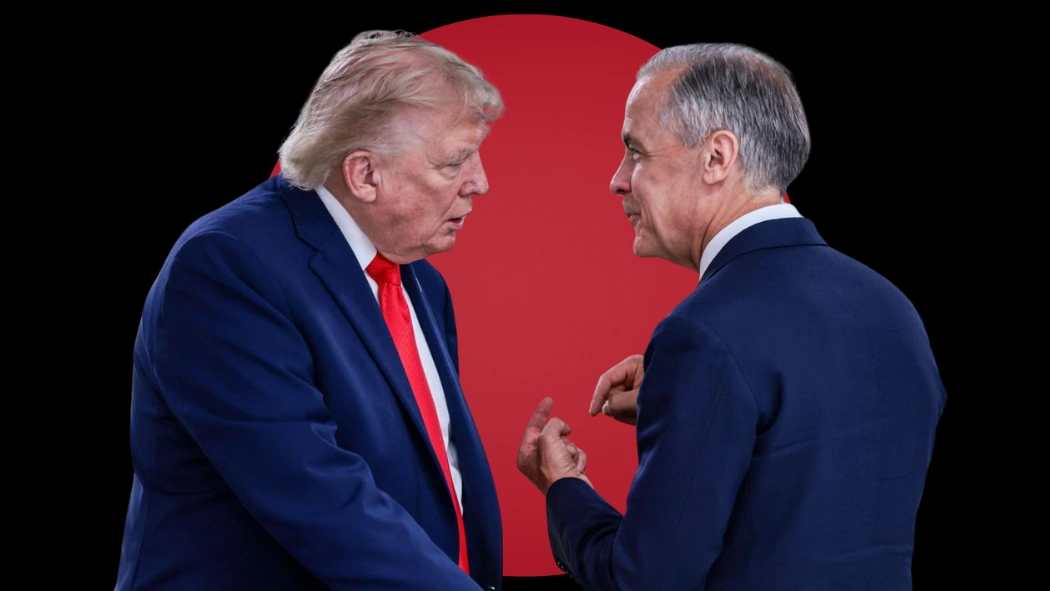
Canada will impose “dollar-for-dollar” retaliatory tariffs on selected U.S. goods after intensive trade negotiations in Washington collapsed, escalating economic tensions between the long-standing cross-border trading partners.
Prime Minister Mark Carney confirmed that Canada’s retaliatory duties will take effect on September 8. The Canadian countermeasures will target a range of U.S. products, including steel, dairy, household appliances, agricultural equipment, pulp and paper, and electronics.
The announcement follows the immediate application of 50% U.S. tariffs on roughly $20 billion in Canadian exports, covering products such as automotive components, wine, furniture, dairy, cement, and sporting equipment. The new U.S. duties took effect over the weekend after Canadian officials suspended bilateral talks.
Disagreements over Proposed Fine Print
Canadian leadership cited last-minute structural alterations by Washington as the catalyst for walking away from the negotiating table. Prime Minister Carney stated that the terms proposed by the U.S. administration were unfair, uneconomic, and fundamentally compromised Canada’s economic sovereignty.
Key sticking points that led to the collapse included:
- Automotive Exceptions: U.S. terms sought to narrow tariff exemptions for vehicles by excluding medium- and heavy-duty commercial trucks.
- Third-Party Trade Restrictions: Washington proposed terms that would restrict Canada’s ability to independently pursue bilateral trade agreements with foreign nations.
- Cultural and Sovereign Protections: Demands raised by U.S. negotiators challenged established domestic protections regarding Canadian language and cultural industries.
In response, U.S. Trade Representative Jamieson Greer stated that Washington offered Canada unprecedented market access terms, asserting that Ottawa derailed the process by introducing new demands and maintaining existing retaliatory measures against U.S. products.
Broader Economic and Cross-Border Risks
The abrupt breakdown presents significant risks to sectors relying on integrated supply chains, including Canadian softwood lumber, steel manufacturing, and automotive production. With nearly 70% of Canadian exports bound for the United States, prolonged friction could slow regional economic activity.
Furthermore, the escalation complicates preparations for the scheduled joint review of the U.S.-Mexico-Canada Agreement (USMCA). Canadian officials have pledged to roll out targeted financial support packages and relief measures for domestic businesses and workers impacted by the tariff measures.