Oil Prices Drop As US Prepares Historic Sanctions Package On Iran.
✧ GENERATE BRIEFING +
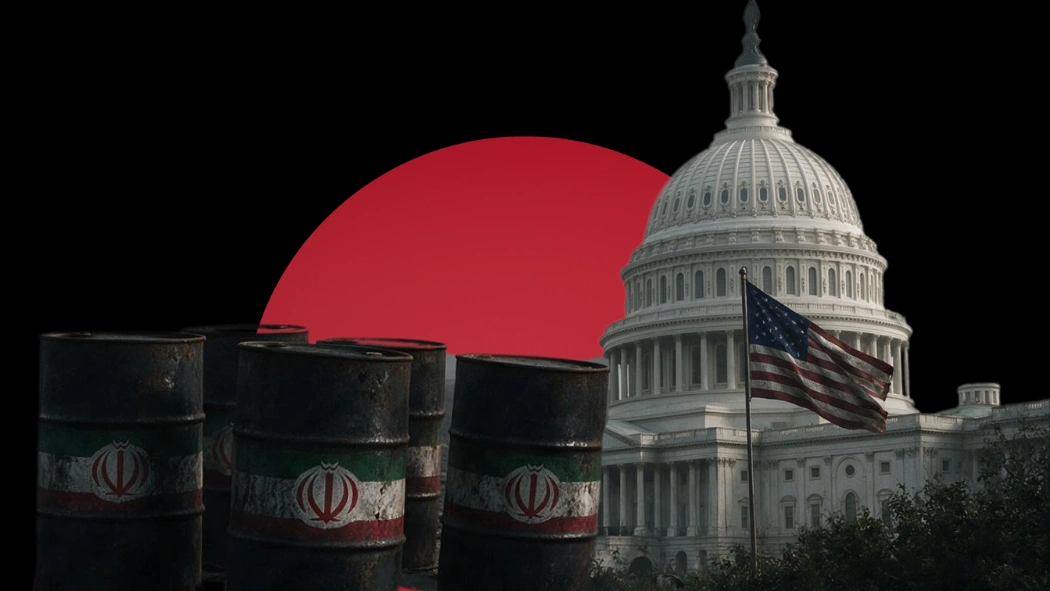
Crude oil prices fell by more than $1 a barrel early Monday as market participants locked in profits following a two-week rally of over 5%. The price pullback comes as traders assess supply risks ahead of a major U.S. Treasury press conference detailing what officials call the "toughest sanctions in history" against Iran. U.S. Treasury Secretary Scott Bessent characterized the forthcoming measures as an "economic D-Day" designed to sever Tehran's remaining global trade lifelines and enforce compliance across international markets. Despite profit-taking in energy markets, underlying physical supply remains tight due to restricted flows through the Strait of Hormuz and declining global onshore crude inventories.
Oil prices slipped more than $1 a barrel early Monday as traders locked in gains ahead of a major U.S. sanctions announcement targeting Iran, while markets evaluated potential disruptions to Middle Eastern energy supply chains.
Brent crude futures fell $1.23, or 1.3%, to $93.16 a barrel, while West Texas Intermediate (WTI) crude dropped $1.36, or 1.6%, to $85.70 a barrel. The decline follows two consecutive weeks of price gains exceeding 5% for both benchmark contracts, driven by stalled U.S.-Iran negotiations and shipping bottlenecks through the Strait of Hormuz.
U.S. Prepares Unprecedented Economic Campaign
U.S. Treasury Secretary Scott Bessent is scheduled to outline the new punitive measures during a press conference at 2:00 PM EDT (18:00 GMT). Describing the package as “the toughest sanctions in history” and an “economic D-Day,” Bessent stated that Washington aims to combine its existing maritime posture with targeted secondary sanctions to restrict Iranian oil flows and isolate Tehran from foreign financial systems.
President Donald Trump previously warned that countries and third-party entities offering economic or commercial lifelines to Iran would face severe economic consequences. While Washington has pressed major buyers like China to curb imports of Iranian crude, Beijing has reiterated its preference for diplomatic resolution over unilateral economic pressure.
Geopolitical Stance and Market Dynamics
Iran has officially rejected the forthcoming sanctions, with Foreign Ministry officials criticizing the pressure campaign while maintaining calls for diplomacy. However, market observers note internal debates within Tehran between moderate figures advocating de-escalation and hardliners pushing for a rigid response.
Despite recent price pullbacks, physical oil availability continues to tighten globally:
- Offshore and Onshore Stocks: Onshore inventories, particularly in China, have drawn down, alongside a sharp contraction in oil-on-water volumes.
- Regional Exports: Middle Eastern export volumes have dipped back toward earlier spring baseline levels, prompting investment banks like Morgan Stanley to adjust supply recovery timelines downward.
- Shipping Constraints: Iranian crude offers to buyers have adjusted upward amid ongoing maritime friction, though Tehran has selectively permitted certain regional vessels to navigate the Strait of Hormuz.
The interplay between tightening physical crude supply and expanding geopolitical measures continues to set the near-term direction for global energy markets.