
Pak-Afghan Border Closures Cause $2.5bn Trade Losses, KCCI Says.
✧ GENERATE BRIEFING +
Prolonged closures along the Pak-Afghan border crossings have resulted in an estimated $2.5 billion in cumulative trade losses, according to Khyber Chamber of Commerce and Industry (KCCI) President Yousaf Afridi. Highlighting the severe economic fallout during a press briefing, Afridi noted that the vital Torkham border has remained shut for a total of 327 days, crippling regional commerce, transport networks, markets, and small-scale industries across Khyber Pakhtunkhwa (KP). The staggering loss breakdown includes $1.644 billion in exports and $817 million in imports, while provincial tax revenues have suffered an estimated Rs7.27 billion shortfall in cess collections. Furthermore, transit trade volumes have plummeted, forcing numerous transport operators, hotels, and local businesses to shut down or scale back operations. Emphasizing the plight of dependent communities, the KCCI chief urged federal authorities to decouple commercial activity from political disputes and establish a viable mechanism to restore uninterrupted cross-border trade.
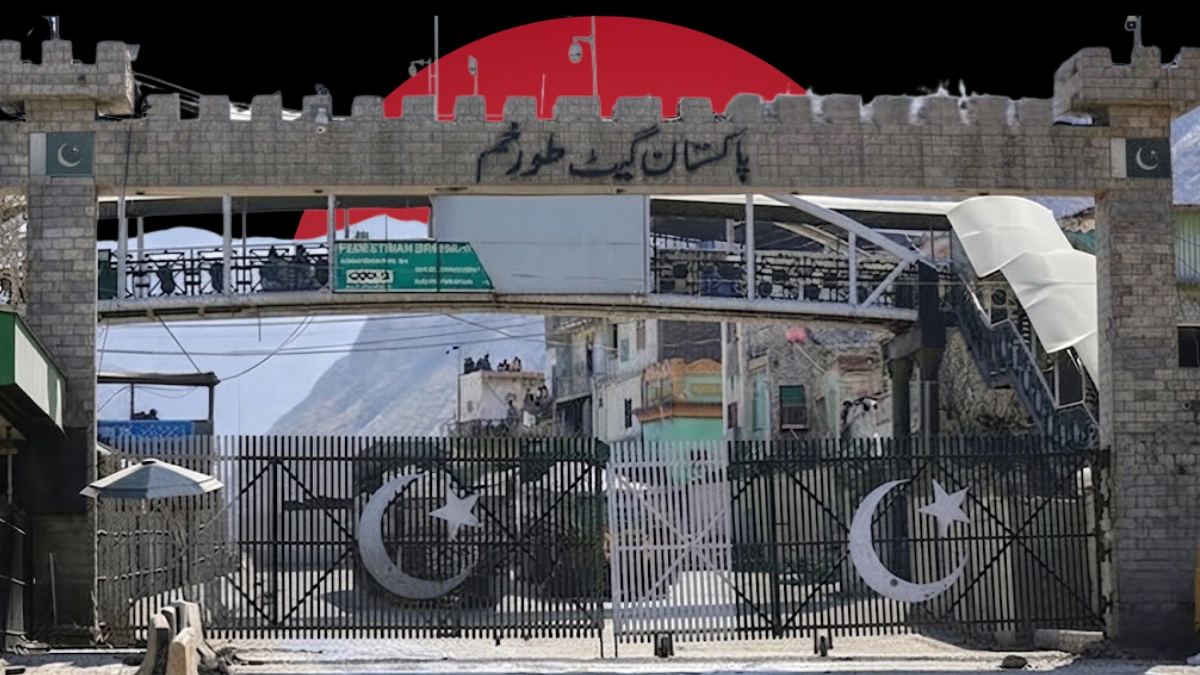
The closure of Pakistan-Afghanistan border crossings has caused an estimated $2.5 billion in trade losses, according to Khyber Chamber of Commerce and Industry (KCCI) President Yousaf Afridi.
Afridi said the Torkham border has remained closed for 327 days, severely disrupting trade, transport businesses, markets and small industries in Khyber Pakhtunkhwa.
He said the estimated losses include $1.644 billion in exports and $817 million in imports. The prolonged shutdown has also affected thousands of workers and businesses dependent on cross-border trade.
According to traders, KP has additionally lost around Rs7.27 billion in cess tax revenue because of the border closure. Transit trade has also suffered significant losses, Afridi said.
The KCCI chief said thousands of transport businesses, hotels and markets had been forced to close or reduce operations, creating financial difficulties for communities dependent on border commerce.
Afridi urged authorities to resolve the issue and called for trade to be kept separate from political disputes, saying traders had repeatedly raised the matter with the government without receiving an effective response.