Kohinoor Energy And Chinese Firm Explore Lithium Battery Manufacturing Plant In Pakistan.
Listen2 min
Read aloud by your device’s built-in synthetic voice, not a recording. Needs a browser that can read aloud.
✧ GENERATE BRIEFING
Kohinoor Energy signed a non-binding MoU with China's Hebei Juhang Energy Technology Group to explore a local lithium-ion battery manufacturing joint venture. Kohinoor Energy Limited (KEL) has announced a strategic expansion into energy-storage technology, signing a non-binding memorandum of understanding (MoU) with China’s Hebei Juhang Energy Technology Group. Disclosed via the Pakistan Stock Exchange (PSX), the partnership aims to establish a joint venture for the local assembly and manufacturing of lithium-ion battery packs and battery energy storage systems (BESS) in Pakistan.The proposed venture will unfold in phases, starting with an initial annual capacity of 50–100 megawatt hours (MWh), with scaling potential targeting up to 1,000 MWh. This move aligns with surging domestic demand for energy-storage equipment as households and industrial consumers increasingly pair solar installations with battery backup to offset high grid tariffs.
Kohinoor Energy Limited (KEL) and China’s Hebei Juhang Energy Technology Group have signed a non-binding memorandum of understanding (MoU) to explore a joint venture for the assembly and manufacturing of lithium-ion battery packs and battery energy storage systems (BESS) in Pakistan.
The companies will also examine the manufacturing, marketing, and sale of related products and electrical equipment under the proposed partnership. KEL formally disclosed the development in a notice to the Pakistan Stock Exchange (PSX).
Phased Production and Project Scope
The proposed manufacturing venture is structured across progressive development phases to match market evolution:
- Initial Capacity: Projected at an annual output of 50–100 megawatt-hours (MWh).
- Medium-Term Expansion: Scaling potential to 300–500 MWh.
- Long-Term Target: Eventual scaling to 700–1,000 MWh contingent on sustained commercial demand and operational viability.
Because the MoU is non-binding, the partnership has not yet reached a definitive contractual stage and remains subject to rigorous due diligence, financial evaluation, regulatory clearances, and the execution of final binding agreements.
Capitalizing on Pakistan’s Solar-Driven Storage Boom
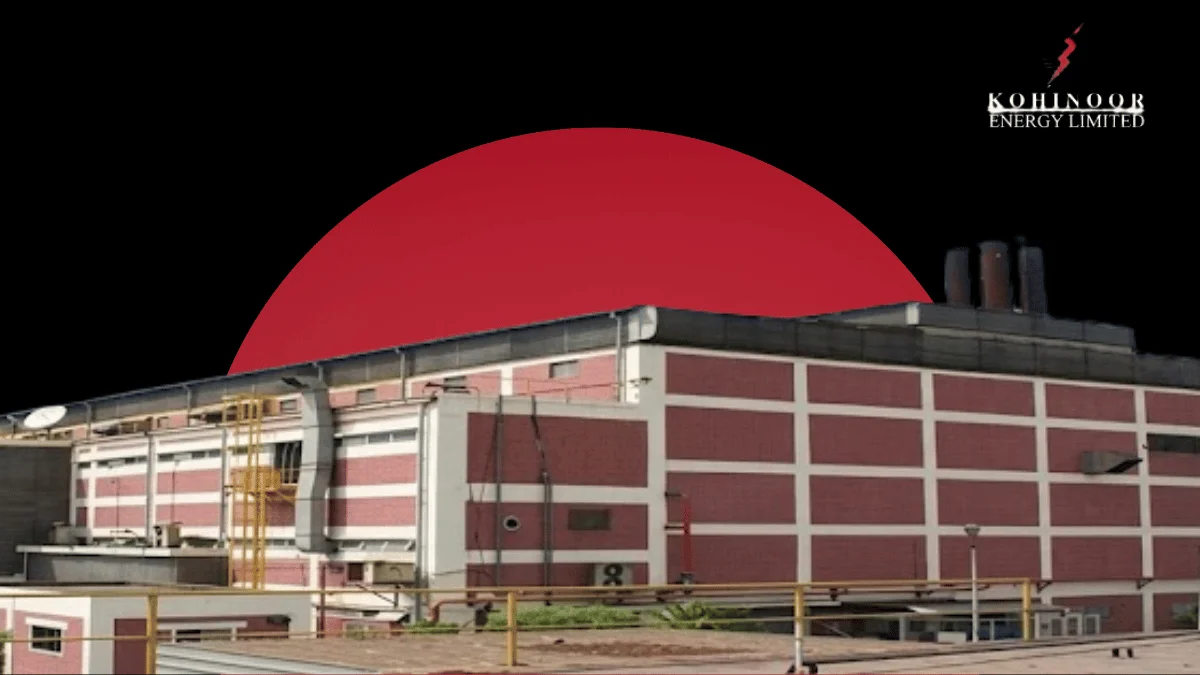
Traditionally operating as an independent power producer (IPP)—managing a 124-megawatt thermal plant in Lahore supplying WAPDA—KEL’s diversification reflects a major strategic shift toward clean energy infrastructure.
The initiative responds directly to changing energy dynamics across Pakistan:
- Surging Storage Demand: High utility tariffs and shifts in net-billing frameworks have driven massive residential and industrial adoption of rooftop solar paired with battery storage.
- Import Substitution: Pakistan’s reliance on imported energy hardware has spiked significantly, evidenced by a nearly 150% surge in battery imports from China.
If finalized, the KEL-Hebei Juhang collaboration could catalyze local manufacturing capabilities, facilitate critical technology transfer, and offer a domestic supply chain alternative for Pakistan’s rapidly expanding energy storage market.