Federal climate secretary tours Dawlance Karachi plant, spotlights industry shift to ozone-safe refrigerator manufacturing
Listen3 min
Read aloud by your device’s built-in synthetic voice, not a recording. Needs a browser that can read aloud.
✧ GENERATE BRIEFING
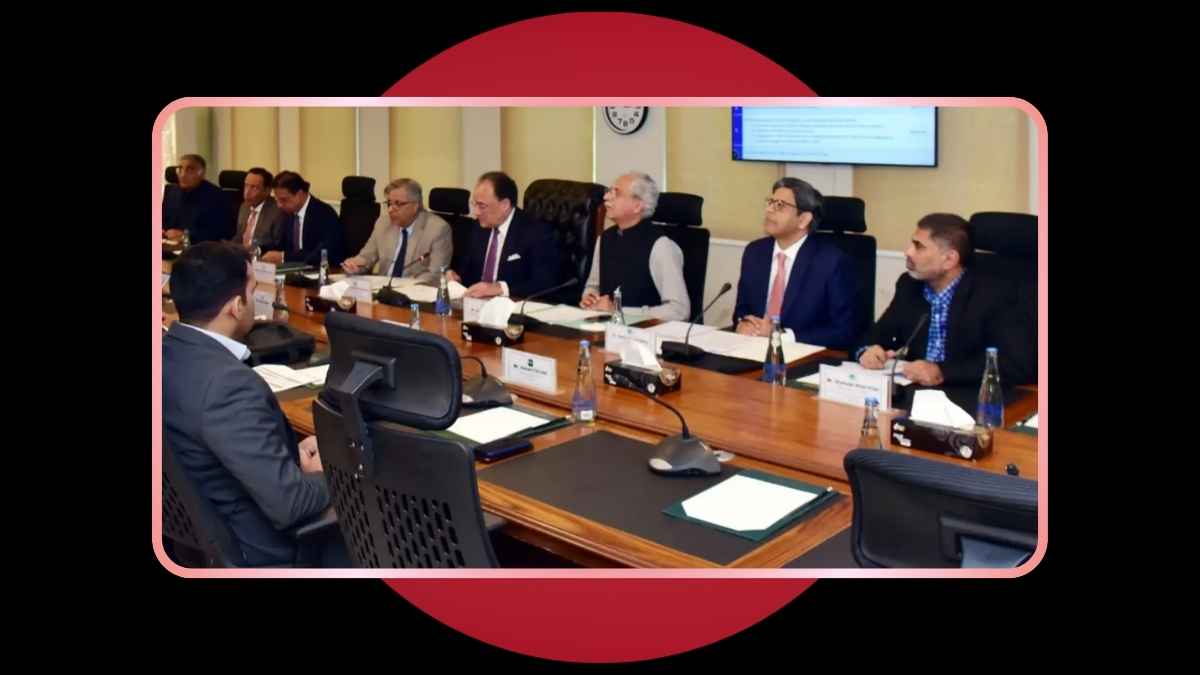
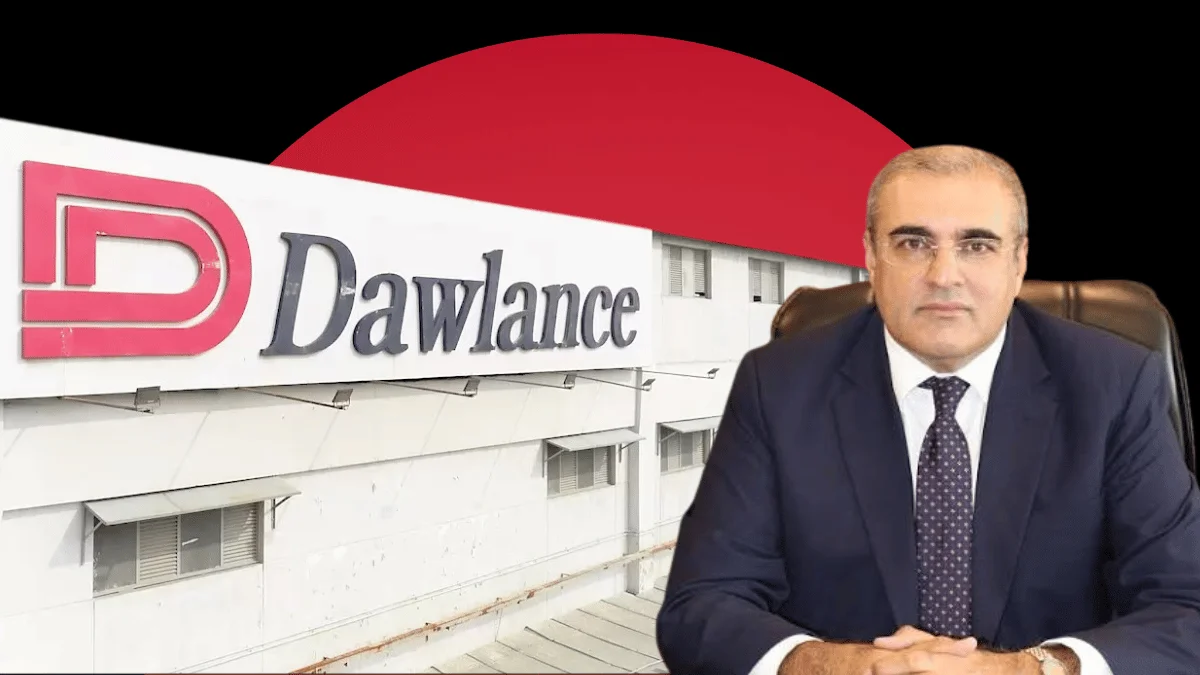
Federal Secretary for the Ministry of Climate Change & Environmental Coordination (MoCC), Awais Manzur Sumra, led a high-level delegation on a formal visit to Dawlance’s DPL1 manufacturing plant in Karachi to inspect the industrial adoption of climate-friendly refrigeration technologies. Accompanied by senior officials including Pak-EPA Deputy Director Dr. Zaigham Abbas, National Ozone Unit Interim Project Manager Syed Azmat Hussain Shah, and Pak-EPA Deputy Director Muhammad Zia Ul Mustafa the delegation reviewed the landmark transition to cyclopentane technology, executed in active collaboration with the United Nations Industrial Development Organization (UNIDO) and the MoCC’s National Ozone Unit. Cyclopentane serves as an advanced, zero-ozone-depleting blowing agent for refrigerator insulation foam, boasting a negligible global warming potential that directly aids Pakistan in fulfilling its binding international obligations under the Montreal Protocol. Dawlance Chief Executive Officer Umar Ahsan Khan welcomed the delegation, emphasizing that corporate sustainability remains an absolute operational responsibility rather than an optional choice.
Federal Secretary, Ministry of Climate Change & Environmental Coordination (MoCC), Mr. Awais Manzur Sumra, visited Dawlance’s DPL1 manufacturing facility in Karachi on Thursday, 24 September 2026, to review the company’s transition to climate-friendly refrigerant and insulation technologies, a key part of Pakistan’s efforts to protect the ozone layer and reduce climate-warming emissions.
The Secretary was accompanied by Dr. Zaigham Abbas, Deputy Director (Labs/NEQs), Pak-EPA; Syed Azmat Hussain Shah, Interim National Project Manager, National Ozone Unit (NOU), MoCC; and Mr. Muhammad Zia Ul Mustafa, Deputy Director (Admin), Pak-EPA, Islamabad.
Cyclopentane Adoption and UNIDO Partnership
At the centre of the visit was Dawlance’s conversion to cyclopentane technology, undertaken with the financial and technical assistance of the United Nations Industrial Development Organization (UNIDO) and the NOU at MoCC. Cyclopentane, used in the insulation foam of refrigerators and freezers, has zero ozone-depleting potential and a negligible global warming potential compared with the chemicals it replaces. The delegation took keen interest in the project, which demonstrates how collaboration between government, international development partners and the private sector can deliver environmental gains at industrial scale.
Commenting on the visit, Mr. Umar Ahsan Khan, Chief Executive Officer, Dawlance, said: “Sustainability is not a choice for manufacturers today; it is a responsibility we owe to our consumers and to future generations. Our transition to cyclopentane shows what Pakistani industry can achieve when government, international partners and the private sector work towards a shared goal, and we are grateful to the Ministry of Climate Change & Environmental Coordination, the National Ozone Unit and UNIDO for their partnership. At Dawlance, we will keep investing in cleaner technologies, more energy-efficient appliances and responsible manufacturing, so that every product we make contributes to a greener Pakistan.”
Broader Sustainability Agenda
During a detailed briefing, the delegation was taken through the environmental and climate implications of refrigerant use and the measures Dawlance has built into its manufacturing operations to support the national phase-down of ozone-depleting and high-global-warming-potential substances. The presentation also covered the company’s wider sustainability agenda across its manufacturing plants, including emissions reduction, energy efficiency and resource conservation.
Dawlance reaffirmed its commitment to supporting Pakistan’s climate and environmental objectives through responsible refrigerant transition and sustainable manufacturing practices.