Pakistan Launches National Housing Policy 2025 After 25 Years
Listen3 min
Read aloud by your device’s built-in synthetic voice, not a recording. Needs a browser that can read aloud.
✧ GENERATE BRIEFING
Ending a quarter-century policy vacuum, the Ministry of Housing and Works, in active collaboration with UN-Habitat Pakistan, has officially unveiled the National Housing Policy 2025 on World Habitat Day 2026. Formally launched by Federal Minister for Housing and Works Mian Riaz Hussain Pirzada during a high-profile ceremony at the National University of Sciences and Technology (NUST) in Islamabad, the updated framework addresses Pakistan’s massive 13 million housing unit deficit by expanding affordable home supplies, securing land tenure, upgrading informal settlements, and broadening institutional housing finance. Minister Pirzada emphasized that immediate priorities will focus on turning policy objectives into ground-level results, spotlighting the flagship Wazir-e-Azam Apna Ghar Programme – Ghar Ho Tu Apna—personally monitored by Prime Minister Muhammad Shehbaz Sharif—which has already disbursed Rs65 billion to first-time homebuyers.Addressing the nexus between sustainable urbanization and climate vulnerability, Federal Minister for Climate Change and Environmental Coordination Dr. Musadik Masood Malik noted that the framework incorporates robust climate-resilient construction guidelines.
The Ministry of Housing and Works, in collaboration with UN-Habitat Pakistan, launched the National Housing Policy 2025 on Monday, marking Pakistan’s first major national housing policy update in nearly 25 years.
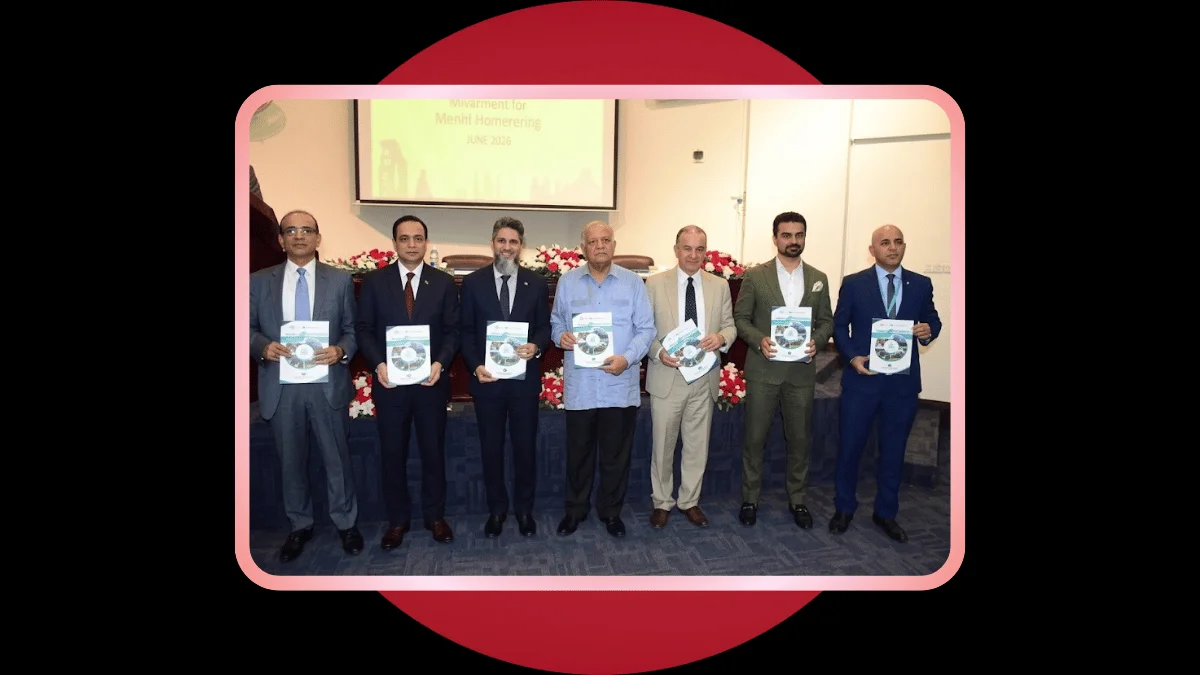
The policy was formally unveiled by Federal Minister for Housing and Works Mian Riaz Hussain Pirzada at a ceremony held at the National University of Sciences and Technology (NUST), Islamabad, coinciding with World Habitat Day 2026.
The updated framework aims to address Pakistan’s growing housing and urban development challenges by increasing the supply of affordable homes, improving land tenure security, expanding access to housing finance and upgrading informal settlements.
Implementation and Financial Support
Speaking at the event, Pirzada said the priority following the policy’s launch would be translating its objectives into tangible results. He said the framework provides a renewed national approach to expanding access to adequate and affordable housing while promoting sustainable and resilient human settlements.
The minister highlighted the Wazir-e-Azam Apna Ghar Programme – Ghar Ho Tu Apna, describing it as a key component of the policy’s action plan. He said Rs65 billion has so far been disbursed to first-time homebuyers under the programme, with Prime Minister Muhammad Shehbaz Sharif personally monitoring its implementation.
Federal Minister for Climate Change and Environmental Coordination Dr Musadik Masood Malik said the housing policy also addresses the connection between housing, climate resilience and sustainable urbanisation. He noted that Pakistan faces a housing deficit of approximately 13 million units, which continues to widen.
Malik also highlighted the government’s housing finance policy, saying it provides up to 90% financing/equity support for home ownership. According to him, the measure is intended to improve access to housing for low- and middle-income households.
Institutional Collaboration and Urban Goals
UN-Habitat Pakistan Country Programme Manager Waqar Syed said adequate housing should be viewed beyond simply providing shelter, describing it as a foundation for dignity, opportunity and resilient communities. He reaffirmed UN-Habitat’s support for Pakistan in strengthening housing institutions and developing inclusive housing solutions.
Federal Secretary Housing and Works Capt. (R) Muhammad Mahmood stressed the need for sustained institutional coordination and cooperation among government agencies, development partners, academia and other stakeholders to ensure effective implementation of the policy.
The launch coincided with World Habitat Day 2026, observed on October 5 under the theme “Adequate Housing for All.” The new policy is expected to serve as the federal framework for addressing Pakistan’s housing shortage while linking housing development with urban planning, affordability, climate resilience and access to finance.