Ahsan Iqbal Calls Education, Health And Skills A ‘National Emergency’
Listen3 min
Read aloud by your device’s built-in synthetic voice, not a recording. Needs a browser that can read aloud.
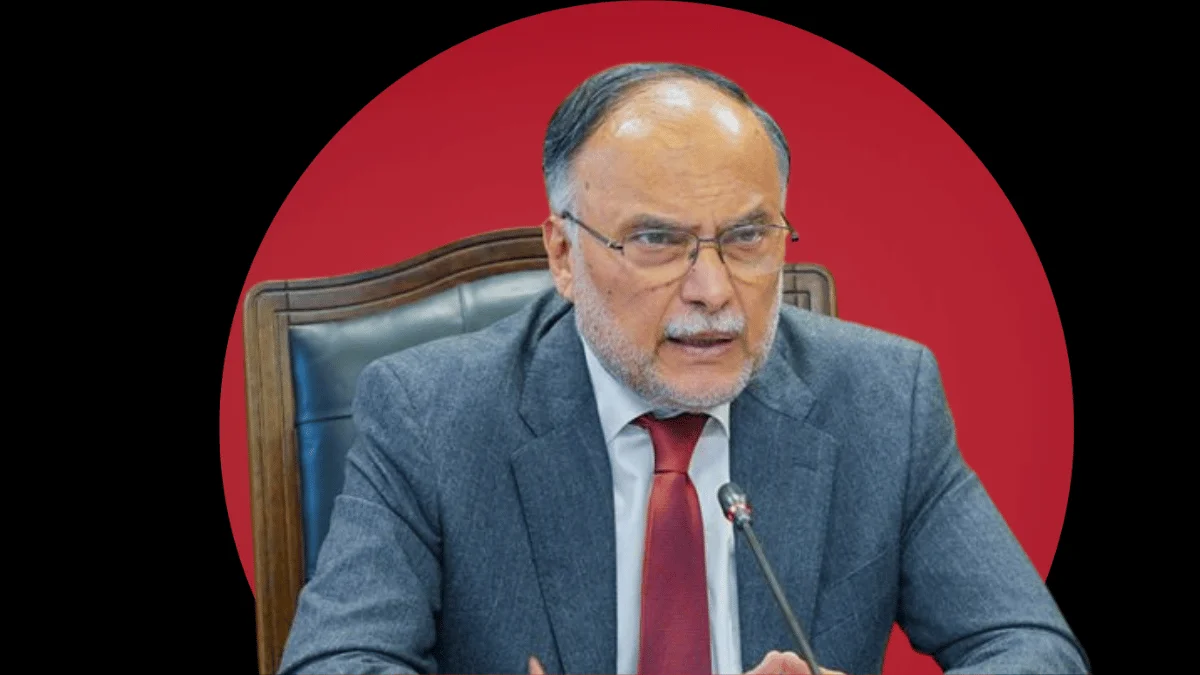
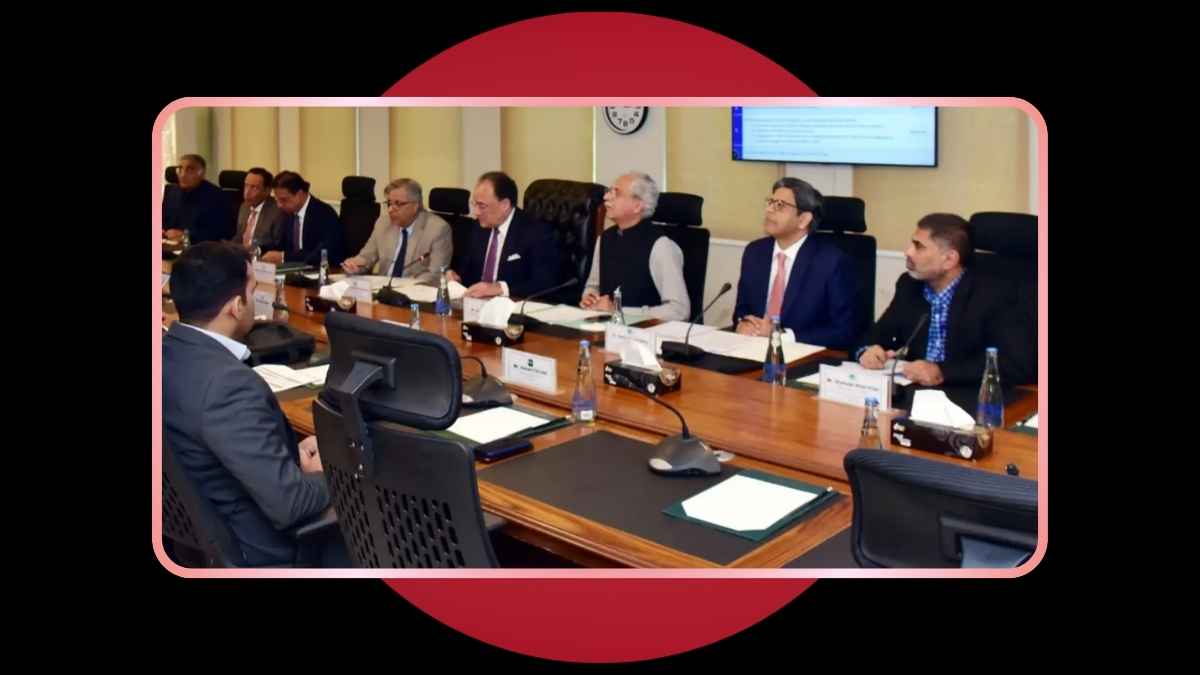
Federal Minister for Planning, Development and Special Initiatives Ahsan Iqbal chaired the first meeting of the Human Capital and Skills Mission, the seventh of 11 National Economic Missions approved under URAAN Pakistan, with a focus on improving education, healthcare, nutrition and workforce skills.
The meeting reviewed Pakistan’s performance in health, education and skills against peer countries, along with targets under the mission and a proposed federal-provincial mechanism to improve implementation. The government said investment in human resources and skills would be central to Pakistan’s long-term economic transformation.
Critical Human Capital Challenges and Indicators
The briefing highlighted major human-capital challenges. Pakistan ranks 168th out of 193 countries on the Human Development Index, while its Human Capital Index score stands at 0.41, indicating that children born in the country are expected to reach only 41% of their productive potential. Stunting is estimated at 40.2%, while maternal mortality stands at 186 deaths per 100,000 live births.
Education indicators also remain weak, with around 26 million children, or 28%, out of school. Of every 100 children entering Class 1 in public schools, only 46 reach Class 10. Literacy varies significantly across provinces, ranging from 68% in Punjab to 49% in Balochistan.
The skills challenge is also significant as around 2 million young people enter Pakistan’s labour force every year. Female labour-force participation stands at 22.7%, compared with 68.7% for men, while 45.4% of young women are not in education, employment or training. Technical and vocational training uptake has remained around 11%.
URAAN Pakistan Targets and Implementation Framework
Under URAAN Pakistan, the government has set targets including a 35% reduction in maternal mortality, an 18% reduction each in stunting and under-five mortality, raising skilled birth attendance to 85%, increasing education spending to 4% of GDP, improving literacy by 10%, creating 1.5 million jobs annually and increasing female labour-force participation by 17%.
The mission also proposes stronger coordination between federal and provincial governments. Working groups covering education, health and population, and skills are expected to meet every two weeks to address implementation bottlenecks, while the Planning Ministry’s Monitoring and Tracking Unit will monitor progress.
Ahsan Iqbal called for greater devolution of administrative authority to the district level, arguing that local governments should have the capacity to deliver education, healthcare and other basic services directly to citizens. He also stressed that Pakistan needs sustained implementation rather than repeatedly preparing development plans without ensuring continuity.
The government said the Human Capital and Skills Mission is the most devolved of the 11 National Economic Missions because health, education and skills are primarily provincial responsibilities. The federal government’s role will focus on standards, policy coordination, international commitments, financing dialogue and data consolidation.