Pakistan’s SME Financing Reaches Rs1.137trn By September
Listen3 min
Read aloud by your device’s built-in synthetic voice, not a recording. Needs a browser that can read aloud.
✧ GENERATE BRIEFING
Outstanding credit extended to Pakistan’s small and medium enterprises (SMEs) expanded by Rs23 billion during the first quarter of fiscal year 2027, bringing total SME financing to over Rs1.137 trillion by the end of September 2026. The update was reviewed during the fifth meeting of the Access to Finance Steering Committee, chaired by Finance Minister Muhammad Aurangzeb, which evaluated progress across key priority areas including agriculture, housing, and electric vehicle adoption. The official data indicated that the total number of active SME borrowers rose by more than 25,000 to reach 350,862. Minister Aurangzeb urged financial institutions, regulators, and commercial banks to accelerate credit deployment to meet the government's medium-term targets of scaling SME financing to Rs2 trillion and expanding the borrower base to 775,000 by June 2028. Total outstanding credit grew by Rs94.7 billion, climbing from Rs1.26 trillion in June to exceed Rs1.35 trillion by September-end, with borrowers expanding by 196,303 to roughly 3.46 million.
Outstanding financing to Pakistan’s small and medium enterprises (SMEs) increased by Rs23 billion to over Rs1.137 trillion by the end of September 2026, as the government reviewed progress on expanding access to finance across priority sectors.
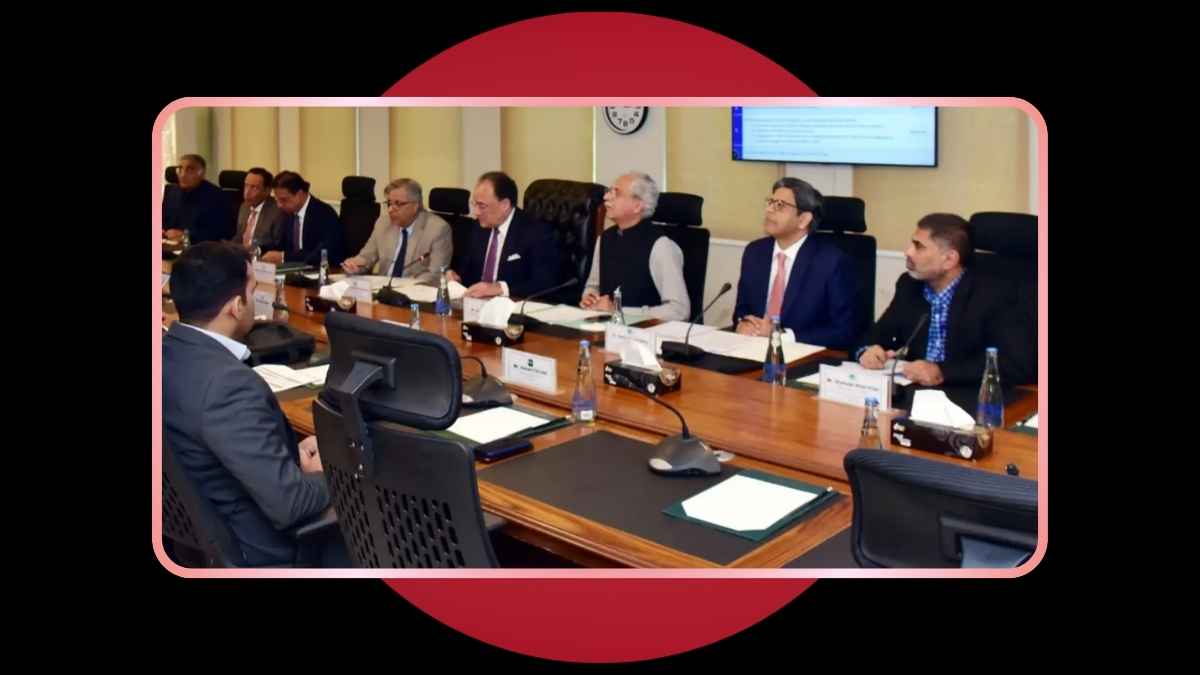
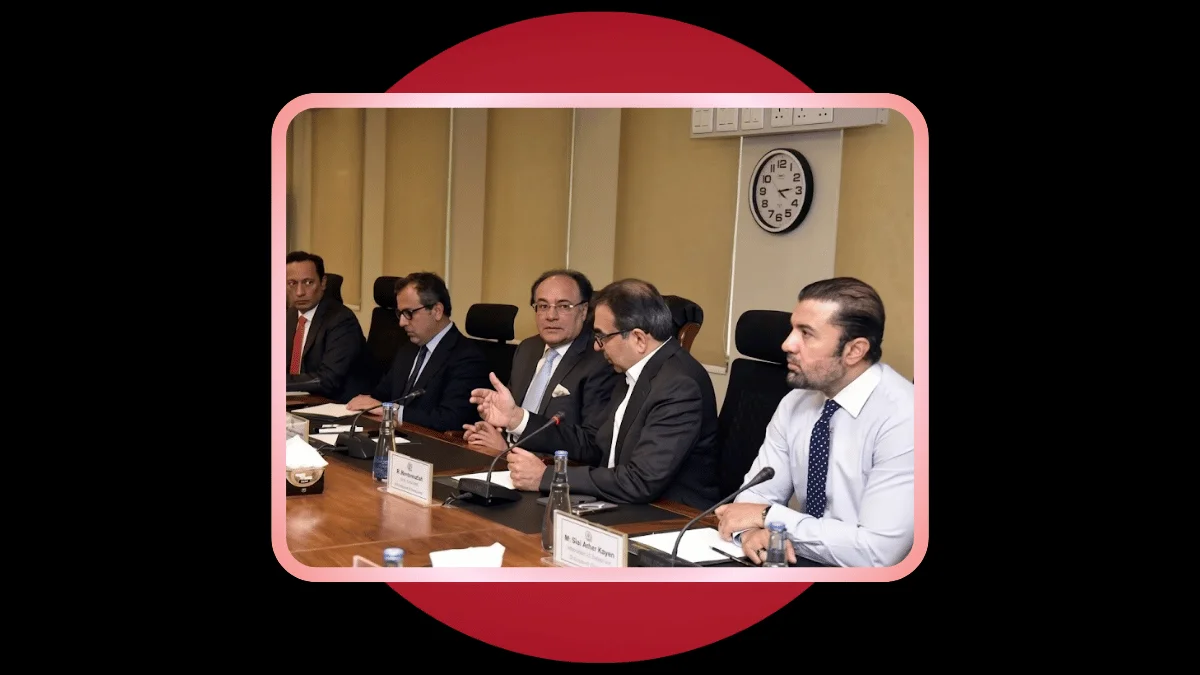
The progress was reviewed at the fifth meeting of the Access to Finance Steering Committee, chaired by Finance Minister Muhammad Aurangzeb at the Finance Division. The committee also examined financing developments in agriculture, housing and electric vehicles.
The number of SME borrowers increased by more than 25,000 to around 350,862 during the period. The finance minister directed authorities to accelerate lending to meet the government’s medium-term target of Rs2 trillion in SME financing and 775,000 borrowers by June 2028.
Aurangzeb said achieving the target would require an ecosystem-wide approach involving commercial banks, microfinance institutions and other financial service providers. The government has been seeking to channel greater financial-sector capacity towards productive investment and private-sector growth.
Agriculture and Housing Credit Expansion
Agriculture financing also recorded a significant increase, rising by Rs94.7 billion from Rs1.26 trillion in June to more than Rs1.35 trillion by end-September. The number of agriculture-finance borrowers rose by 196,303 to approximately 3.46 million.
Under the Prime Minister’s Zarkhez-e-Asaan Zarai Qarza scheme, 5,563 uncollateralised loans worth Rs2.1 billion had been disbursed to smallholder farmers. The committee also discussed expanding financing across livestock, fisheries and other underserved parts of the agricultural value chain.
Housing finance increased by Rs103 billion to Rs426 billion by end-September from Rs323 billion in June, with the number of borrowers reaching 231,550. Under the Wazir-e-Azam Apna Ghar Programme, Rs76 billion had been disbursed to 13,214 borrowers, while approved loans worth Rs350 billion were awaiting disbursement.
Electric Vehicle Financing and Strategic Directives
The meeting also reviewed the Pakistan Accelerated Vehicle Electrification (PAVE) Scheme. By September-end, 17,262 applications worth Rs2.54 billion had been approved, while 4,839 loans worth Rs975 million had been disbursed, resulting in the delivery of 2,725 electric vehicles.
Aurangzeb directed ministries, regulators, financial institutions and industry stakeholders to implement agreed measures within defined timelines. He stressed that government-backed financing programmes should remain commercially sound, target genuine market gaps and create opportunities for sustainable private-sector participation.