Shell Raises Q3 Gas Production Forecast After ARC Resources Acquisition
Listen2 min
Read aloud by your device’s built-in synthetic voice, not a recording. Needs a browser that can read aloud.
✧ GENERATE BRIEFING
Energy major Shell has significantly upgraded its third-quarter integrated gas production forecast to 740,000–780,000 barrels of oil equivalent per day (boed)—up sharply from its previous estimate of 570,000–630,000 boed. This upward revision is heavily driven by the finalized multi-billion-dollar acquisition of Canadian energy company ARC Resources, which officially closed on September 2, 2026, contributing a month of production to Shell's Q3 books. The deal immediately expands Shell's North American footprint and secures long-term feedstock for its export infrastructure. Concurrently, Shell narrowed its upstream production guidance to 1.735–1.835 million boed and projected third-quarter LNG liquefaction volumes between 7.2 and 7.6 million metric tons. While navigating roughly $300 million in exploration-well write-offs, the company is benefiting from strong market fundamentals, forecasting record indicative refining margins of $42 per barrel (surpassing the previous quarter's $24/bbl) amidst global supply tightness and regional logistics constraints. Shell is set to release its complete third-quarter financial and operational results on October 29, 2026.
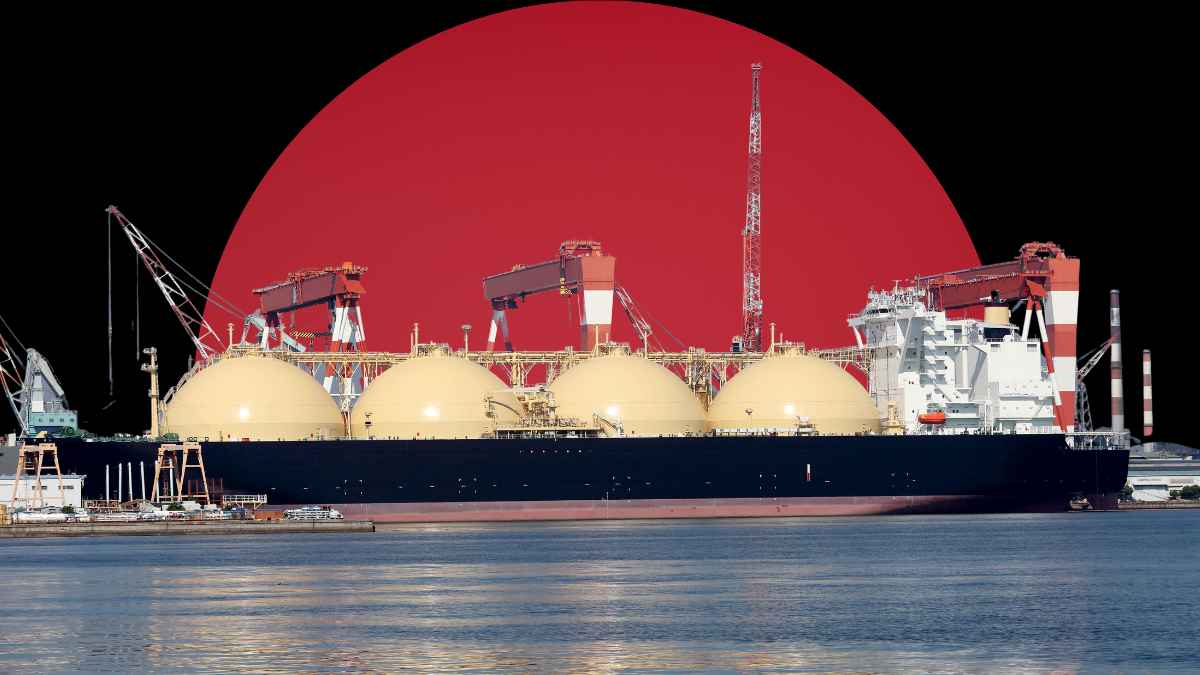
Shell has sharply raised its third-quarter integrated gas production forecast to 740,000–780,000 barrels of oil equivalent per day (boed) from its previous estimate of 570,000–630,000 boed, partly reflecting its acquisition of Canadian energy company ARC Resources.
The oil major completed its $16.4 billion acquisition of ARC Resources on September 2, with the transaction contributing one month of production to Shell’s third-quarter outlook.
Shell produced 631,000 boed of integrated gas in the second quarter, substantially below the more than 900,000 boed recorded before the US-Israel war with Iran began in February. The conflict disrupted energy operations in the Middle East, including Shell-linked facilities in Qatar.
The company expects third-quarter LNG liquefaction volumes of 7.2–7.6 million metric tons, compared with its previous forecast of 7.1–7.7 million tons and 7.7 million tons in the second quarter.
Upstream Guidance and Refining Margins
Shell also narrowed its third-quarter upstream production guidance to 1.735–1.835 million boed, compared with its previous range of 1.68–1.88 million boed. The company expects around $300 million in exploration-well write-offs during the quarter.
The updated outlook comes as energy markets remain highly volatile following disruptions to Middle Eastern oil and gas supplies. Shell expects its third-quarter refining margin to reach a record $42 per barrel, sharply above $24 per barrel in the previous quarter, as fuel shortages and higher prices boost refining profitability.
Shell said its trading and optimisation performance in integrated gas is expected to be broadly in line with the second quarter, while marketing earnings are expected to be lower. Refinery utilisation has also been affected by low water levels on Germany’s Rhine River.
Shell is scheduled to publish its full third-quarter 2026 results on October 29, when the company will provide a more complete assessment of the quarter’s production and financial performance.