Mian Zahid Urges Government To Tackle Inflation At Its Roots
Listen3 min
Read aloud by your device’s built-in synthetic voice, not a recording. Needs a browser that can read aloud.
✧ GENERATE BRIEFING
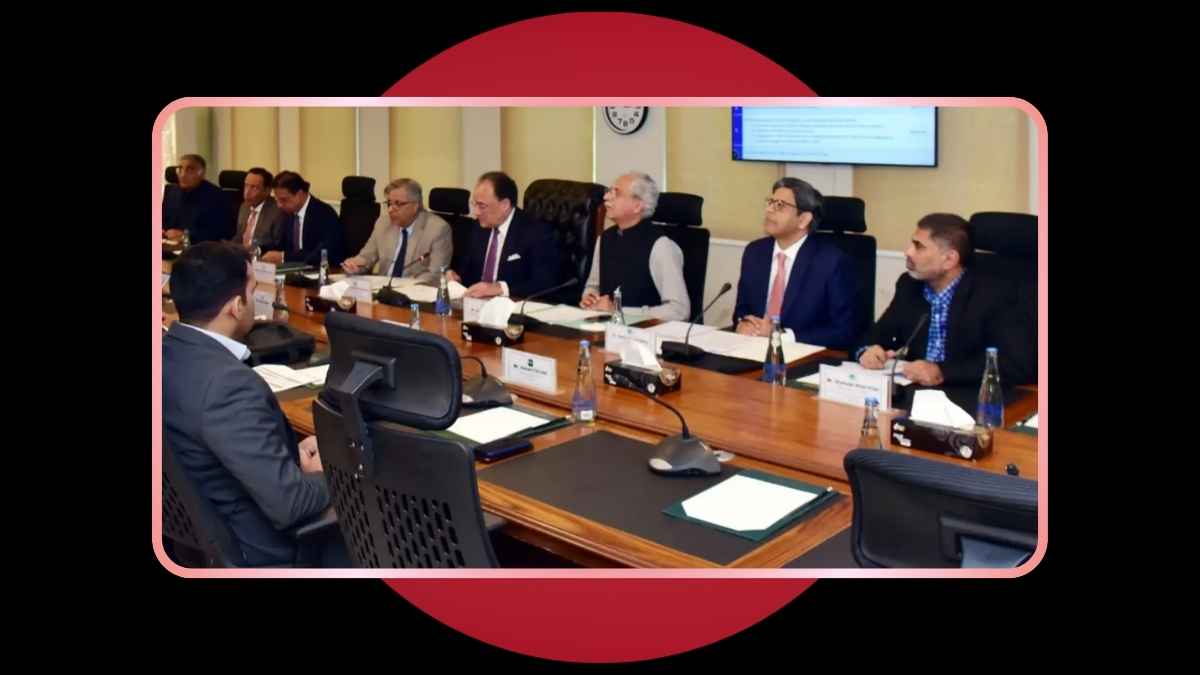
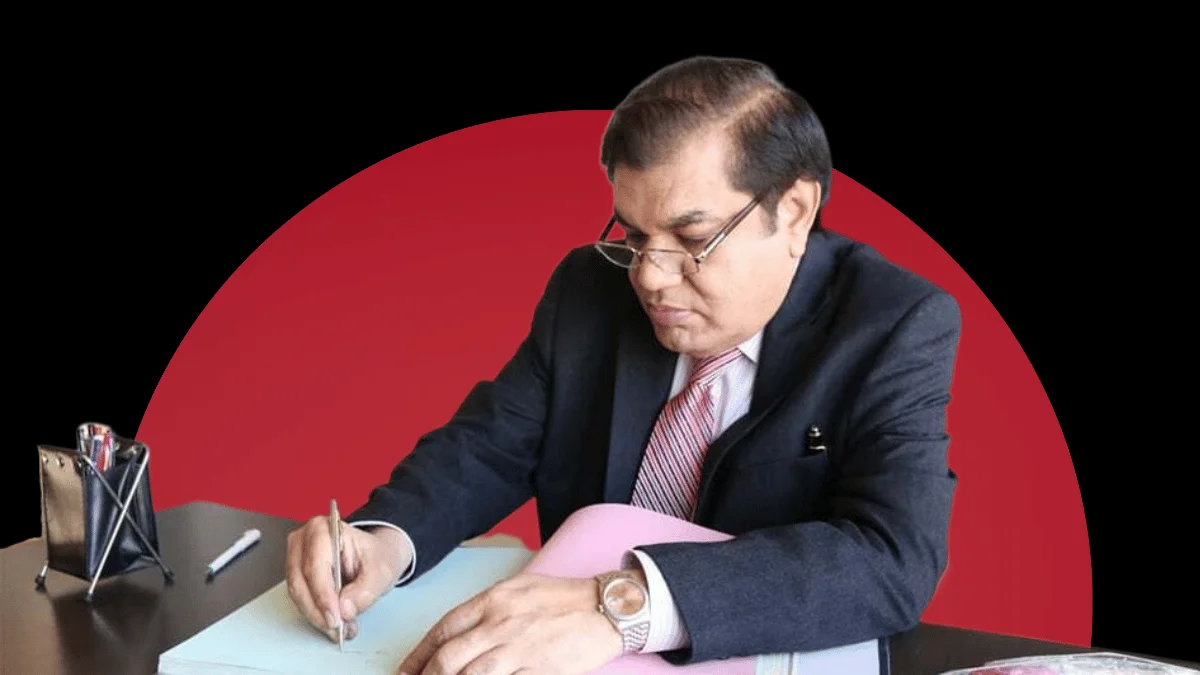
Prominent business leader Mian Zahid Hussain, President of the Pakistan Businessmen and Intellectuals Forum (PBIF) and All Karachi Industrial Alliance, has called on the federal government to implement structural reforms targeting the root drivers of domestic inflation. Highlighting that double digit price pressures, high energy tariffs, and elevated transport costs are squeezing household budgets and inflating production expenses for domestic manufacturers, Hussain stressed that lasting poverty alleviation requires microeconomic stability alongside broad-based industrialization. Key structural concerns and proposed interventions outlined by the business leader include: Public-Sector Inefficiencies: Pointed to roughly Rs800 billion in annual losses incurred by underperforming State Owned Enterprises (SOEs) and over Rs1 trillion in power-sector losses (stemming from line losses, electricity theft, and weak collections), which ultimately shift financial burdens onto taxpayers and industrial consumers. Technology Adoption: Urged national investment in digital skills, AI tools, and local-language data to improve private-sector productivity and spur export-led economic expansion.
Business leader Mian Zahid Hussain has urged the government to address the underlying causes of inflation, warning that high energy, fuel, transport and food prices are increasing pressure on households and raising production costs for businesses.
Hussain, president of the Pakistan Businessmen and Intellectuals Forum (PBIF) and All Karachi Industrial Alliance, said expensive electricity, gas, petrol and diesel were weakening industrial competitiveness while reducing consumers’ purchasing power.
He pointed to estimated annual losses of around Rs800 billion at underperforming public-sector entities and approximately Rs1 trillion from power-sector line losses, electricity theft and weak recoveries. He said these inefficiencies ultimately increase the financial burden on consumers and industry.
Supply-Chain Management and Market Digitalization
Hussain also called for stronger supply-chain management and digital monitoring of essential commodities to identify artificial shortages, hoarding and excessive profiteering. Better storage, cold-chain facilities and transportation systems could help reduce food wastage and improve market supplies.
While acknowledging targeted assistance through the Benazir Income Support Programme and fuel relief for low-income households, he said subsidies alone would not deliver lasting poverty reduction. Sustainable progress would require investment in infrastructure, human resources, employment and private-sector-led growth.
World Bank Poverty Data and Economic Drivers
Referring to the World Bank’s October 2026 regional economic update, Hussain highlighted the deterioration in Pakistan’s poverty indicators. According to the figures cited in the report, the country’s poverty rate at the international threshold of $3 per person per day increased by 6.4 percentage points between 2018–19 and 2024–25.
He attributed the pressure on household incomes to successive economic shocks, including the COVID-19 pandemic, the 2022 floods, high inflation, currency depreciation and economic adjustment measures. He said macroeconomic stability should be judged not only by GDP growth and foreign-exchange reserves but also by employment, wages and access to essential goods.
Hussain further stressed that artificial intelligence could improve productivity and create economic opportunities if Pakistan invested in digital skills, reliable internet access, local-language data and technology adoption by businesses. He called for greater industrialisation, value addition and export-led growth to support sustainable poverty reduction.
The business leader said the government must translate improvements in macroeconomic indicators into tangible benefits for ordinary citizens and businesses, particularly through lower operating costs, stronger purchasing power and more reliable access to essential commodities.