Pakistan Targets Over 4% Growth, Aims To Raise $1bn+ From Privatisation
Listen3 min
Read aloud by your device’s built-in synthetic voice, not a recording. Needs a browser that can read aloud.
✧ GENERATE BRIEFING
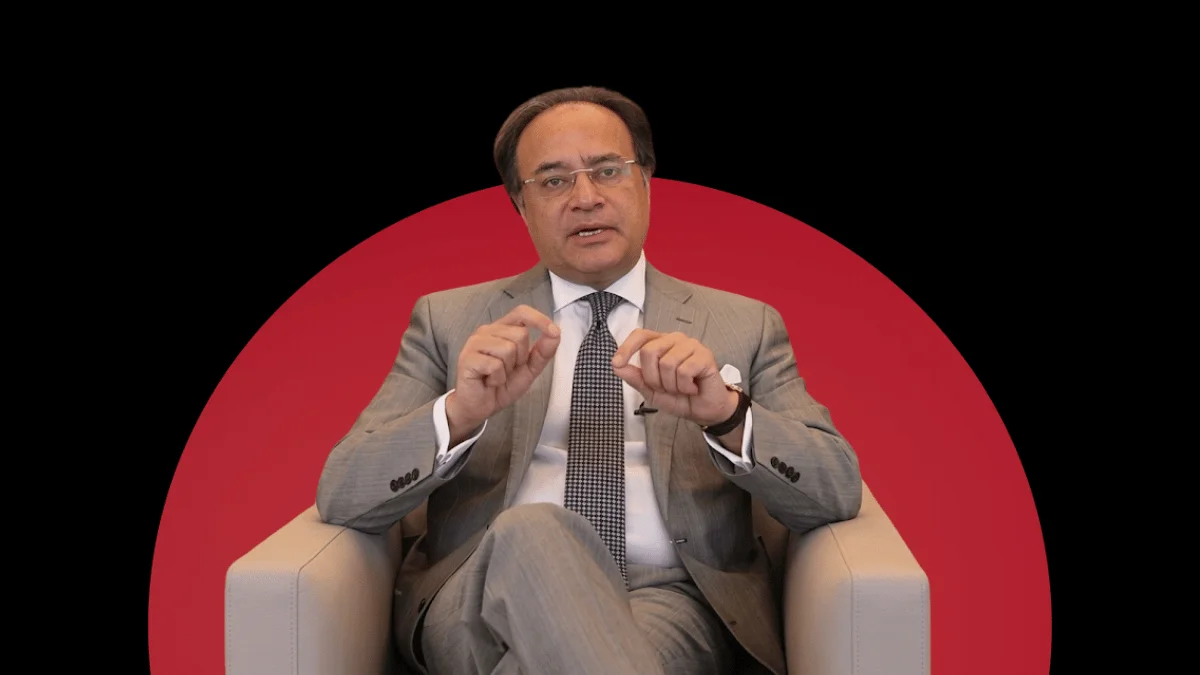
Federal Minister for Finance and Revenue Senator Muhammad Aurangzeb has projected that Pakistan’s gross domestic product (GDP) growth will exceed 4% in the current fiscal year, anchored by agricultural resilience and stable fuel inventories despite escalating Middle East geopolitical risks. Speaking to Reuters on the sidelines of the IMF–World Bank Annual Meetings in Bangkok, the finance minister also revealed that the government aims to generate over $1 billion through the privatization of 5 to 6 state-owned entities (SOEs) during the current fiscal year. Key structural highlights from the minister's statement include:Privatization Pipeline & SOE Reforms: Building on last year's landmark sale of Pakistan International Airlines (PIA), the government is advancing around a dozen transactions, including state-owned power distribution companies (DISCOs) and the outsourcing of airport operations, to curb public sector financial losses and enable private-sector-led growth.
Pakistan’s economy is expected to grow by more than 4% in the current fiscal year despite elevated oil prices and ongoing conflict in the Middle East, while the government expects to raise more than $1 billion through the privatisation of five to six state-owned entities, Finance Minister Muhammad Aurangzeb said on Monday.
Speaking to Reuters on the sidelines of the annual meetings of the International Monetary Fund (IMF) and World Bank in Bangkok, Aurangzeb said Pakistan’s agriculture sector was holding up and the country had secured sufficient fuel supplies to avoid shortages.
The finance minister said the government was closely monitoring inflation, as higher energy and commodity prices could put additional pressure on the economy. Pakistan remains vulnerable to a prolonged Middle East conflict because of its reliance on Gulf energy imports, remittances and regional financing.
Privatisation Pipeline and SOE Disinvestment
Aurangzeb said the government expected five or six privatisation transactions to be completed during the current fiscal year. Around a dozen entities remain in the pipeline, including state-owned power distribution companies and the outsourcing of airport operations.
The government’s privatisation drive follows the sale of national flag carrier Pakistan International Airlines (PIA) last year. The programme is viewed as an important part of Pakistan’s economic reforms, particularly efforts to reduce the financial burden of loss-making state-owned enterprises and improve public finances.
US Stabilization Talks and IMF Facilities
Pakistan is also continuing discussions with the United States over a proposed $10 billion exchange stabilisation facility, Aurangzeb said. He did not provide a timeline for the conclusion of negotiations but said the facility would provide additional support if secured.
The proposed arrangement is separate from ongoing discussions with the US Export-Import Bank and the US International Development Finance Corporation. Aurangzeb said failure to secure the facility would not prevent Pakistan from accessing international markets.
Pakistan also reached a staff-level agreement with the IMF last week, potentially unlocking approximately $1.21 billion under its existing loan programme and a climate-related financing facility. The country remains dependent on external financing to strengthen foreign exchange reserves and meet debt obligations.
The government is seeking to build on recent economic stabilisation under the IMF’s $7 billion, 37-month Extended Fund Facility agreed in 2024. However, sustaining growth while controlling inflation and advancing privatisation remains a key challenge amid uncertainty over global energy prices and regional geopolitical tensions.