Aurangzeb Discusses Economic Reforms With IMF Deputy Chief
Listen2 min
Read aloud by your device’s built-in synthetic voice, not a recording. Needs a browser that can read aloud.

✧ GENERATE BRIEFING
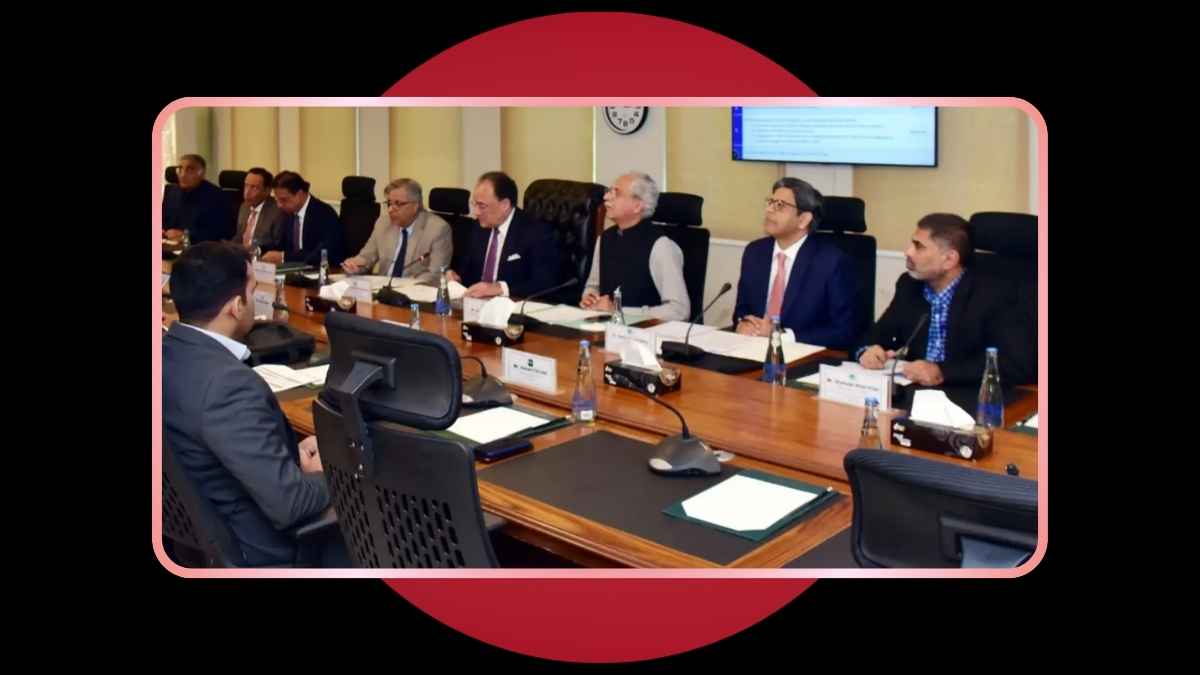
Federal Minister for Finance and Revenue Senator Muhammad Aurangzeb met with International Monetary Fund (IMF) First Deputy Managing Director Dan Katz on the sidelines of the World Bank Group–IMF Annual Meetings 2026 in Bangkok, Thailand. The bilateral session focused on evaluating Pakistan’s macroeconomic performance under its existing IMF-supported Extended Fund Facility (EFF) and coordinating policy responses to regional economic shocks.Key operational highlights and strategic outcomes from the meeting include:Program Milestone Recognition: Both leaders formally welcomed the recent staff-level agreement, noting measurable improvements across primary fiscal balances, tax revenue collection, foreign exchange reserve buffers, and overall external sector stability.Macro Stability & Market Access: Minister Aurangzeb briefed Katz on Pakistan’s improved sovereign credit ratings, returning investor confidence, and plans to leverage restored international capital market access for non-debt-creating flows.Geopolitical Shock Management: Discussions covered the inflationary fallout of ongoing Middle East instability, particularly regarding global energy market volatility.
Federal Minister for Finance and Revenue Muhammad Aurangzeb met International Monetary Fund (IMF) First Deputy Managing Director Dan Katz on the sidelines of the World Bank Group–IMF Annual Meetings 2026 in Bangkok, Thailand, to discuss Pakistan’s economic performance and progress under the IMF-supported programme.
According to the Press Information Department (PID), the meeting focused on macroeconomic stabilisation, ongoing structural reforms and challenges facing Pakistan’s economy.
Capital Market Access and Program Performance
Aurangzeb highlighted improvements in investor confidence, sovereign credit ratings and Pakistan’s renewed access to international capital markets. He reiterated the government’s commitment to fiscal discipline, tax reforms, privatisation and sustainable economic growth.
Both sides welcomed the staff-level agreement under the IMF-supported programme and acknowledged improvements in fiscal performance, foreign exchange reserves, inflation and external-sector stability.
Energy Shocks and Vulnerable Household Support
The discussions also covered the economic consequences of the conflict in the Middle East, particularly its impact on energy prices and inflation. The two sides discussed providing targeted relief to vulnerable households while remaining within fiscal constraints.
The meeting underscored the importance of maintaining economic stability amid external pressures and continuing cooperation between Pakistan and the IMF.
Pakistan’s progress on reforms, revenue mobilisation and fiscal management remains important for sustaining investor confidence and strengthening the country’s external financial position. The government has also emphasised the need to maintain policy discipline while addressing risks arising from international commodity markets and geopolitical developments.