Pakistan Takes Leadership Role In Borrowers’ Platform As Aurangzeb Assumes Chairmanship
Listen2 min
Read aloud by your device’s built-in synthetic voice, not a recording. Needs a browser that can read aloud.
✧ GENERATE BRIEFING
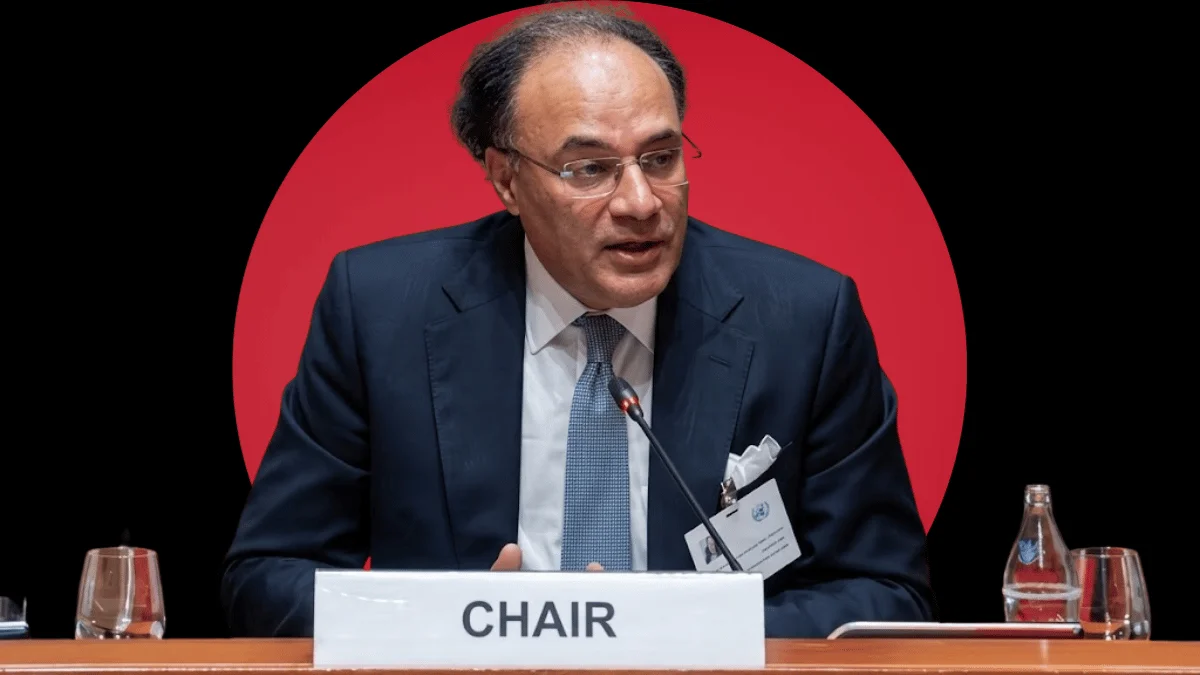
Federal Minister for Finance and Revenue Senator Muhammad Aurangzeb has assumed the chairmanship of the Governing Council of the international Borrowers’ Platform on behalf of Pakistan. The milestone leadership appointment took place on the sidelines of the World Bank Group–IMF Annual Meetings 2026 in Bangkok, Thailand. The UN-backed platform originally initiated with Egypt's leadership aims to strengthen South–South cooperation, sovereign debt transparency, and knowledge-sharing among borrowing nations facing high debt service burdens. Key strategic mandates and priorities outlined by Aurangzeb for the 2026–27 Work Plan include: Scope & Non-Crisis Mandate: Clarified that the Borrowers’ Platform will serve strictly as a peer-to-peer technical learning, advisory, and capacity-building mechanism rather than a collective bargaining bloc or crisis-management workout vehicle. Debt Management & Financial Innovation: Focus on institutional public debt management, exchanging structural reform experiences, and exploring novel, non-debt-creating development finance instruments.
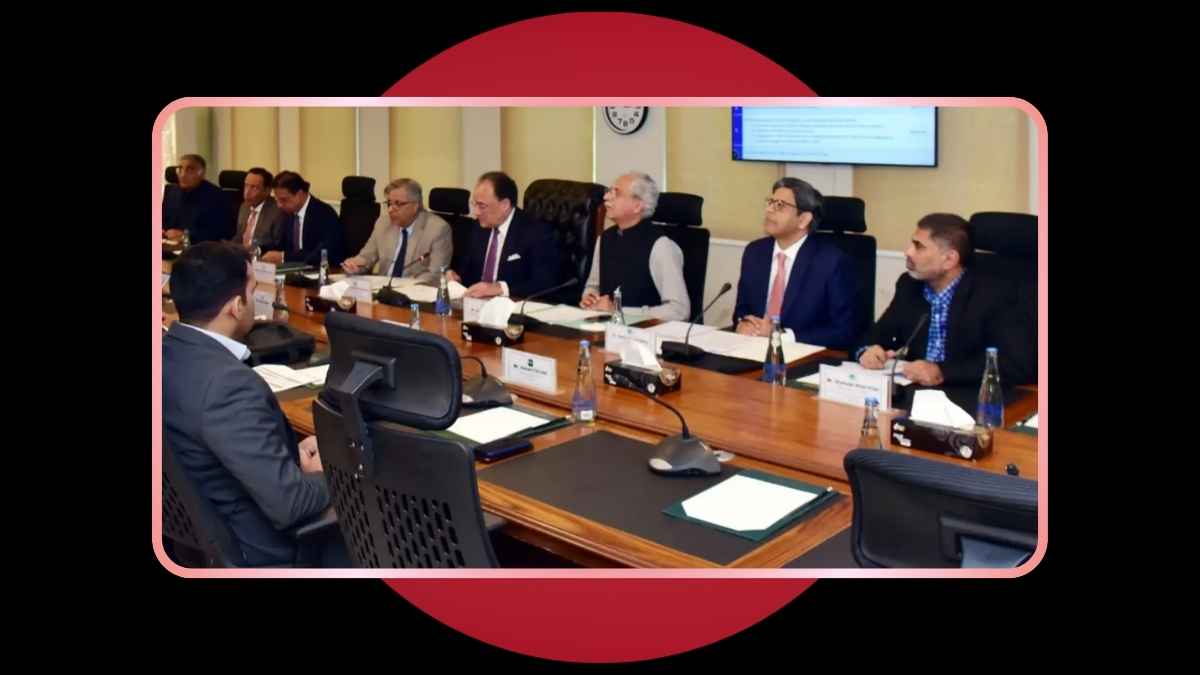
Finance Minister Muhammad Aurangzeb has assumed the chairmanship of the Governing Council of the international Borrowers’ Platform on behalf of Pakistan, on the sidelines of the World Bank Group–IMF Annual Meetings 2026 in Bangkok, Thailand.
The appointment gives Pakistan a leadership role in an initiative designed to help developing countries coordinate on sovereign debt challenges, exchange knowledge and share experiences in managing public borrowing.
Aurangzeb acknowledged Egypt’s leadership in establishing the platform and recognised the contributions of participating countries and its secretariat in developing its governance structure and work programme.
Technical Mandate and South–South Cooperation
The finance minister said the platform would focus on mutual learning and technical cooperation, rather than functioning as a collective bargaining forum or a mechanism for managing financial crises.
Outlining Pakistan’s priorities under the platform’s 2026–27 work plan, Aurangzeb highlighted the need to improve public debt-management practices, exchange experiences of economic reforms and explore innovative instruments for development financing.
Growth-Oriented Debt Framework
He also stressed that borrowing should support economic development rather than become a constraint on growth. Pakistan, he said, was committed to translating the platform’s objectives into practical measures and measurable results.
The chairmanship comes as Pakistan continues efforts to strengthen its macroeconomic position, advance structural reforms and improve engagement with international financial institutions and investors. The country is seeking to move from economic stabilisation towards sustainable, investment-led and export-driven growth.
Aurangzeb is attending the World Bank Group–IMF Annual Meetings, scheduled for October 12–18, where he is also holding discussions with international financial institutions, policymakers, development partners and investors.