Pakistan Seeks Libyan Crude Imports Amid Middle East Supply Risks
Listen3 min
Read aloud by your device’s built-in synthetic voice, not a recording. Needs a browser that can read aloud.
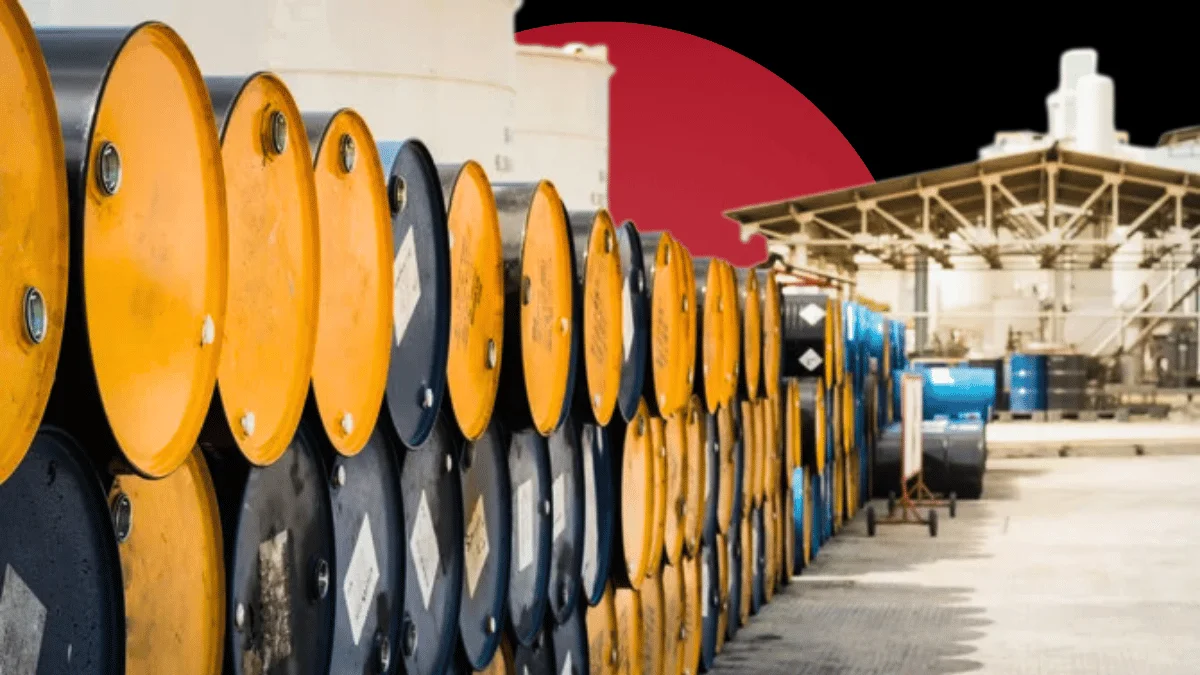
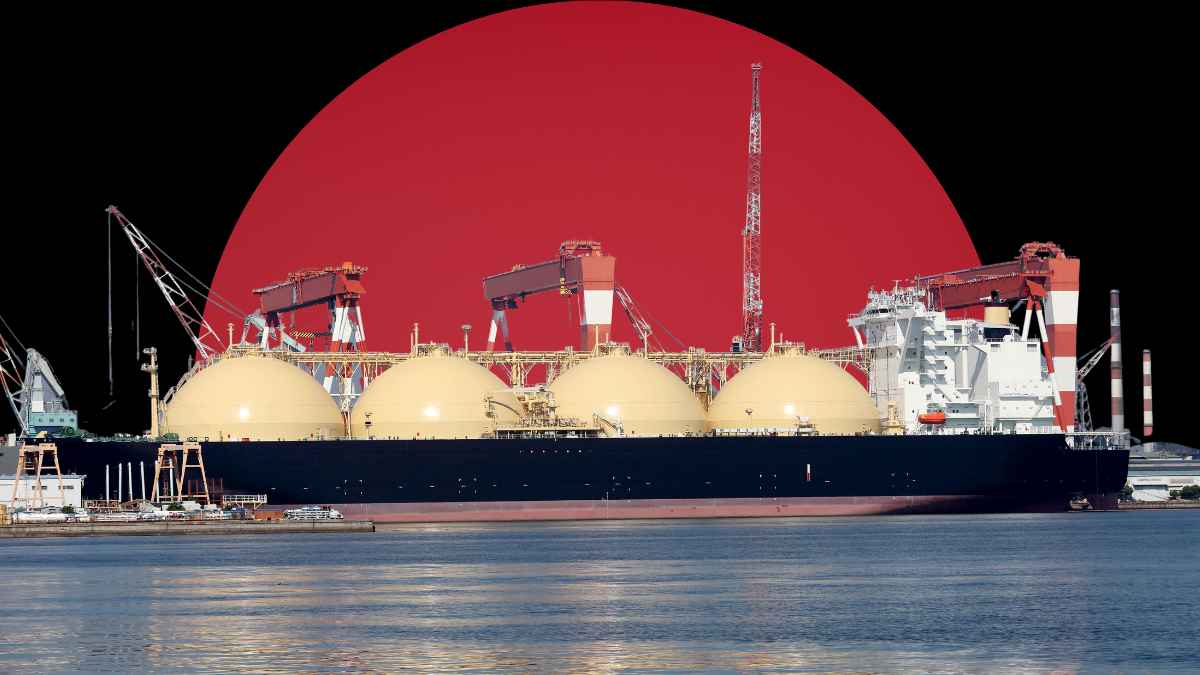
Pakistan has encouraged domestic refineries to explore importing crude oil from Libya as the country seeks to diversify its energy supplies and reduce exposure to disruptions along major Middle Eastern shipping routes, Petroleum Minister Ali Pervaiz Malik said on Monday.
The initiative was discussed during a bilateral meeting between Malik and Libya’s Minister of Oil and Gas, Khalifa Rajab Abdulsadek, on the sidelines of the 17th International Energy Forum ministerial meeting in Riyadh, Saudi Arabia.
Pakistan’s move is aimed at strengthening energy security by creating alternative sourcing options if supplies through the Strait of Hormuz and Bab al-Mandeb Strait are disrupted. These maritime corridors are important for international oil and gas shipments, leaving import-dependent countries exposed to regional instability.
Libyan Supply Allocations and Technical Cooperation
During the meeting, the Libyan minister said he would encourage Libya’s national oil company to allocate larger volumes of crude oil to Pakistani companies. The two sides also discussed cooperation in refinery upgrades, with Libya expressing interest in learning from Pakistan’s experience in the sector.
Separately, Malik met Qatar’s Energy Minister Saad Sherida Al-Kaabi to explore opportunities for greater cooperation in the liquefied natural gas (LNG) sector. The discussions come as Pakistan seeks to broaden its energy partnerships amid continued uncertainty in international fuel markets.
Offshore Exploration and Seismic Data Mapping
The petroleum minister also met Turkish Energy Minister Alparslan Bayraktar, who said a seismic vessel operated by Turkish Petroleum was expected to arrive in Pakistan next month. The vessel will begin collecting exploration data in the Indus Basin, supporting Pakistan’s efforts to explore domestic oil and gas resources.
Addressing the International Energy Forum, Malik said global energy security required investment across conventional and emerging energy sources, including hydrocarbons, renewable energy, critical minerals and essential infrastructure such as pipelines and electricity grids.
Strategic Petroleum Reserves and Storage Infrastructure
He also outlined Pakistan’s plans to strengthen its long-term energy framework through strategic petroleum reserves, bonded oil storage facilities, greater domestic production and investment in refineries and tank farms. The government aims to improve the country’s ability to withstand international supply shocks while maintaining the affordability and availability of energy.
The proposed Libyan crude imports represent an effort to widen Pakistan’s sourcing options, although actual purchases will depend on commercial negotiations, refinery requirements, pricing and shipping arrangements.