Pakistan Plans Longer-Term Refinancing Of Nearly $100bn External Debt
Listen3 min
Read aloud by your device’s built-in synthetic voice, not a recording. Needs a browser that can read aloud.
✧ GENERATE BRIEFING
Federal Minister for Finance and Revenue Senator Muhammad Aurangzeb has outlined a comprehensive debt management strategy aimed at refinancing Pakistan’s short-term external obligations into longer maturities over the next two to three years. Speaking to Bloomberg News on The China Show while in Bangkok for the World Bank–IMF Annual Meetings, Aurangzeb affirmed that the government intends to cap Pakistan's total external debt stock at approximately $100 billion while systematically lengthening its maturity profile to eliminate recurring rollover pressures. Key structural highlights and capital market instruments driving the strategy include: No Immediate Issuance Rush: Clarified that Pakistan is "not in a rush" to issue conventional international sovereign bonds during the current fiscal year, preferring to await favorable market conditions. Diversified Instruments & Digital Tokenization: Mandated the issuance of Islamic Sukuk alongside dollar-settled, rupee-denominated bonds to capture strong international investor appetite.
Pakistan plans to refinance part of its short-term external debt into longer maturities over the next two to three years to reduce repayment pressure and limit rollover risks, Finance Minister Muhammad Aurangzeb said on Monday.
Speaking to Bloomberg News on The China Show, Aurangzeb said the government intends to keep Pakistan’s overall external debt broadly unchanged at close to $100 billion, while improving its maturity profile through refinancing and diversifying funding sources.
The strategy is aimed at reducing the risk of having to repeatedly renew short-term debt obligations. By extending repayment periods, the government hopes to ease near-term financing pressure without significantly increasing the country’s total external debt.
Capital Market Strategy and Bond Issuance
Aurangzeb said Pakistan was “not in a rush” to issue international bonds during the current fiscal year, indicating that the government would consider market conditions before pursuing additional borrowing.
The finance minister said Pakistan had mandated the issuance of Islamic Sukuk and was exploring dollar-settled, rupee-denominated bonds. He added that the government was receiving considerable interest from potential investors in these instruments.
Panda Bonds and Tokenization
Pakistan also plans to issue requests for proposals for the remaining Panda bonds, which are yuan-denominated bonds issued in China’s domestic market by foreign borrowers. The government is also exploring the possibility of tokenising existing Eurobonds, potentially using digital-token technology to represent bond ownership or facilitate trading.
The refinancing initiative follows Pakistan’s recent $3 billion dual-tranche Eurobond issuance, which Aurangzeb previously described as the largest single transaction of its kind in the country’s history. The government has also identified Sukuk, Panda bonds and other instruments as ways to diversify financing and replace expensive short-term debt.
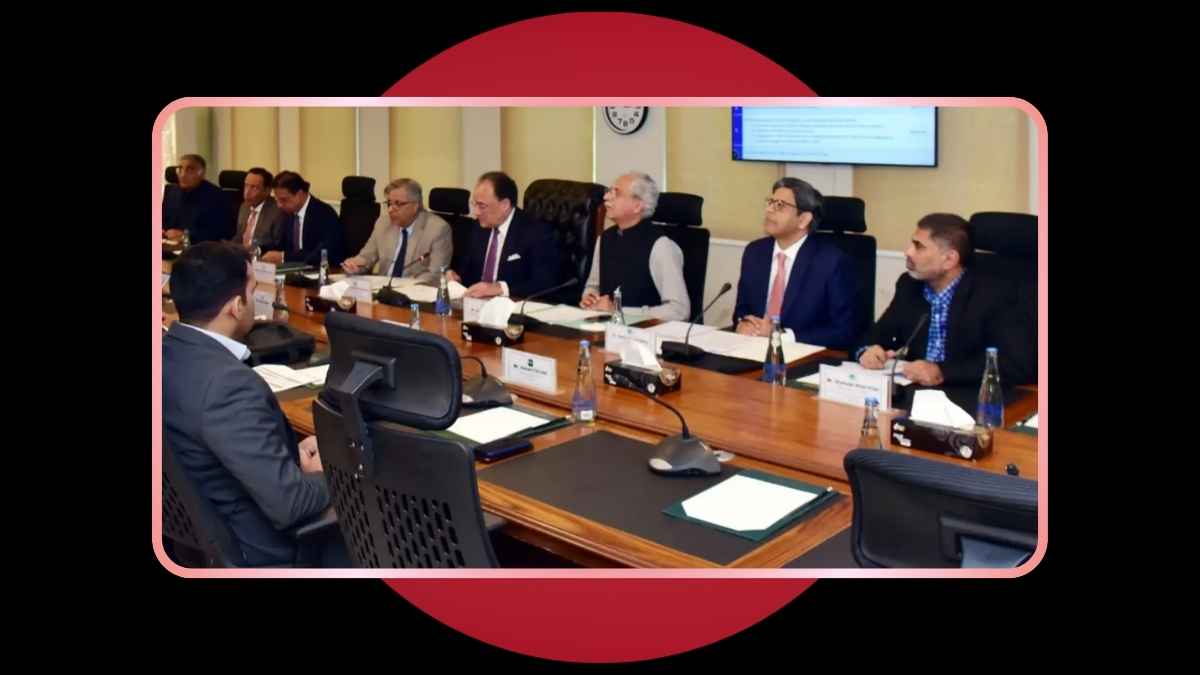
Aurangzeb is in Bangkok to represent Pakistan at the World Bank Group–IMF Annual Meetings, scheduled for October 12–18, 2026. His programme includes meetings with international financial institutions, investors, banks, credit-rating agencies and policymakers as Pakistan seeks to strengthen investor confidence and advance its economic reform agenda.