Global Financial Architecture Needs Urgent Reform: FinMin At G-24 Moot In Bangkok
Listen2 min
Read aloud by your device’s built-in synthetic voice, not a recording. Needs a browser that can read aloud.
✧ GENERATE BRIEFING
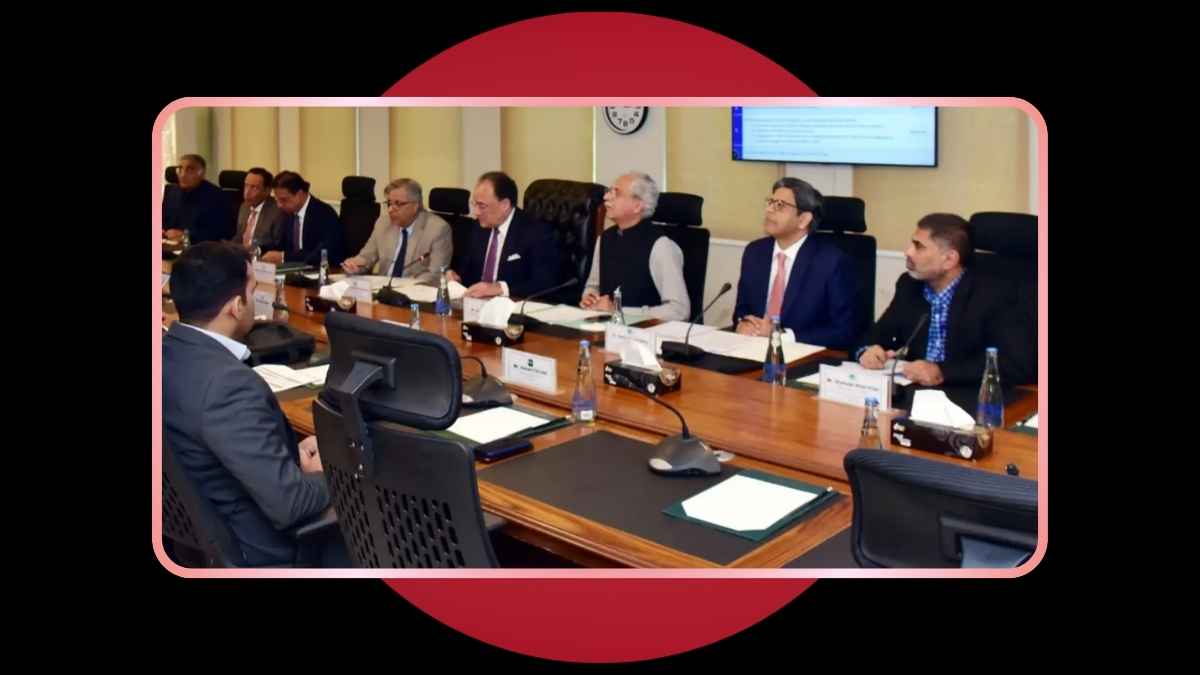
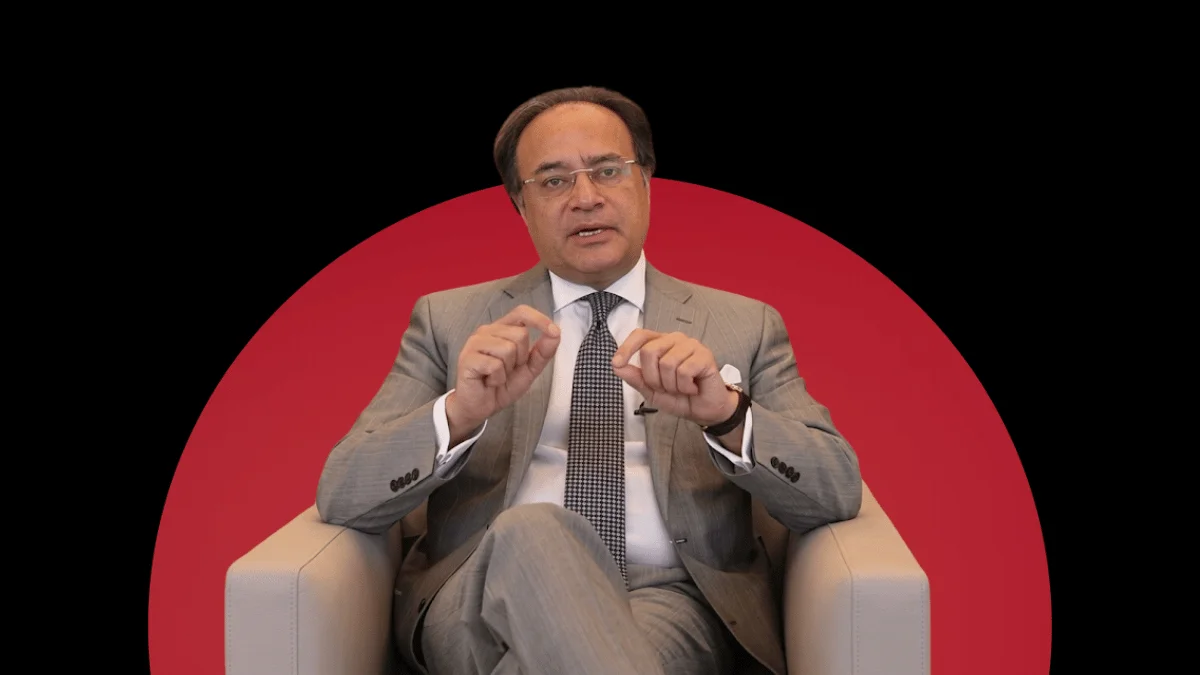
Federal Minister for Finance and Revenue Senator Muhammad Aurangzeb called for comprehensive reforms to the international financial architecture while representing the Intergovernmental Group of Twenty-Four (G-24) as its First Vice-Chair in Bangkok. Speaking at the G-24 Ministers and Governors Meeting held on the sidelines of the World Bank Group–IMF Annual Meetings 2026, Aurangzeb highlighted how trade fragmentation, high borrowing costs, and climate shocks disproportionately impact developing nations. Key reform pillars and strategic priorities outlined by Aurangzeb as Pakistan prepares to assume the G-24 Chairmanship include: Refocusing on Core Development: Mandating that multilateral financial institutions prioritize sustainable development and long-term poverty reduction as their primary operational objective.Governance & Representation Reform: Demanding greater voting rights and quota representation for emerging market economies within the IMF and World Bank (Bretton Woods institutions) to better mirror contemporary global economic realities.
Federal Minister for Finance and Revenue Muhammad Aurangzeb has called for reforms to the international financial architecture, urging global financial institutions to better address the challenges facing developing economies.
Speaking as First Vice-Chair of the G-24 at a meeting of finance ministers and central bank governors held alongside the World Bank Group–IMF Annual Meetings 2026 in Bangkok, Aurangzeb highlighted growing economic pressures caused by trade and investment fragmentation, climate-related shocks, restrictive financial conditions and widening financing gaps.
Incoming Leadership and Priority Agenda
He reaffirmed Pakistan’s commitment to strengthening the group’s collective influence as the country prepares to assume the G-24 chairmanship. He said Pakistan would work to advance the interests of developing economies through greater cooperation and a stronger voice in international financial decision-making.
Aurangzeb identified three priorities for the group: restoring development as the central objective of the international financial system, making the Bretton Woods institutions more representative and responsive, and building a development-oriented international financial architecture.
Support for Structural Reforms and External Shocks
The finance minister also called for timely support for countries implementing difficult economic reforms while facing external shocks beyond their control. His remarks highlighted the need for international financial institutions to account for the constraints faced by developing countries.
He acknowledged Nigeria’s leadership of the group and stressed the importance of cooperation among member countries and institutional partners to advance a more representative and resilient global economic order.
The G-24 is an intergovernmental group that coordinates the positions of developing countries on international monetary and development finance issues, particularly in discussions involving the IMF and World Bank.
Pakistan’s incoming chairmanship could provide an opportunity to press for reforms that improve developing economies’ access to financing and strengthen their participation in global economic governance.