Aurangzeb Vows To Continue Reforms Under $7 Billion IMF Extended Fund Facility
Listen3 min
Read aloud by your device’s built-in synthetic voice, not a recording. Needs a browser that can read aloud.
✧ GENERATE BRIEFING
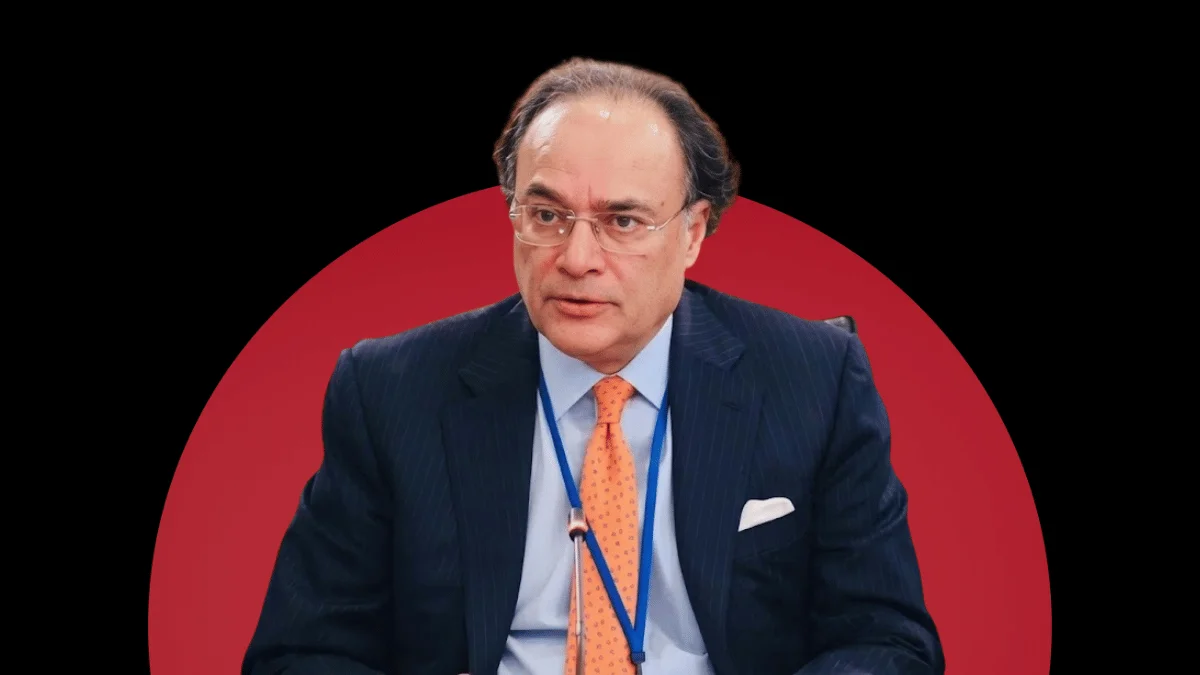
Federal Minister for Finance and Revenue Senator Muhammad Aurangzeb reaffirmed Pakistan’s commitment to implementing structural reforms under the $7 billion Extended Fund Facility (EFF) during a high-level panel on sovereign risks at the 2026 World Bank Group–IMF Annual Meetings in Bangkok. The minister emphasized that maintaining policy discipline is essential to convert recent macroeconomic stabilization into long-term, export-led economic growth.Key operational and structural reform tracks highlighted by the finance minister include:Fiscal Consolidation & Tax Mobilization: Underlining tax administration improvements, revenue mobilization, and expenditure restraint aimed at widening the tax base, reducing public borrowing pressures, and meeting fiscal deficit targets.Debt Management Architecture: Details a strategy focused on lowering overall financing costs, extending maturity profiles, and mitigating refinancing risks. Re-entry into international capital markets will support sovereign external debt refinancing without expanding total gross debt obligations.
Finance Minister Muhammad Aurangzeb has reaffirmed Pakistan’s commitment to implementing reforms under the International Monetary Fund (IMF) programme, stressing that sustained policy measures are essential to convert economic stabilisation into long-term growth and public welfare.
Speaking at a panel on sovereign risks in countries with access to international financial markets during the 2026 World Bank Group–IMF Annual Meetings in Bangkok, Aurangzeb highlighted reforms in taxation, energy, state-owned enterprises (SOEs) and pensions.
The minister said Pakistan had made progress in fiscal consolidation, reducing inflation and rebuilding foreign exchange reserves. He emphasised that continued implementation of structural reforms would be necessary to strengthen economic resilience and maintain macroeconomic stability.
Fiscal Mobilization and Debt Optimization
Aurangzeb identified revenue mobilisation, tax administration improvements, expenditure restraint and privatisation as key elements of the government’s economic reform agenda. These measures are intended to improve public finances, broaden the tax base and reduce pressure on government borrowing.
He also outlined the government’s debt-management strategy, which aims to lower financing costs, extend debt maturities and reduce refinancing risks. Renewed access to international capital markets, he said, would support efforts to improve Pakistan’s external debt profile without increasing the overall size of its debt.
IMF High-Level Engagement
The remarks come as Pakistan continues engagement with the IMF under its $7 billion Extended Fund Facility (EFF). Recent discussions have focused on fiscal consolidation, tax collection, energy-sector reforms and the management of circular debt. The latest review process also includes Pakistan’s engagement with the IMF’s Resilience and Sustainability Facility.
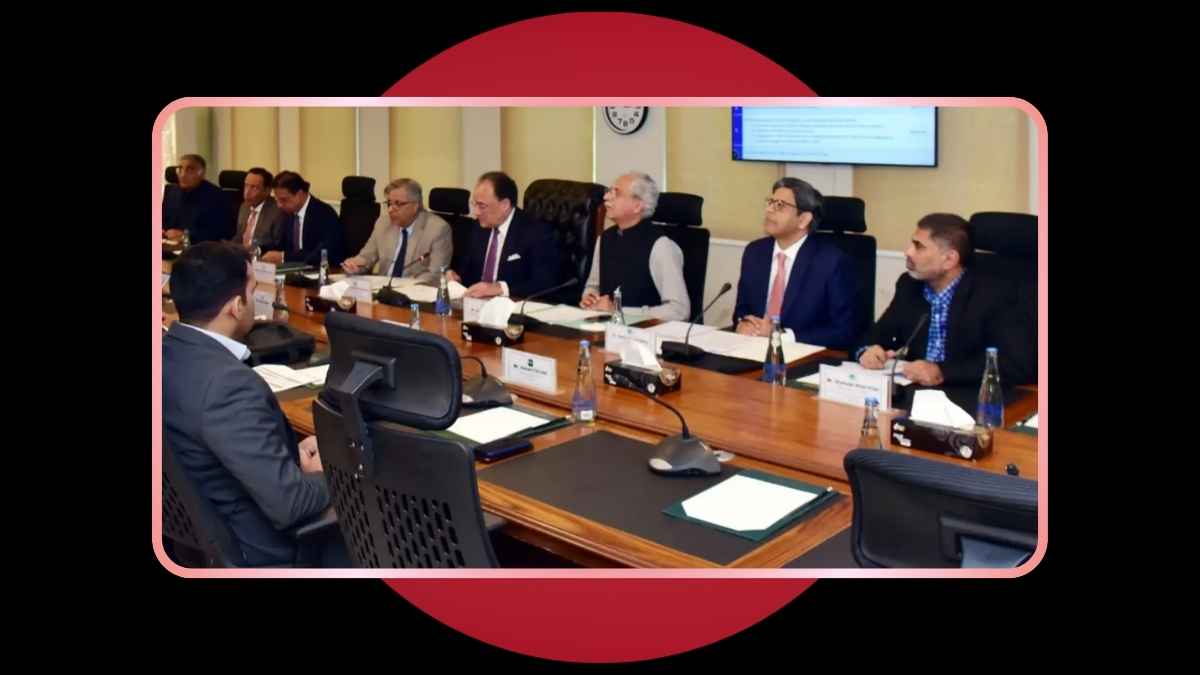
At meetings in Bangkok, Aurangzeb also discussed economic stabilisation and structural reforms with IMF First Deputy Managing Director Dan Katz. The Finance Ministry said both sides acknowledged improvements in fiscal performance, foreign exchange reserves, inflation and external-sector stability following the recent staff-level agreement.
SOE Privatization and Investor Confidence
Pakistan’s reform agenda includes privatisation of state-owned entities and greater private-sector participation to improve efficiency, attract investment and reduce the government’s financial burden. Aurangzeb has also highlighted investment opportunities and efforts to broaden access to domestic and international financing.
The government’s ability to sustain these reforms will remain important for maintaining investor confidence, meeting IMF commitments and protecting economic stability amid external risks, including volatile energy prices and geopolitical tensions.